Finding a reliable tree removal team in Sydney suburbs is mostly about safety, legality, and clear communication. The best operators make it easy to verify credentials, explain risk, and provide a written scope before they touch a saw.
This guide shows what to check, what to ask, and how to compare quotes so they can book with confidence.
What counts as “reliable” tree removal in Sydney suburbs?
Reliable tree removal near me services mean they manage risk properly, follow local rules, and leave the site safe and tidy. They should have appropriate insurance, trained staff, the right equipment, and a process that protects nearby homes, fences, footpaths, and power lines. To better understand what to expect from a professional and dependable service provider, learn more about expert tree removal solutions in Sydney.
They should also be upfront about what is included, what is excluded, and what might change the price on the day.
How can they shortlist local tree removal services quickly?
They can start with local searches and then narrow it to businesses that clearly serve their suburb and surrounding areas. A good shortlist usually comes from three places: Google Business Profiles, local community recommendations, and professional directories.
They should look for operators who list a physical service area, show real project photos, and provide a landline or consistent contact details, not just a mobile number and a generic form. Learn more what services tree loppers Sydney typically offer.
What licences and qualifications should they look for?
They should look for evidence of arborist training and industry competency, especially if the job is complex or close to structures. In practice, reliable businesses often mention qualifications such as a certified arborist on staff, climbing and rigging competencies, and experience with controlled dismantles.
If the job involves cranes, elevated work platforms, or work near power lines, they should ask who performs that work and what tickets or accreditations those operators hold.
How do they confirm insurance is actually valid?
They should ask for a current certificate of currency for public liability insurance and, if workers are on site, employers’ liability insurance. The document should show the business name, the policy dates, and the cover amount.
They should also check that the name matches the quote and invoice details. If the paperwork looks generic, expired, or mismatched, it is safer to move on.
Do they need council approval to remove a tree in Sydney?
Sometimes, yes. Many Sydney councils have rules covering tree removal, pruning, and protected vegetation, and penalties can apply if they remove a regulated tree without approval.
They should contact their local council or check the council website for tree preservation controls, exemptions, and application steps. A reliable tree removal service will usually flag this early and may help with paperwork, but they should not rely on verbal assurances alone.
What questions should they ask before accepting a quote?
They should ask questions that uncover safety planning, scope, and accountability, you can also checkout information on managing risks associated with tree trimming and removal work on https://www.safeworkaustralia.gov.au/doc/guide-managing-risks-tree-work. Good operators answer clearly and put it in writing.
Key questions to ask:
- What exactly is included: removal, stump grinding, green waste removal, timber stacking, raking, and clean-up?
- How will they access the tree, and what equipment will be used?
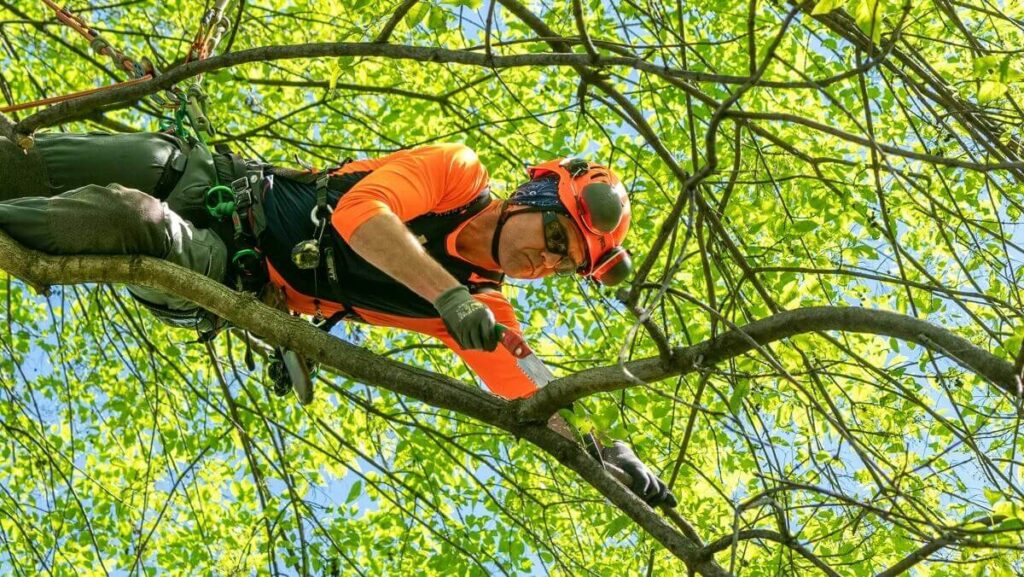
- Will they use ropes and rigging to prevent damage to fences, roofs, and gardens?
- Who is responsible for checking council requirements?
- What happens if they find decay, hollows, or unstable limbs mid-job?
- Can they provide recent local references for similar work?
How can they spot red flags in reviews and marketing?
They should look for patterns, not perfect star ratings. One or two bad reviews are less important than repeated complaints about property damage, poor communication, missed appointments, or surprise charges.
Red flags include:
- Lots of vague reviews with no suburb names or job details
- No photos of real jobs, only stock images
- Pressure to “book today for a discount”
- Refusal to provide insurance certificates
- No written quote, only a price over the phone without a site visit
Why does a site inspection matter for accurate pricing?
A proper inspection helps avoid surprises. Tree size, lean, decay, access, power lines, drop zones, and what they want done with waste all affect cost and safety.
They should be cautious of anyone who quotes a firm price without seeing the tree, unless the job is genuinely simple and they have clear photos, measurements, and access details.
What should a written quote include?
A reliable quote reads like a scope of work, not a one-line price. It should say what they will do, what they will remove, and what they will protect.
They should expect:
- Tree location and identification (for example, “rear yard gum near boundary fence”)
- Method (fell whole, sectional dismantle, crane assist)
- Inclusions: waste removal, stump grinding depth, site clean-up
- Exclusions: landscaping repairs, fence repairs, council fees
- Timing and duration
- Total price and VAT details
- Payment terms and cancellation policy
How do they compare quotes without choosing the cheapest?
They should compare scope first, then price. One quote might include stump grinding and full green waste removal, while another might leave a stump and a pile of logs.
A fair comparison checklist:
- Same scope and disposal method across all quotes
- Same access assumptions (gate width, driveway use, neighbour access)
- Clear statement about stump grinding and depth
- Clear clean-up standard, including sawdust and leaf litter
- Risk factors listed, especially near pools, sheds, and power
What safety practices should they expect on the day?
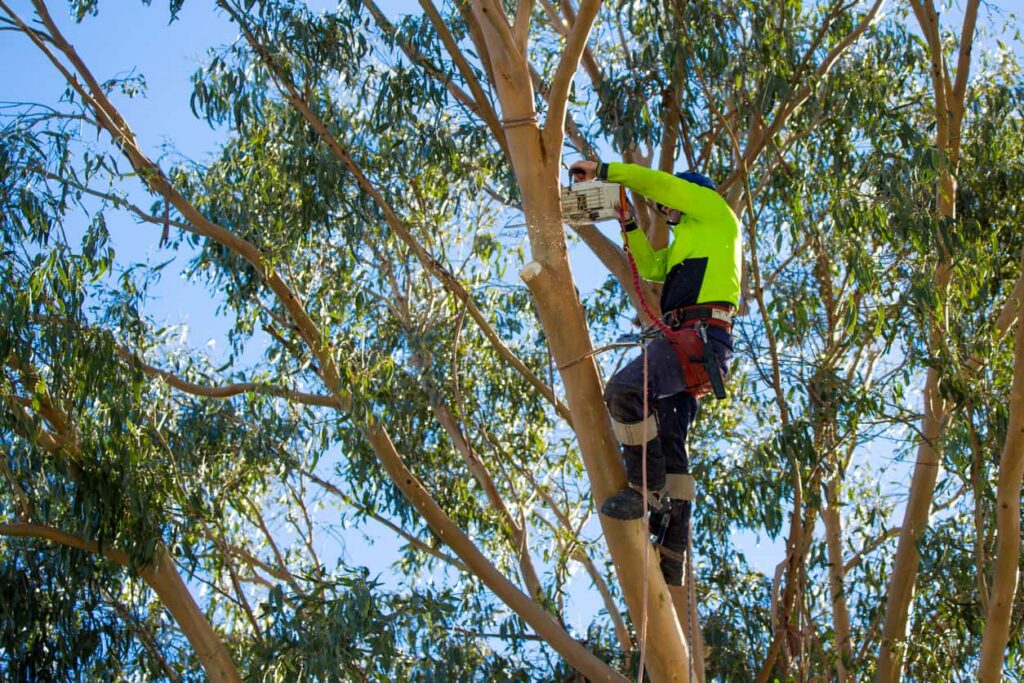
They should expect a safety-first setup. That means a clear plan, proper PPE, controlled rigging, and protection for nearby property.
On the day, reliable crews typically:
- Set exclusion zones and keep bystanders away
- Use ropes, rigging, and lowering techniques where needed
- Protect lawns, paving, and garden beds if heavy gear is used
- Communicate before major cuts and when moving large sections
- Clean up thoroughly and confirm the job is complete before leaving
How should they handle trees near neighbours, fences, or powerlines?
They should treat these as higher-risk jobs. If branches overhang a neighbour, they may need permission to access the neighbour’s property, and they should avoid conflicts by discussing timing and access early.
For powerlines, they should not accept casual assurances. Work near electrical assets may require coordination with the electricity network or specialist line-clearance contractors, depending on distance and risk.
What is a sensible final checklist before they book?
They should book only when they have clarity on legality, insurance, and scope. A reliable operator will not be offended by basic checks.
Final checklist:
- Council rules checked for the address
- Current insurance certificates received
- Written quote with clear inclusions and exclusions
- Start date and arrival window confirmed
- Waste and stump plan agreed in writing
- Access arrangements confirmed, including gates, parking, and pets
When they follow these steps, they usually end up with a safer job, fewer disputes, and a cleaner finish, which is exactly what “reliable tree removal near me” should mean in Sydney suburbs.
FAQs (Frequently Asked Questions)
What defines a reliable tree removal service in Sydney suburbs?
A reliable tree removal service in Sydney suburbs properly manages risks, adheres to local regulations, and ensures the site is left safe and tidy. They possess appropriate insurance, employ trained staff with the right equipment, and follow processes that protect nearby homes, fences, footpaths, and power lines. They also clearly communicate inclusions, exclusions, and potential price changes before starting work.
How can I quickly shortlist trustworthy local tree removal companies?
Start by searching local directories such as Google Business Profiles, community recommendations, and professional listings. Look for operators who specify their physical service area, showcase real project photos, and provide consistent contact details like a landline or direct email rather than just a mobile number or generic form.
Which licences and qualifications should I verify before hiring a tree removal team?
Check for arborist training and industry competency certificates. Reliable providers often have certified arborists on staff with skills in climbing and rigging. For complex jobs involving cranes, elevated platforms, or proximity to power lines, confirm the operators hold relevant tickets or accreditations for those tasks.
How do I confirm that a tree removal company’s insurance is valid?
Request a current certificate of currency for public liability insurance and employers’ liability insurance if workers are involved. The certificate should display the business name matching the quote/invoice details, policy dates, and coverage amounts. Be cautious if documents appear generic, expired, or mismatched.
Is council approval required to remove a tree in Sydney suburbs?
In many cases, yes. Numerous Sydney councils regulate tree removal, pruning, and protected vegetation with penalties for unauthorised work. Check your local council’s website or contact them directly to understand preservation controls and application procedures. A reputable tree removal service will usually advise on this early and assist with any necessary paperwork.
What key questions should I ask before accepting a tree removal quote?
Ask about the exact scope including removal methods, stump grinding depth, waste disposal, timber stacking, raking, and clean-up services. Inquire how they will access the tree and what equipment will be used. Confirm use of ropes or rigging to protect property. Clarify responsibility for council approvals, procedures if decay or unstable limbs are found mid-job, and request recent local references for similar work.
