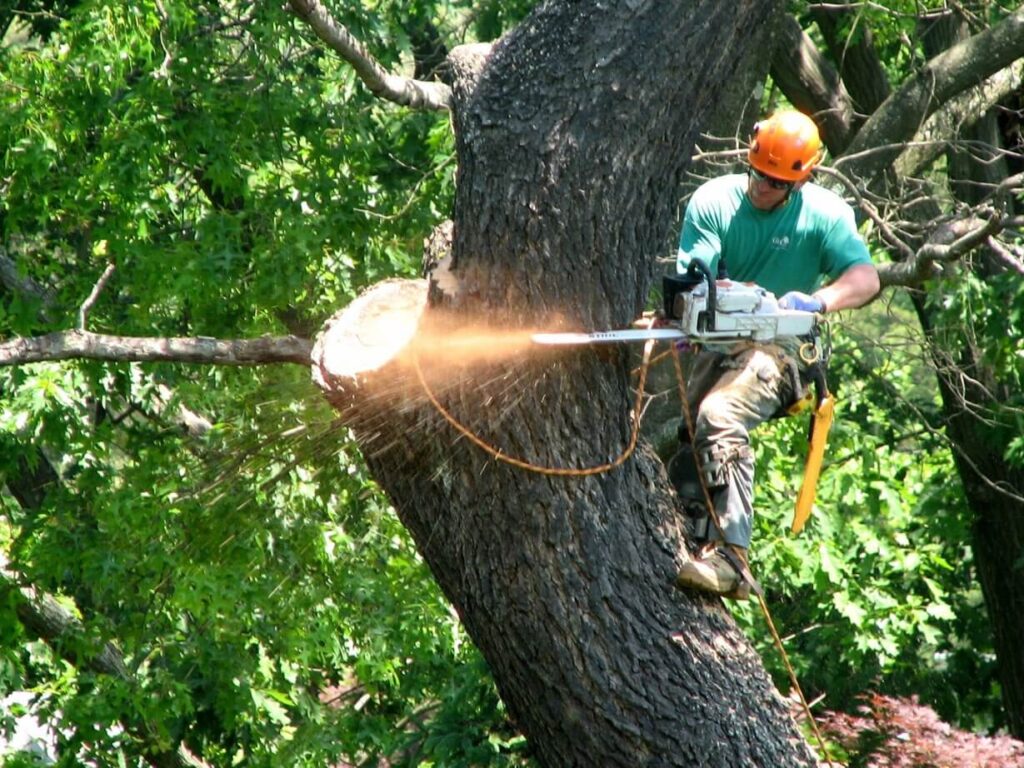
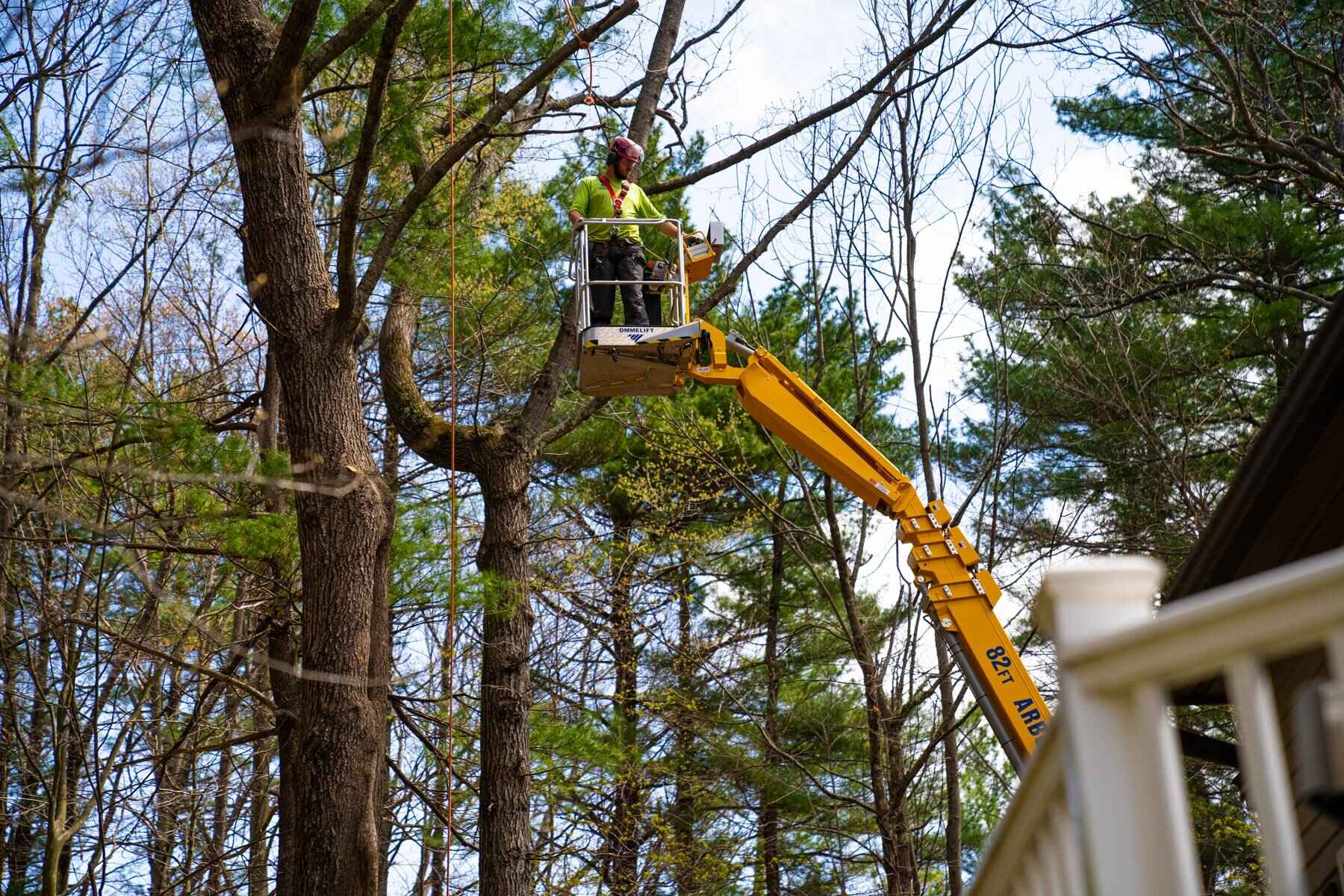
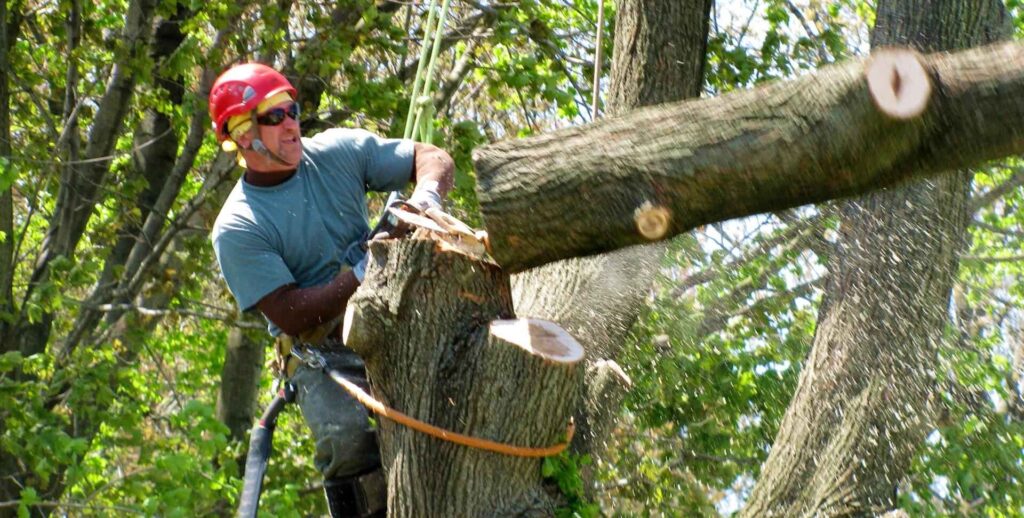
In the wake of a humid summer or a sudden Sydney East Coast Low, the majestic Eucalyptus—our iconic gum tree—can transform from a backyard centerpiece into a significant liability. While these trees are evolutionarily designed to shed limbs, internal decay often hides behind a facade of healthy green leaves.
Identifying whether a tree is structurally sound or a “widow-maker” waiting for the next gust of wind is critical for Sydney homeowners. This guide breaks down the clinical signs of internal decay, ensuring you can distinguish between natural shedding and high-risk structural failure.
Sydney’s unique climate, characterized by sandy soils in the east and heavy clays in the west, creates specific stressors for Eucalyptus species. A “dangerous” tree isn’t just one that looks dead; often, the most hazardous trees are those with full canopies but compromised root systems or hollowed trunks.
Internal decay is usually caused by wood-decay fungi that break down lignin and cellulose, the structural “rebar” of the tree. When the internal heartwood rots, the tree loses its ability to withstand the lateral load of high winds, leading to catastrophic failure.
1. Fungal Brackets and Mushrooms at the Base
One of the most definitive signs of internal decay is the presence of fungal brackets (also known as conks) or mushrooms growing on the trunk or around the root flare.
What Fungal Growth Signals
Fungi are the “fruiting bodies” of a much larger underground network of mycelium already digesting the tree’s interior. If you see shelf-like growths attached to the bark, the decay is likely advanced.
Location Matters: Brackets found near the base suggest root rot or butt rot.
Species Specifics: In Sydney, fungi like Ganoderma are common and indicate that the structural integrity of the lower trunk is actively being compromised.
2. Soil Heave and Root Plate Movement
The root plate is the anchor of your gum tree. Soil heave occurs when the tree’s roots are lifting out of the ground, often visible as cracked soil or mounded earth on one side of the tree.
How to Spot Root Instability
The Leaning Factor: A tree that has always grown at an angle is usually safe as it has grown “tension wood” to compensate. However, a tree that has recently started to lean is a top-tier emergency.
Exposed Roots: Look for “snapped” roots or fresh soil being pushed up. This indicates the leverage of the canopy is pulling the roots out of the waterlogged Sydney soil.
3. Deep Bark Fissures and Vertical Cracks
While gum trees naturally shed ribbons of bark, deep vertical cracks that penetrate through the cambium layer into the wood are red flags.
Internal Decay vs. Natural Shedding
Feature
Natural Shedding
Dangerous Crack
Depth
Surface level only
Extends deep into the wood
Direction
Random patches
Often vertical or “spiral”
Indicators
Fresh, smooth bark underneath
Dark ooze, sawdust, or hollow sound
Two cracks appearing on opposite sides of the trunk at the same height often suggest the trunk is splitting internally, a condition that rarely survives a storm.
4. Hollows and Cavities (The “Hollow” Sound)
Large hollows are common in older Australian gums and provide vital habitat for local wildlife. However, from a safety perspective, a tree must maintain a specific ratio of healthy wood to hollow space.
The Rule of Thumb for Wall Thickness
Arborists use the formula $t/R > 0.3$, where $t$ is the thickness of the sound wood and $R$ is the radius of the stem. If the outer shell of healthy wood is less than 30% of the total radius, the risk of the tree buckling increases exponentially.
Professional Tip: Tap the trunk with a rubber mallet. A sharp “thwack” suggests solid wood, while a dull “thud” or drum-like ring indicates a significant internal void.
5. Dead or “Cracked” Limbs in the Upper Canopy
The term “widow-maker” specifically refers to large, dead branches hung up in the canopy. Eucalyptus trees are notorious for Summer Branch Drop, where even healthy-looking limbs fail during extreme heat or sudden moisture changes.
Visual Cues in the Canopy
V-Shaped Crotches: Where two major stems join in a tight “V” shape rather than a wide “U,” they often have “included bark.” This acts as a wedge, slowly pushing the stems apart until one fails.
Dieback: If the very tips of the highest branches are leafless, the tree is struggling to transport water, often due to severe root decay.
Best Practices for Sydney Property Owners
To ensure long-term safety and tree health, follow this preventative framework:
Post-Storm Inspections: Always walk your property after a Sydney storm to look for new cracks or “hangers” (broken branches caught in the tree).
Mulch Matters: Keep lawnmowers away from the trunk. Nicks in the bark are entry points for the decay-causing fungi mentioned above.
Avoid Topping: Never “top” a gum tree. This creates massive entry wounds for rot and results in weak “epicormic” regrowth that is prone to snapping.
Common Mistakes to Avoid
Ignoring “Bleeding”: Dark, sticky sap (kino) oozing from the trunk isn’t just “sap”—it’s often a stress response to Boring Beetles or fungal infection.
DIY Tree Surgery: Attempting to prune large Eucalyptus limbs without professional rigging is extremely dangerous due to the weight and unpredictable tension of the wood.
Covering the Base: Building retaining walls or piling soil against the trunk suffocates the roots and promotes rapid butt rot.
Frequently Asked Questions
What is the most dangerous gum tree in Sydney?
While all large trees carry risks, the Eucalyptus tereticornis (Forest Red Gum) and Corymbia maculata (Spotted Gum) are often monitored closely due to their massive size and potential for limb drop in urban environments.
Does a leaning tree always need to be removed?
No. Many gum trees grow at an angle to find sunlight. The danger arises only if the lean is new or if the soil at the base is lifting (soil heave).
How can I tell if a tree is hollow without cutting it?
Professional arborists use “Resistograph” testing—a tiny drill bit that measures wood density—or Sonic Tomography to create a “map” of the internal decay without harming the tree.
Can a decaying gum tree be saved?
Sometimes. If the decay is localized, weight reduction pruning or cabling can stabilize the tree. However, if root rot is present, removal is usually the only safe option.
Why do gum trees drop limbs in summer?
Known as Summer Branch Drop, this occurs when the tree is under moisture stress. The internal pressure changes, and the tree “sacrifices” a limb to survive, often without warning on a calm day.
Conclusion: Act Before the Storm
Identifying the 5 signs your gum tree is dangerous—fungal brackets, soil heave, deep cracks, hollows, and canopy dieback—is the first step in protecting your home. In Sydney’s volatile climate, “wait and see” is a high-risk strategy.
If you’ve spotted any of these visual cues, the next step is a professional assessment. A qualified arborist can provide a Level 5 Arboricultural Report, giving you a definitive answer on whether your tree requires pruning, monitoring, or removal.
Would you like me to draft a checklist you can use for your next backyard tree safety walk?
Internal Linking & Authority Suggestions
Internal Link Suggestions (Anchor Text):
“Emergency tree removal Sydney”
“Arborist reports for council approval”
“Pruning Eucalyptus for storm seasoning”
“Understanding Sydney tree preservation orders”
Authoritative External References:
Standards Australia: AS 4373-2007 (Pruning of Amenity Trees)
Trees enhance property value, provide essential shade, and contribute significantly to environmental health through oxygen production and wildlife habitat. These silent giants beautify landscapes whilst filtering air pollutants and reducing urban heat islands.
Despite their benefits, trees cannot signal distress when structural problems or disease threaten their stability. Property owners often struggle to distinguish between normal seasonal changes and genuine tree safety concerns that demand urgent attention. A healthy-looking canopy may conceal serious internal decay, whilst subtle trunk cracks can indicate imminent failure.
Understanding tree lopping signs becomes critical when a tree’s condition deteriorates to the point where it endangers people, buildings, or infrastructure. Professional tree health assessment identifies warning indicators that untrained eyes frequently miss.
This guide examines seven critical signs that indicate your tree requires immediate professional intervention:
Structural defects like trunk splits and cracks
Fungal growth and visible decay
Sudden leaning following weather events
Root damage and exposure
Dead or dying canopy sections
Repeated branch failures
Pest infestations affecting structural integrity
Recognising these 7 Signs Your Tree Needs Immediate Tree Lopping enables property owners to act swiftly, preventing potential accidents and costly property damage through timely arborist consultation.
What Are The Signs That A Tree Needs Immediate Lopping?
Do cracks in the trunk indicate serious problems?
Cracks in the tree trunk are a sign that the tree is at risk of falling and needs immediate attention. These splits, whether vertical, horizontal, or spiral, go deep into the wood and create weak points where the tree could break during strong winds or under its own weight. If you notice a crack wider than 5mm or extending more than one-third of the trunk’s circumference, it is crucial to contact professional tree lopping services to assess and address the issue promptly.
The location and pattern of the cracks can also reveal different risks. Vertical splits often occur due to frost damage or rapid growth, while horizontal cracks usually indicate internal decay spreading outward. Spiral cracks suggest that the tree has twisted under stress, compromising its ability to bear loads evenly.
How do trunk defects affect tree stability?
Splits and cracks weaken the tree’s internal support system, similar to how fractures in a building’s foundation can cause instability. The wood fibres that normally distribute weight and resist bending forces become disconnected, leaving the tree vulnerable to collapse. Tree stability deteriorates quickly once these defects appear, especially in mature trees with heavy canopies.
Internal decay often accompanies visible cracks, creating hollow sections that further reduce the tree’s ability to bear weight. Trees may look healthy from a distance while their cores have rotted away, leaving only a thin layer of living tissue. This hidden damage makes it essential to have a professional inspect the tree—arborists use resistance drills and sonic tomography to map internal damage that cannot be seen with the naked eye.
What causes trees to lean suddenly?
Leaning trees after storms occur when root systems fail to secure the trunk properly. Saturated soil loses its grip on roots during heavy rainfall, allowing strong winds to push trees off-centre. If you notice a lean exceeding 15 degrees from vertical, especially when it appears suddenly, it indicates that the root plate has partially lifted or sheared away from surrounding soil.
Soil disturbance effects from construction, excavation, or landscaping often trigger sudden leaning. Trenching within a tree’s critical root zone severs major anchoring roots, while soil compaction from heavy machinery crushes fine feeder roots. Trees may lean months after the initial disturbance as damaged roots gradually die back.
Erosion creates similar instability by washing away soil beneath the root system.
How Do Fungal Growth, Decay, Or Pest Infestations Indicate The Need For Urgent Tree Care?
Visible fungi growing on your tree’s trunk or branches indicates serious internal decay that requires immediate professional attention. Mushrooms, conks, or bracket fungi sprouting from the bark signal that the tree has been compromised from within, often for months or years before the external signs appear.
What Does Fungal Growth on Trees Reveal?
Fungal growth on trees acts as a warning system for hidden structural problems. The fruiting bodies you see represent only a small portion of the organism—extensive networks of fungal threads have already colonised the wood inside. These fungi feed on the tree’s structural tissues, breaking down cellulose and lignin that provide strength and rigidity.
Different fungi indicate varying levels of concern:
Bracket fungi suggest advanced decay in major structural sections
Ganoderma species indicate severe root and butt rot
Inonotus fungi typically colonise heartwood, weakening central support
The presence of any fungal fruiting body warrants immediate arborist inspection, as the visible growth represents advanced colonisation.
How Does Internal Rot Compromise Tree Stability?
Internal rot destroys the tree’s load-bearing capacity whilst leaving the outer shell intact, creating a deceptive appearance of health. The heartwood—the tree’s central structural core—loses density and strength as decay organisms consume it. Trees may appear healthy externally yet possess hollow interiors that cannot withstand wind loads or their own weight.
Tree decay symptoms often remain hidden until failure occurs. Sound wood transforms into soft, spongy, or crumbly material that provides no structural support. A tree with 50% internal decay may still produce leaves and appear alive, yet possess insufficient strength to remain upright during storms or high winds.
Advanced decay creates what arborists call “shell trees”—specimens with thin walls of living tissue surrounding extensive hollow cavities. These trees become unpredictable hazards, capable of sudden catastrophic failure without warning.
Which Pest Infestations Demand Immediate Action?
Pest infestations.
Why Is Sudden Leaning After Weather Events, Root Damage, Or Exposed Roots An Indication Of Tree Health Issues?
Sudden leaning after storms signals that a tree’s root system has been compromised, creating an immediate safety hazard. When a previously upright tree begins to tilt noticeably—especially following severe weather—the root plate has likely shifted or torn away from the soil, destabilising the entire structure.
What Causes Trees to Lean Suddenly?
Leaning trees after storms typically result from saturated soil conditions combined with high winds that uproot or partially uproot the tree. Heavy rainfall softens the ground, reducing the grip roots have on surrounding soil. Wind forces then push against the canopy, creating leverage that can tear roots from their anchoring position.
Soil erosion around the base gradually exposes the root system, removing the mechanical support that keeps the tree vertical. This process accelerates during heavy rains when water washes away protective soil layers. Construction activities, trenching, or grading near trees can sever major roots, eliminating crucial structural support.
How Does Root Damage Compromise Tree Stability?
Root damage indicators include visible soil heaving around the trunk base, where the ground appears lifted or cracked in a circular pattern. This heaving reveals that roots are pulling away from their original position, creating gaps between the root plate and surrounding earth.
Damaged roots cannot perform their dual function of anchoring the tree and absorbing water and nutrients. When major structural roots are severed or decay, the tree loses both physical stability and its ability to sustain healthy growth. The compromised anchorage means the tree can topple with minimal force.
Trees with exposed roots face multiple threats beyond immediate structural concerns:
Desiccation: Roots dry out when no longer protected by soil cover
Physical damage: Exposed roots are vulnerable to lawn equipment and foot traffic
Nutrient deficiency: Damaged roots cannot efficiently transport minerals and water to the canopy
Infection pathways: Open wounds on roots invite fungal pathogens and decay organisms
When Does Leaning Become Critical?
A tree leaning more than 15 degrees from vertical after a weather event requires immediate professional assessment. The angle itself matters less than
What Risks Do Dead Canopy, Repeated Branch Failures, Or Proximity To Buildings And Infrastructure Pose To Safety And Property?
Can a dying canopy indicate serious tree health problems? Large sections of dead leaves or bare branches signal that a tree’s vascular system has failed to transport water and nutrients effectively. Dead canopy symptoms appear as brown, brittle foliage that remains attached during the growing season, or entire sections of the crown that fail to produce leaves at all.
These warning signs of dying branches often start in the upper canopy before spreading downwards. When more than 25% of a tree’s crown shows dieback, the tree has entered a critical decline phase. The dead wood becomes increasingly brittle and unpredictable, losing the flexibility that allows healthy branches to bend rather than break under stress.
How do repeated branch failures signal imminent danger? Trees that drop limbs regularly demonstrate progressive structural weakness that worsens with each incident. A single branch drop might result from storm damage, but repeated failures indicate systemic problems within the tree’s architecture or internal decay that compromises wood strength.
Branch drop risks escalate dramatically when limbs exceed 10 centimetres in diameter. These substantial failures can:
Crush vehicles parked beneath the canopy
Damage roofing, guttering, and building facades
Strike pedestrians or children playing in the garden
Sever powerlines and cause electrical hazards
Block driveways and access routes during emergencies
The frequency of failures matters as much as their size. A tree shedding multiple small branches monthly reveals ongoing deterioration that will eventually affect larger structural limbs.
Why does proximity to structures amplify these risks? Trees positioned within falling distance of homes, sheds, fences, or powerlines transform health issues into immediate safety threats. A dying branch overhanging a conservatory poses exponentially greater risk than the same branch above an open lawn.
Target zones—the areas where falling debris would land—determine urgency levels for intervention. High-traffic locations such as patios, driveways, footpaths, and children’s play areas require immediate assessment when trees display dead canopy symptoms. The combination of structural weakness and proximity creates scenarios where property damage or personal injury becomes not just possible but probable.
Trees near infrastructure face additional complications. Roots may
Why Is Professional Assessment Critical Before Any Tree Lopping?
Can untrained eyes accurately diagnose tree health problems? No—many serious tree defects remain hidden beneath bark or underground, making certified arborist inspections essential for accurate risk assessment. Attempting tree work without professional evaluation often leads to incomplete solutions that fail to address underlying structural issues.
Trained arborists possess specialised knowledge that extends far beyond surface-level observations. Their diagnostic process examines:
Internal decay patterns using resistance drilling or sonic tomography
Root plate stability through soil excavation and root collar inspection
Cambium layer health by carefully removing bark samples
Vascular system function by analysing branch dieback patterns
Load distribution across the canopy and major limbs
These professionals identify problems invisible to property owners. A tree appearing healthy may harbour advanced heart rot, whilst seemingly minor cracks could indicate catastrophic structural failure risks. Certified arborist inspections reveal the full extent of damage before work begins.
However, it’s important to note that some initial assessments can be conducted by property owners themselves. Simple methods such as a health check can provide valuable insights into the condition of a tree before involving professionals.
Risk assessment requires understanding tree biology and physics. Arborists calculate load factors, wind resistance, and failure probabilities based on species characteristics, growth patterns, and environmental stressors. They determine whether selective pruning might preserve a valuable tree or if complete removal becomes necessary for safety.
Documentation forms another critical component of professional assessment. Arborists create detailed reports with photographs, measurements, and specific recommendations. This documentation proves invaluable for insurance claims, council permits, and legal compliance with local tree preservation orders.
The equipment used during certified arborist inspections provides data impossible to gather through casual observation. Resistograph readings measure wood density, whilst increment borers extract core samples revealing growth rates and internal conditions. Thermal imaging detects moisture accumulation indicating decay pockets.
Misdiagnosis carries severe consequences. Removing healthy wood weakens trees unnecessarily, whilst leaving compromised sections creates ongoing hazards. Professional assessment ensures interventions target actual problems rather than symptoms, preserving tree health whilst eliminating genuine risks to people and property.
Conclusion
Knowing the 7 Signs Your Tree Needs Immediate Tree Lopping empowers property owners to act before minor issues escalate into dangerous situations. Trees with large trunk cracks, fungal decay, sudden leaning, root damage, dead canopies, repeated branch failures, or pest infestations require urgent professional evaluation.
The benefits of detecting tree risks early go beyond just preventing property damage. Acting quickly also protects family members, visitors, and neighbours from falling branches or a complete tree collapse. By keeping an eye on your trees, you can reduce liability concerns and maintain the beauty and ecological value they bring to your landscape.
When you notice any signs of trouble with your trees, it’s important to consult experienced arborists right away. These certified professionals have the knowledge to accurately diagnose problems and recommend appropriate solutions. They can tell whether a tree needs selective pruning, structural support systems, or even removal—something that may not be obvious to someone without training.
Property owners can also benefit from building relationships with qualified tree care specialists before emergencies happen. Regular inspections can help identify issues while there are still viable and cost-effective treatment options available. This proactive approach ensures that your trees stay healthy and continue to enhance your property’s value instead of becoming a threat.
Here are some key actions you can take as a responsible tree owner:
Schedule annual inspections with certified arborists
Document any changes in your trees’ appearance after severe weather events
Address warning signs immediately instead of putting off decisions
Avoid attempting DIY lopping as it may increase hazards
Investing in professional tree care will pay off in the long run by making your properties safer, creating healthier landscapes, and giving you peace of mind. Remember that when trees show distress signals, they are communicating urgent needs. By responding promptly with expert guidance, you can protect everything you hold dear while also preserving these essential natural resources whenever possible.
Removing a tree on your property can seem like a manageable weekend project. However, DIY tree removal requires more than a chainsaw and determination—it demands planning, safety awareness, and the right tools. Whether you’re dealing with a small sapling or a large, dying tree, understanding the process is essential for avoiding injuries and property damage.
This complete guide explores when DIY tree removal might be appropriate, practical safety measures, the most common mistakes homeowners make, and when it’s best to call a professional arborist.
When to Consider DIY Tree Removal
Not every tree removal requires hiring a professional. In certain cases, DIY removal can be a cost-effective and manageable option.
1. Small or Manageable Trees
If the tree is under 6 meters tall and located far from buildings, power lines, or fences, it may be safe to remove on your own. These smaller trees typically have thinner trunks and shallower root systems, making them easier to cut and handle.
2. Dead or Fallen Branches
You can safely remove dead limbs or fallen branches using pruning tools or small saws. These light maintenance tasks don’t require industrial equipment and can improve the appearance and safety of your yard.
3. Accessible Location
DIY removal is more feasible if the tree is in an open, flat area where it won’t damage nearby structures. Avoid tackling trees on steep slopes or near utility lines, as these conditions increase risk significantly.
Essential Safety Tips for DIY Tree Removal
Tree removal can be hazardous if not done correctly. According to arborist safety organizations, thousands of homeowners suffer injuries each year from chainsaws and falling trees. Before you start, ensure you’re fully prepared with the right protective gear, equipment, and plan.
1. Wear Proper Safety Gear
Always wear:
A hard hat or helmet
Safety goggles
Cut-resistant gloves
Long sleeves and pants
Steel-toe boots
Ear protection
This protective clothing can prevent severe injuries from debris, chainsaws, and falling branches.
2. Inspect the Tree
Before cutting, inspect the tree’s condition. Look for signs of decay, hollow areas, fungus, or cracks in the trunk. These weaknesses can cause the tree to fall unpredictably, making it unsafe for DIY removal.
3. Plan an Escape Route
Trees rarely fall perfectly where you expect. Always plan at least two escape routes opposite the expected fall direction. Clear the area of children, pets, and obstacles before cutting.
4. Use the Right Tools
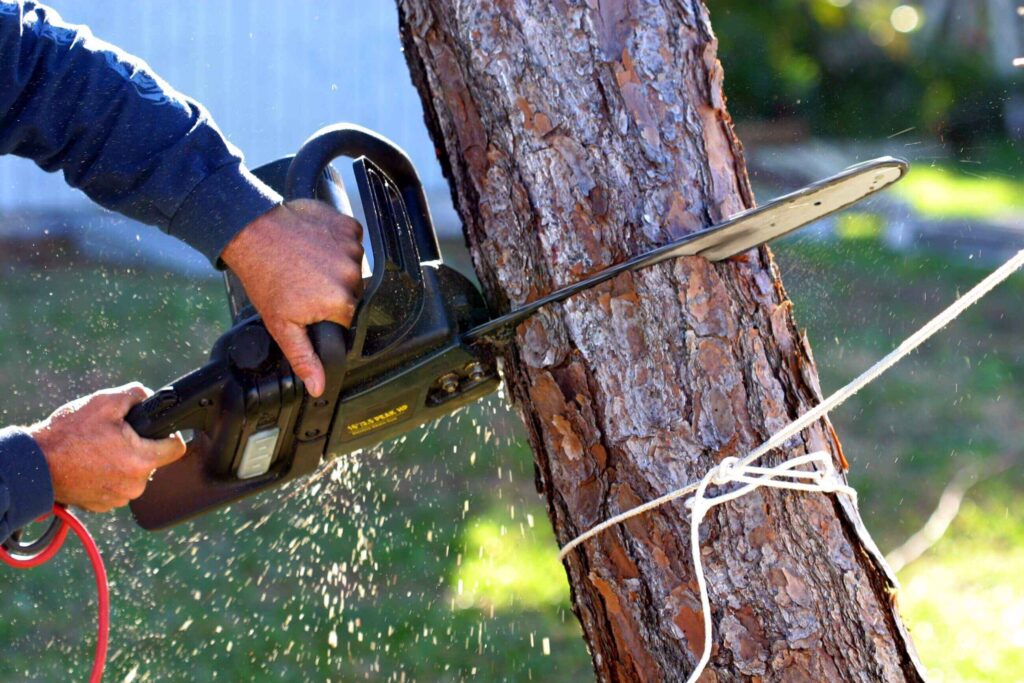
For small trees, use a hand saw or chainsaw designed for home use. Ensure your chainsaw is sharp, filled with oil, and functioning properly. You may also need wedges, ropes, and a sturdy ladder for cutting higher branches.
5. Work with a Partner
Tree removal should never be a solo job. Have a partner nearby to assist with spotting, holding ropes, and responding in case of emergency.
Common DIY Tree Removal Mistakes (and How to Avoid Them)
Even well-intentioned homeowners can make dangerous errors when cutting trees. Understanding these common mistakes helps you stay safe and achieve better results.
1. Misjudging the Fall Direction
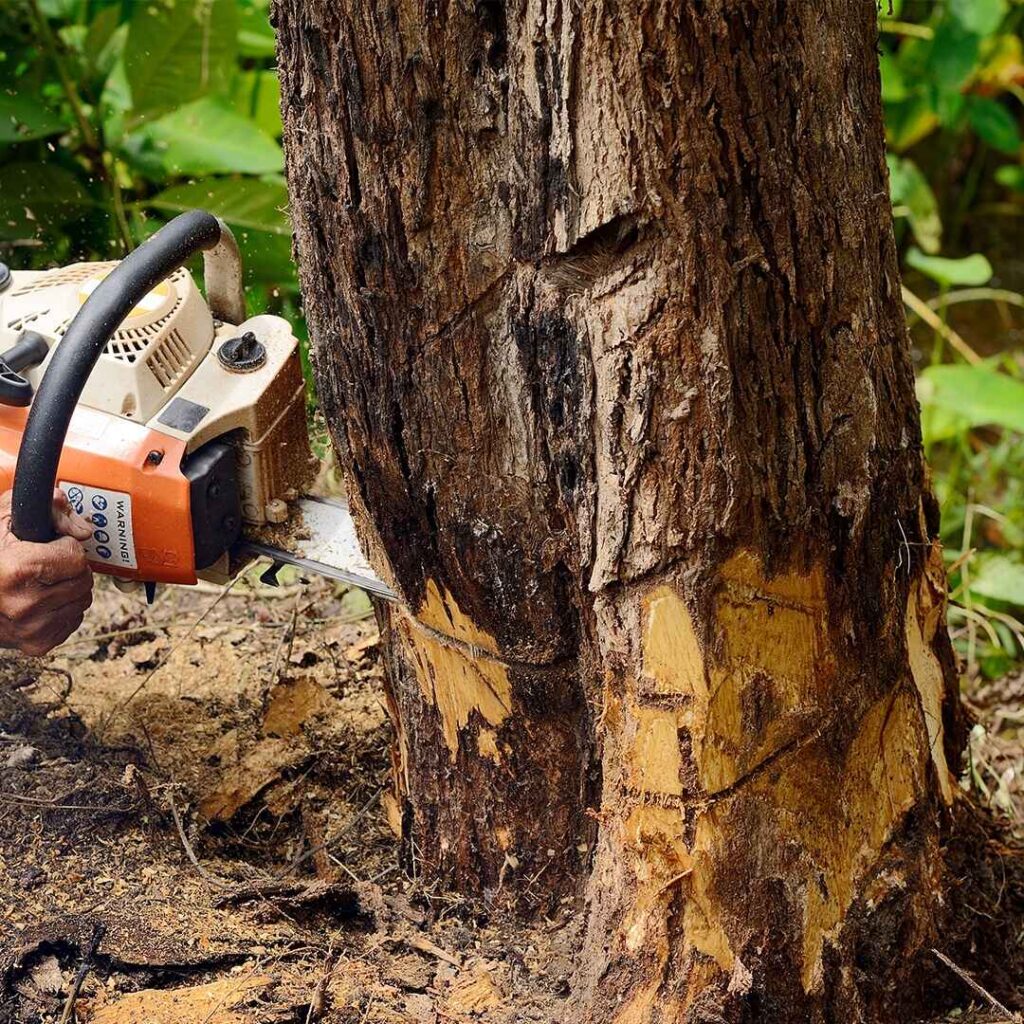
A common mistake is miscalculating the lean or weight distribution of the tree. Always assess the natural tilt and wind direction before cutting. Make a small notch cut on the side facing the fall direction to control the descent.
2. Cutting Too High or Too Low
Incorrect cutting height can cause the trunk to split or kick back. The main cut should be about knee height to maintain stability. Avoid cutting directly at ground level until the main portion of the tree has fallen.
3. Ignoring Power Lines
One of the most dangerous mistakes is working near overhead wires. Trees can conduct electricity, leading to fatal accidents. Never attempt to remove a tree near power lines—always contact your utility company or a professional arborist.
4. Using a Dull or Improper Chainsaw
A dull chainsaw can cause kickbacks, uneven cuts, and additional physical strain. Always sharpen your chainsaw blade before starting and use the appropriate size for the job.
5. Neglecting Weather Conditions
Wind, rain, or lightning can quickly turn a tree removal project into a disaster. Always check the weather forecast and work on clear, calm days with good visibility.
When to Hire a Professional Arborist
While DIY tree removal may save money upfront, it’s not always the safest or most effective choice. Hiring a professional arborist ensures the job is done correctly and safely.
1. Large or Dangerous Trees
If the tree is over 6–8 meters tall, leaning, diseased, or growing close to structures, it’s best to call professionals. Arborists use cranes, climbing gear, and controlled cutting techniques to remove trees without damage.
2. Emergency Tree Removal
After storms, trees can become unstable or partially uprooted. Attempting removal without expertise can be extremely hazardous. Professional emergency tree removal services can safely assess and handle the situation.
3. Insurance and Liability
Professional tree removal companies carry insurance coverage, protecting you from liability if accidents occur. Doing it yourself, however, means you’re responsible for any damage or injuries.
Post-Removal Care: Stump and Yard Maintenance
Tree removal doesn’t end once the trunk hits the ground. Proper post-removal care is vital for preventing regrowth, maintaining soil health, and restoring your landscape.
1. Stump Removal
A leftover stump can become a breeding ground for pests like termites and fungi. You can remove it by:
Grinding it down using a stump grinder.
Applying a stump removal chemical to accelerate decomposition.
Hiring professionals for complete stump extraction.
2. Cleanup and Debris Management
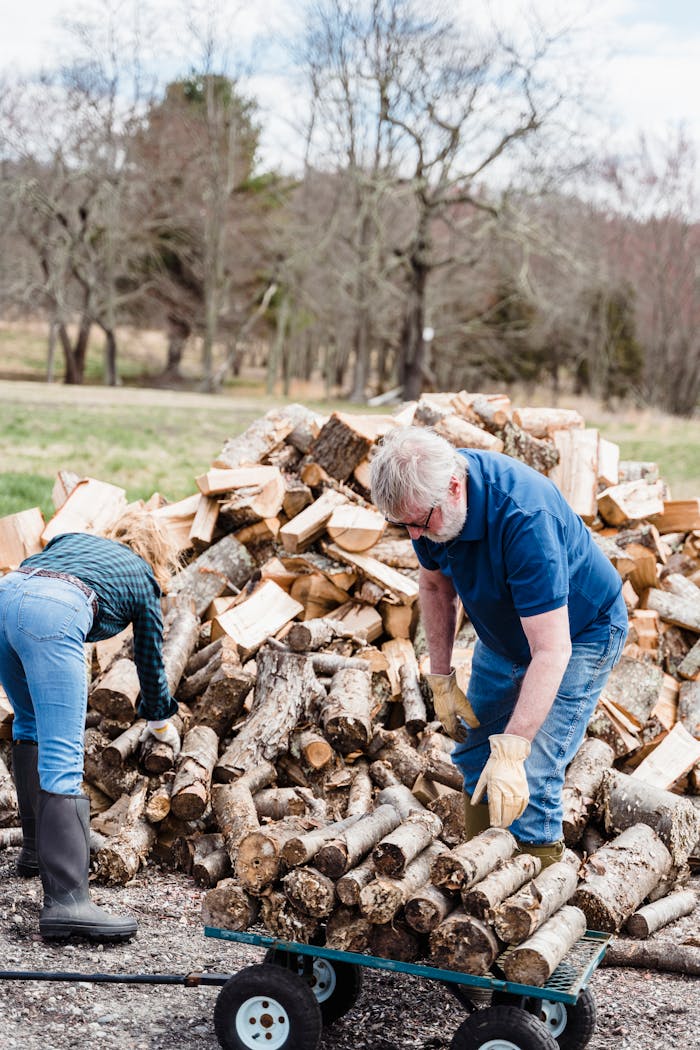
Collect all branches, leaves, and wood chips. Larger logs can be cut into firewood, while smaller debris can be composted or taken to a local green waste facility.
3. Soil and Lawn Restoration
After stump removal, fill the hole with topsoil and compost, then plant grass or new vegetation. This prevents erosion and improves the overall look of your yard.
Final Thoughts: Safety First in DIY Tree Removal
DIY tree removal can be rewarding for small projects, but safety should always come first. Understanding the tree’s structure, using the right tools, and planning each step carefully can help you complete the task successfully. However, if the tree poses any risk due to its size, location, or condition, hiring a professional arborist is always the safest and most cost-effective choice.
Whether you decide to go the DIY route or hire experts, proper preparation, equipment, and awareness will ensure your yard remains both beautiful and safe.
FAQS
Is it safe to remove a tree by myself?
DIY tree removal can be safe for small trees if you have the right tools and knowledge. However, large trees, those near power lines, or those with decay are best handled by professional arborists to avoid serious injury or property damage.
What equipment do I need for DIY tree removal?
Essential equipment includes safety goggles, gloves, a helmet, ropes, a sturdy ladder, and a chainsaw. Always inspect your tools before starting and never operate a chainsaw without proper training. Using protective gear and planning escape routes can help prevent accidents.
What are the most common mistakes in DIY tree removal?
Homeowners often underestimate tree weight, cut in the wrong direction, or forget to assess the tree’s lean and surroundings. These errors can lead to accidents or property damage. Proper planning and safety checks are crucial before starting any DIY tree removal project.
When should I hire a professional arborist instead of doing it myself?
Hire a professional if the tree is tall, leaning, diseased, or close to structures or power lines. Certified arborists have the training, insurance, and equipment to perform removals safely and efficiently without putting you or your property at risk.
Trees are more than just part of the landscape — they’re living, growing organisms that contribute to the environment, boost curb appeal, and even increase property value. But like anything that grows, they need regular maintenance. One of the most important — and often misunderstood — methods of tree maintenance is tree lopping.
In this guide, we’ll explain what tree lopping actually means, why it’s important for your trees and property, the benefits of hiring professionals, and the potential dangers of doing it wrong. Whether you’re a homeowner with an overgrown gum tree or just curious about proper tree care, this article will walk you through everything you need to know.
What Is Tree Lopping?
Tree lopping involves the cutting back of branches and limbs to control a tree’s shape, size, or overall appearance. It’s not just random chopping — when done correctly, it’s a strategic process focused on safety, aesthetics, and tree health.
Tree lopping typically includes:
Removing large, unwanted branches
Cutting back diseased or damaged limbs
Controlling a tree’s height or spread
Shaping the tree for symmetry or visual appeal
It differs from pruning, which is more selective and targets smaller parts of the tree for health reasons. Lopping is generally more aggressive and often used when a tree has grown too large for its location or poses a risk to people or property.
Why Tree Lopping Is Important for Tree Health
While some people see lopping as just a way to “trim the top,” it’s actually vital for maintaining healthy growth. Trees, like people, benefit from a little routine care. Here’s how:
1. Disease Management
Branches affected by fungus, rot, or insect infestation can spread illness to the entire tree. Lopping removes the infected parts early, giving the tree a better chance at recovery.
Strategically cutting back limbs encourages the tree to redirect nutrients and energy to stronger parts. This often results in more vigorous and healthier regrowth.
3. Reduces Stress on Weak Limbs
Over time, large branches can become heavy and put stress on the tree’s structure. Lopping helps redistribute weight and reduce the chances of snapping during storms.
4. Improves Airflow and Sunlight
Thinning out dense canopies through lopping allows more air and light to reach the tree’s interior and the ground below. This is crucial for both tree health and surrounding plant life.
Tree Lopping for Safety and Property Maintenance
Apart from health benefits, tree lopping plays a critical role in making your property safer and easier to maintain.
1. Prevents Property Damage
A large branch crashing down on a roof or fence can cause thousands in damage. If a tree is near power lines or hanging over your home, proactive lopping can prevent serious hazards.
Real-world example: During a windy season, a homeowner in a suburban area had a massive tree limb fall on their garage. It had been visibly cracking for weeks, but wasn’t removed in time. Regular tree lopping could’ve prevented that costly accident.
2. Keeps Outdoor Areas Usable
Trees can grow out of control, blocking driveways, walkways, or crowding other garden elements. Lopping ensures trees stay in their lane — quite literally.
3. Enhances Visibility and Safety
Overhanging branches can block street views, security cameras, or outdoor lighting. Lopping clears those blind spots and adds to the safety of your home’s exterior.
The Benefits of Hiring Professional Tree Loppers
While it might be tempting to grab a chainsaw and do it yourself, tree lopping isn’t a typical DIY job. Done incorrectly, it can harm the tree, damage your property, or even put you in physical danger.
Here’s why hiring a pro is worth it:
1. Knowledge of Tree Biology
Professionals understand how different trees respond to cuts and how to shape them without causing stress. Not all trees can be lopped the same way.
2. Proper Equipment
Tree lopping often involves working at heights, using chainsaws, or accessing tight spaces. Experts have the right gear to do it safely and efficiently.
3. Insurance and Liability Protection
Licensed tree loppers are usually insured. If something goes wrong during the job, you’re protected — unlike when doing it yourself.
4. Clean, Safe Results
A pro won’t just lop and leave. They’ll clean up debris, check for disease, and ensure your tree looks natural — not hacked or unbalanced.
Risks of Improper Tree Lopping
Tree lopping done poorly can have long-term consequences. Here’s what can go wrong:
1. Tree Shock or Death
Cutting too much at once can shock the tree. Removing too many leaves or limbs can limit the tree’s ability to photosynthesize, leading to decline or death.
2. Weak Regrowth
Improper cuts can lead to fast but weak regrowth, making the tree more prone to breaking or disease in the future.
3. Ugly Appearance
Lopsided, awkward trees are not only unattractive but may lower your property value.
4. Legal Trouble
In some areas, lopping trees without proper permits (especially native or protected species) can result in hefty fines. A professional knows local regulations and can help you stay compliant.
When Should You Consider Tree Lopping?
Not sure if your tree needs lopping? Watch for these signs:
Branches are getting too close to your roof or power lines
You notice cracks, dead limbs, or signs of disease
Your tree is blocking sunlight to other plants
The canopy is too dense, restricting airflow
You’re preparing for storm season and want to minimize risk
As a general rule, late winter or early spring is a good time for tree lopping — before new growth begins. However, timing can depend on the tree species and local climate.
Tree Lopping vs. Pruning: What’s the Difference?
Let’s clear up a common confusion.
Tree Lopping: More aggressive. Used for reshaping or removing large sections of a tree. Often done for safety or space control.
Tree Pruning: More precise and gentle. Targets dead, diseased, or small branches to promote health and aesthetics.
Both are useful but serve different purposes. In many cases, a professional will suggest a combination of the two.
Conclusion: A Healthier Tree Starts with Smart Choices
Tree lopping isn’t just about trimming branches — it’s about protecting your property, maintaining tree health, and preserving the beauty of your outdoor space. Done right, it leads to strong, safe, and long-living trees. Done wrong, it can cost you more than just your weekend.
If you’re in your 30s and focused on responsible homeownership and outdoor maintenance, don’t overlook your trees. Investing in strategic, professional tree lopping is one of the smartest moves you can make for your garden’s health and your home’s safety.
Take Action: What You Can Do Today
Walk around your yard and inspect trees for overgrowth or dead limbs
Schedule a consultation with a local arborist if you’re unsure
Start budgeting annually for tree maintenance, just like you would for HVAC or gutters
Avoid the DIY urge — your trees will thank you
Caring for trees is part of caring for your home. Keep them strong, safe, and stunning — with proper tree lopping at the right time.
Tree removal can be a daunting task, particularly when considering the safety of both the property and the individuals involved. The Central Coast region, with its diverse landscape and abundant greenery, often requires professional tree removal services to ensure that the process is executed safely and efficiently. This article delves into the importance of hiring expert services for tree removal, the methods employed, and the benefits of maintaining healthy trees in your environment.
The Importance of Professional Tree Removal
Tree removal is not merely about cutting down a tree; it involves a series of considerations that must be addressed to avoid potential hazards. Professional tree removal services are equipped with the knowledge and tools necessary to handle various situations, ensuring that the task is completed safely and effectively.
Safety First
One of the primary reasons to engage professional tree removal services is safety. Trees can pose significant risks, especially when they are dead, diseased, or located near structures. Professionals are trained to assess these risks and implement strategies to mitigate them. They understand the dynamics of tree fall and can predict the direction in which a tree will fall, thereby preventing damage to nearby properties or injury to individuals.
Moreover, professionals use specialised equipment that ensures the tree is removed with precision. This equipment not only aids in the removal process but also protects the surrounding area from unintended damage. Attempting to remove a tree without the proper tools and expertise can lead to accidents, making it a task best left to the professionals.
Expertise and Experience
Professional tree removal Central Coast services bring a wealth of expertise and experience to the table. They have encountered various scenarios and challenges, allowing them to develop effective strategies tailored to each situation. This experience is invaluable, particularly in complex removals where multiple factors must be considered, such as the tree’s size, location, and health.
Additionally, professionals are well-versed in local regulations regarding tree removal. Many areas have strict guidelines to protect certain species or to preserve the natural landscape. Engaging a professional service ensures compliance with these regulations, preventing potential fines or legal issues.
Methods of Tree Removal
The methods employed in tree removal can vary significantly based on the tree’s size, location, and condition. Understanding these methods can provide insight into why professional services are essential for safe and efficient removal.
Felling
Felling is the most straightforward method of tree removal, where the tree is cut down in one piece. This technique is typically used for trees that are healthy and situated in an open area. Professionals will assess the tree and plan the felling direction, ensuring that it falls safely away from structures and people.
During the felling process, professionals will make strategic cuts to control the tree’s fall. This method requires a thorough understanding of tree biology and physics, which is why it is crucial to leave it to the experts. Incorrect felling can lead to catastrophic results, including property damage and personal injury.
Sectional Dismantling
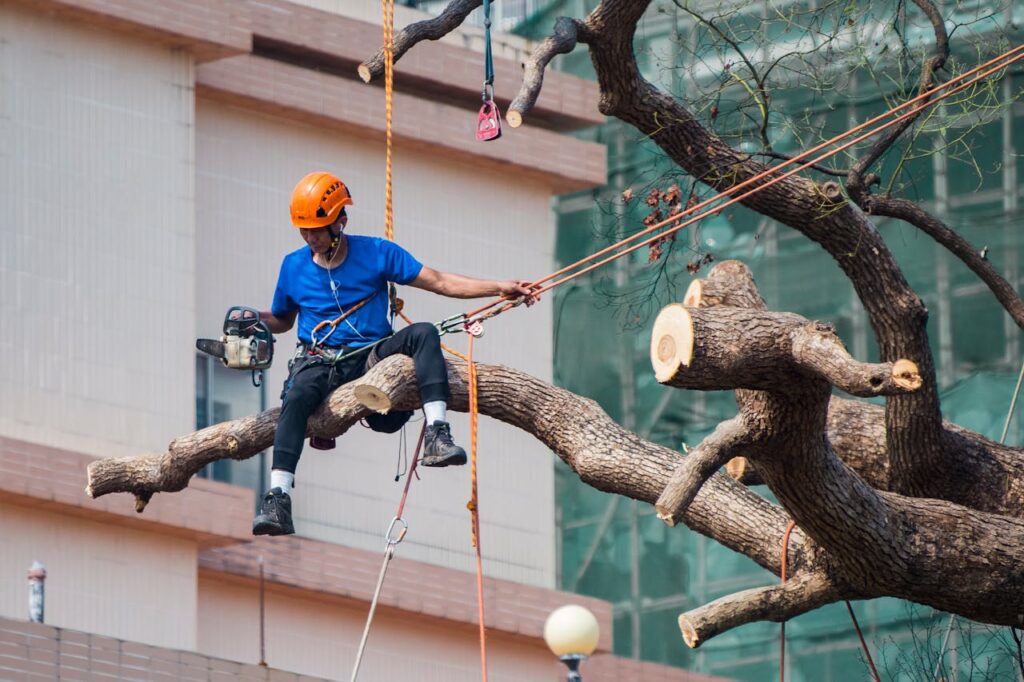
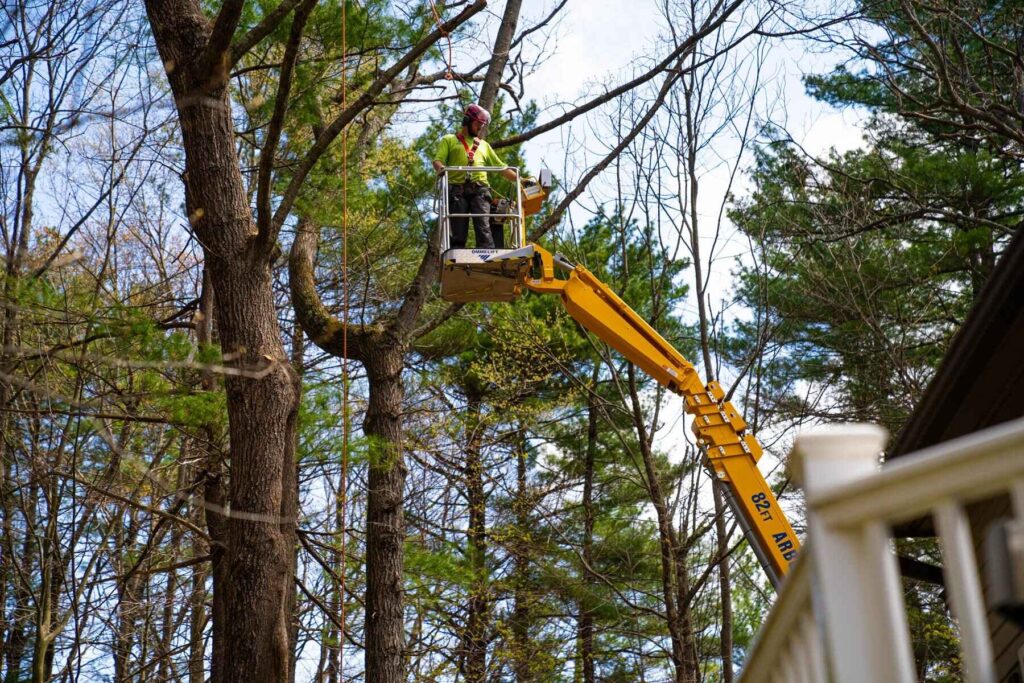
For trees located in confined spaces or near structures, sectional dismantling is often the preferred method. This technique involves removing the tree in smaller sections, starting from the top and working downwards. Professionals use ropes and rigging systems to lower each section safely to the ground.
This method allows for greater control and precision, significantly reducing the risk of damage to surrounding properties. It is particularly beneficial in urban areas where space is limited and safety is paramount.
Stump Removal
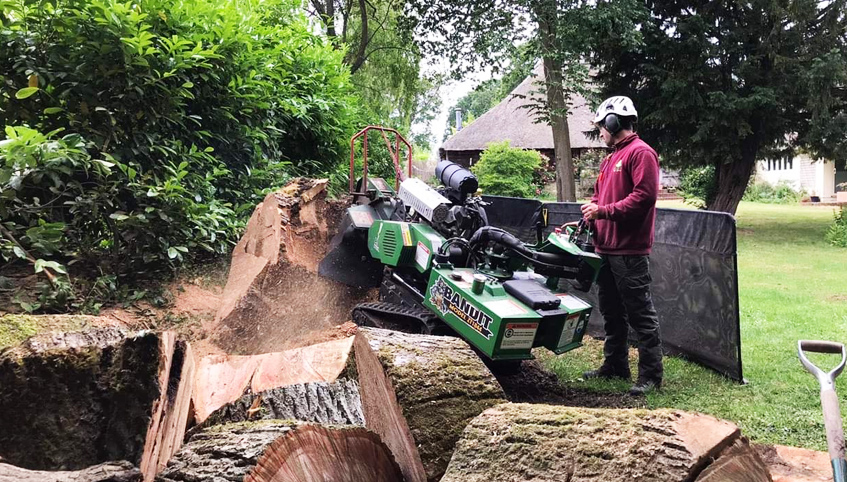
After a tree has been removed, the stump often remains, posing an aesthetic and safety issue. Professional tree removal services also offer stump removal, which can be executed through grinding or excavation. Grinding involves using a specialised machine to chip away the stump until it is below ground level, while excavation involves digging out the entire stump and root system.
Both methods have their advantages, and professionals can assess which option is best suited for the specific situation. Removing the stump not only improves the appearance of the landscape but also prevents potential hazards such as tripping or pest infestations.
Benefits of Tree Removal Services
Engaging professional tree removal services offers numerous benefits that extend beyond mere convenience. These services contribute to the overall health of your landscape and can enhance the value of your property.
Enhanced Safety
As previously mentioned, safety is a significant concern when it comes to tree removal. By hiring professionals, property owners can rest assured that the job will be done safely. This peace of mind is invaluable, particularly for those with children or pets who may be at risk from falling branches or unstable trees.
Moreover, professional services often include insurance coverage, which protects both the workers and the property owner in the event of an accident. This additional layer of security is a crucial factor to consider when choosing a tree removal service.
Improved Aesthetics
Overgrown or dead trees can detract from the beauty of a property. Professional tree removal services can enhance the overall aesthetics of a landscape by removing unsightly trees and allowing for new growth. This improvement not only makes the property more visually appealing but can also increase its market value.
Furthermore, removing trees that are too close to the house can allow more sunlight to reach the property, creating a brighter and more inviting atmosphere. This is particularly beneficial in the Central Coast region, where sunlight can significantly enhance outdoor living spaces.
Promoting Healthy Growth
Tree removal can also be a proactive measure to promote the health of remaining trees. By removing diseased or overcrowded trees, professionals can help ensure that the remaining trees have sufficient resources to thrive. This is particularly important in maintaining a balanced ecosystem within your landscape.
Additionally, professional arborists can provide advice on tree care and maintenance, helping property owners make informed decisions about their remaining trees. This guidance can lead to healthier trees and a more vibrant landscape.
Choosing the Right Tree Removal Service
Qualifications and Experience
When choosing a tree removal service, it is vital to verify their qualifications and experience. Look for companies that employ certified arborists and have a proven track record in tree removal. Experience in handling various types of trees and situations is an indicator of reliability and professionalism.
Furthermore, consider seeking recommendations from friends or family who have previously used tree removal services. Personal experiences can provide valuable insights into the quality of service offered by a particular company.
Insurance and Licencing
Always ensure that the tree removal service you choose is fully insured and licensed. This not only protects you in the event of an accident but also demonstrates the company’s commitment to professionalism. Request proof of insurance and licencing before proceeding with any work.
Quotes and Pricing
Obtaining quotes from multiple tree removal services can help you gauge the market rate and make an informed decision. However, be wary of prices that seem too good to be true, as they may indicate a lack of experience or hidden costs. A reputable company will provide a transparent quote detailing all aspects of the service.
Conclusion
In conclusion, safe and efficient tree removal services in the Central Coast are essential for maintaining a healthy and aesthetically pleasing landscape. By engaging professional services, property owners can ensure that the process is executed with the utmost care and expertise, minimising risks and maximising benefits.
Whether it involves felling, sectional dismantling, or stump removal, the methods employed by professionals are designed to protect both the property and the individuals involved. With the added benefits of enhanced safety, improved aesthetics, and the promotion of healthy growth, investing in professional tree removal services is a decision that pays dividends in the long run.
Choosing the right service requires careful consideration of qualifications, insurance, and pricing, but the peace of mind that comes with professional assistance is invaluable. For those in the Central Coast region, expert tree removal services are readily available, ready to help maintain the beauty and safety of your property.
Understanding the Importance of Coastal Landscapes
The Central Coast of New South Wales is renowned for its stunning coastal landscapes, characterised by pristine beaches, lush bushland, and diverse ecosystems. These natural environments not only provide recreational opportunities but also play a crucial role in maintaining ecological balance. However, the health of these landscapes is increasingly under threat due to various factors, including urban development, invasive species, and, notably, the overgrowth of certain tree species.
Tree removal has become a necessary practice in certain areas to protect these vulnerable coastal ecosystems. While trees are vital for the environment, their unchecked growth can lead to adverse effects on local flora and fauna, soil health, and even the coastal scenery itself. Understanding when and why tree removal is essential can help preserve the beauty and integrity of the Central Coast.
The Role of Trees in Coastal Ecosystems
Trees contribute significantly to the coastal ecosystem by providing habitat for wildlife, stabilising soil, and improving air quality. They also play a part in mitigating coastal erosion and flooding, which are critical concerns for Central Coast communities. However, not all tree species are beneficial in every context. Some non-native or invasive species can outcompete native flora, disrupt local wildlife habitats, and alter the natural landscape.
Invasive trees, such as certain types of acacias or pines, can create monocultures that diminish biodiversity. This reduction in plant variety can lead to a decline in animal populations that rely on diverse plant life for food and shelter. Therefore, tree removal becomes a strategic intervention aimed at restoring balance to these ecosystems.
Environmental and Aesthetic Benefits of Tree Removal
Removing certain trees can lead to a healthier environment and enhance the visual appeal of coastal landscapes. By eliminating invasive species, native plants have a better chance to thrive, which in turn supports local wildlife. The restoration of native vegetation can lead to improved soil health, reduced erosion, and better water quality in nearby waterways.
Moreover, a well-maintained coastal landscape is not only beneficial for the environment but also for tourism and local communities. Tourists are drawn to the natural beauty of the Central Coast, and preserving this beauty through responsible tree removal Central Coast can have positive economic implications. A vibrant, healthy coastal ecosystem attracts visitors, supports local businesses, and fosters community pride.
In addition to these benefits, the process of tree removal and subsequent restoration can also serve as an educational opportunity for local communities. Engaging residents in conservation efforts, such as planting native species or participating in clean-up initiatives, fosters a sense of stewardship towards the environment. Schools and local organisations can collaborate to create awareness about the importance of biodiversity and the role each individual can play in preserving their natural surroundings. Such initiatives not only enhance community bonds but also ensure that future generations inherit a thriving coastal environment.
Furthermore, the aesthetic transformation that follows responsible tree removal can be quite remarkable. As native flora begins to flourish, the landscape can regain its natural beauty, showcasing a rich tapestry of colours and textures that attract both wildlife and human admirers alike. The return of native species can also lead to the resurgence of local fauna, such as birds and butterflies, which rely on these plants for sustenance and habitat. This symbiotic relationship between flora and fauna underscores the importance of thoughtful ecological management in maintaining the allure of the Central Coast’s coastal landscapes.
When is Tree Removal Necessary?
Determining the right time for tree removal involves careful assessment and planning. Several factors can indicate that tree removal is necessary, including the health of the tree, its species, and its impact on the surrounding environment.
Assessing Tree Health
Tree health is paramount when considering removal. Trees that are diseased, dying, or structurally compromised pose risks not only to the environment but also to human safety. A thorough inspection by a qualified arborist can help identify trees that may need to be removed due to health concerns.
In some cases, trees may show signs of decay or infestation, which can spread to nearby vegetation. Early intervention can prevent larger issues down the line, making it crucial to monitor tree health regularly, especially in coastal areas where conditions can change rapidly.
Impact on Local Ecosystems
Tree removal is often necessary when a species threatens the local ecosystem. For example, if a non-native tree species is identified as invasive, its removal can be crucial in allowing native plants to flourish. The ecological balance can be restored by eliminating competition for resources, which ultimately benefits the entire ecosystem.
Furthermore, trees that obstruct views or block sunlight from native plants may also need to be removed. This is particularly important in coastal areas where sunlight is essential for the growth of various plant species. Careful planning and consideration of the surrounding environment can lead to more sustainable outcomes.
Best Practices for Tree Removal
When tree removal is deemed necessary, following best practices can ensure that the process is conducted safely and responsibly. Engaging professional services that specialise in tree removal is highly recommended, as they possess the expertise and equipment needed to carry out the task efficiently.
Engaging Professional Arborists
Hiring a qualified arborist or tree removal service is essential for ensuring that tree removal is done correctly. These professionals are trained to assess tree health, determine the best removal methods, and minimise damage to surrounding vegetation. They also understand local regulations regarding tree removal, which can vary significantly from one area to another.
Moreover, professional arborists can provide valuable advice on replanting native species in the area where trees have been removed. This proactive approach can help restore the ecosystem and promote biodiversity, ensuring that the coastal landscape remains vibrant and healthy.
Implementing Sustainable Practices
Sustainability should be at the forefront of any tree removal project. This includes not only the removal of trees but also the subsequent replanting of native species that can thrive in the local environment. Native plants are better adapted to the local climate and soil conditions, making them more resilient and beneficial for local wildlife.
Additionally, implementing erosion control measures during and after tree removal is vital. This can involve using mulch, planting cover crops, or installing barriers to prevent soil erosion and protect waterways from sediment runoff. These practices contribute to the long-term health of the coastal landscape.
Community Involvement and Education
Community involvement plays a crucial role in the success of tree removal initiatives aimed at protecting coastal landscapes. Educating the public about the importance of maintaining healthy ecosystems can foster a sense of responsibility and encourage local residents to participate in conservation efforts.
Community Workshops and Events
Organising workshops and community events focused on tree care, native planting, and ecosystem health can empower residents to take action. These events can provide valuable information on identifying invasive species, understanding the benefits of native plants, and learning about sustainable gardening practices.
Moreover, community tree planting days can be a fun and engaging way to involve residents in restoring local landscapes. By working together, communities can create a sense of ownership and pride in their natural environment, leading to more sustainable practices in the long run.
Advocacy for Local Policies
Advocating for local policies that support tree removal and ecosystem restoration can also have a significant impact. Engaging with local councils and environmental organisations can help raise awareness about the importance of maintaining coastal landscapes and the role that tree removal plays in this process.
By working together, communities can push for regulations that protect native vegetation, promote responsible tree management, and ensure that future developments consider the ecological health of the area. This collective effort can lead to more effective conservation strategies and a healthier coastal environment for generations to come.
Conclusion: A Balanced Approach to Tree Removal
Tree removal in the Central Coast region is a necessary practice to protect and preserve the unique coastal landscapes that define this area. While trees are essential for ecological health, their removal can be beneficial when conducted responsibly and sustainably. By prioritising the removal of invasive species, engaging professional services, and involving the community, it is possible to restore and maintain the natural beauty of the Central Coast.
Ultimately, the goal is to achieve a balanced approach that respects the role of trees while ensuring that the coastal ecosystem remains vibrant and diverse. Through education, advocacy, and community involvement, the Central Coast can continue to thrive as a stunning natural landscape, cherished by both residents and visitors alike.