Trees fail at the worst possible times. A summer storm rolls through, and by morning a limb is resting on the roof, a trunk is across the driveway, and a neighbour’s fence has disappeared under foliage. Emergency tree removal Sydney services exist for exactly that window, when the situation is unstable and waiting is not an option. The work is fundamentally different from a scheduled removal. There is no leisurely assessment, the tree is often already under load in unpredictable ways, and the first objective is not tidiness but making the site safe.
Not every fallen branch justifies an after-hours call-out, and knowing the difference saves money. Genuine emergencies involve immediate risk to people, structures, or access: a tree contacting a building, a limb hanging over a walkway, a trunk blocking the only vehicle exit, anything touching or near power lines, or a leaning tree with visible root plate lift. A branch down on the back lawn can wait for business hours. Professional emergency tree removal Sydney operators will tell you honestly which category you are in if you describe the situation clearly.
What Happens in the First Hour
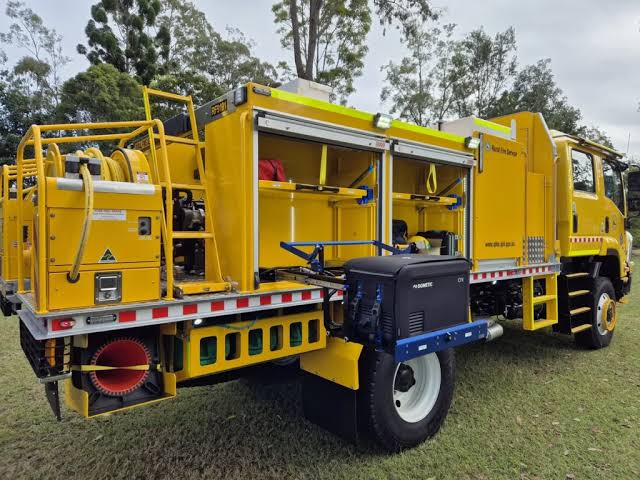
A crew arriving at an incident works to a sequence rather than diving straight in. They establish an exclusion zone, then assess what is holding what, because a fallen tree is a structure under tension and cutting the wrong piece first can release energy violently. Power lines are identified and treated as live until confirmed otherwise. Only then does cutting begin, usually starting with relieving loaded limbs in controlled stages. Full clean-up frequently waits for a return visit in daylight with the right machinery, which is normal practice and not a sign of an unfinished job.
Power Lines and Absolute No-Go Zones
Anything involving electrical infrastructure changes the rules completely. Fallen conductors may still be live, and a tree in contact with a line can energise the whole trunk. Regulator material on working safely with trees is unambiguous that work near overhead powerlines requires specified approach distances, coordination with the network operator, and in many cases a de-energised supply before tree work proceeds. For a property owner the instruction is simple: stay well clear, keep others away, call the electricity provider, and let the professionals coordinate. No branch is worth testing that boundary.
- 24-hour response for trees on buildings or blocking access
- Site stabilisation and exclusion zones before any cutting
- Coordination with network operators for anything near power lines
- Controlled release of tension in loaded and hung-up limbs
- Follow-up visit for full debris clearance and site restoration
Who to Call First, and in What Order
Order of operations matters during an incident. If anyone is injured or a structure is unstable, emergency services come first. If a tree is touching or has brought down a power line, the electricity distributor is the next call, and no one should approach the area until they confirm it is safe. If gas or water services are involved, those providers need notifying directly. Only then does the tree contractor become useful, because a crew cannot begin work near live infrastructure until the network operator has attended. Notifying your insurer early is worthwhile too, since some policies require approval before non-emergency remediation starts and most will want photographs taken before anything is moved.
Storm Damage Patterns
Different weather produces different failures, and experienced crews read the pattern before arriving. Sustained high wind tends to shear limbs at weak unions and topple shallow-rooted trees, particularly where soil is already saturated. Heavy rain softens root plates so a tree that stood through a decade of storms suddenly leans. Hail and lightning cause damage that is not obvious from the ground and shows up as decline months later. After any significant event it is worth having remaining trees inspected, because the second failure often follows the first by weeks once a canopy has been destabilised.
Insurance and Documentation
Insurers generally cover damage caused by a falling tree, and often the cost of removing the portion that caused it, while removal of the remaining tree is treated as maintenance. That distinction is worth understanding before you authorise a full clear. Photograph everything before work starts: the tree, the damage, the position, and the weather conditions if possible. Keep the arborist’s written report and itemised invoice separated between making safe and general clean-up. If a tree was already flagged as hazardous in a prior report and nothing was done, expect that history to come up during assessment. Damage to a neighbour’s property adds another layer, since liability generally turns on whether the tree owner knew or should have known the tree was a risk.
After-Hours Pricing and Preparation
Emergency work costs more, and the reasons are legitimate: crews are called in outside rosters, jobs are riskier, and the sequencing is harder. Expect a premium over standard rates and confirm the structure verbally before the crew mobilises. The best way to reduce exposure is preparation. Following recognised safe work practices starts with hazard identification, and the same logic applies to your property: have trees inspected before storm season, remove deadwood while it is cheap, and store two contact numbers for emergency tree removal Sydney in your phone before you need them at two in the morning.
Choosing Who to Call Under Pressure
Crisis is a terrible time to vet a contractor, which is why door-knockers appear in droves after big storms. Some are legitimate and some are uninsured opportunists with a chainsaw and a trailer. Before authorising work, confirm insurance and get the scope in writing even if it is a text message. Established emergency tree removal Sydney companies have a business address, a landline, and references you can check. Deciding who you would call in advance removes the pressure entirely and usually gets you a better crew.
