There is a wide gap between dropping a tree in an open field and taking one out from between a house and a boundary fence. The first is basic chainsaw work. The second is an engineering problem involving load calculation, anchor selection, and a sequence where every piece has a planned destination. Professional tree cutting services occupy that second category. The skill on display is not really cutting at all; it is controlling where several hundred kilograms of timber goes once it separates from the tree, which is why experienced crews spend real time planning before they start.
Method selection follows the site. If there is a clear drop zone at least the height of the tree in the intended direction, straight felling with hinge and wedge cuts is fastest and cheapest. Where the drop zone is compromised, the tree is dismantled in sections, with a climber working down and lowering pieces on rope systems. Where structures, pools, or sensitive landscaping sit directly beneath, a crane lifts sections clear entirely. Each step up in method adds cost and adds control, and honest tree cutting services will explain which one your site actually requires.
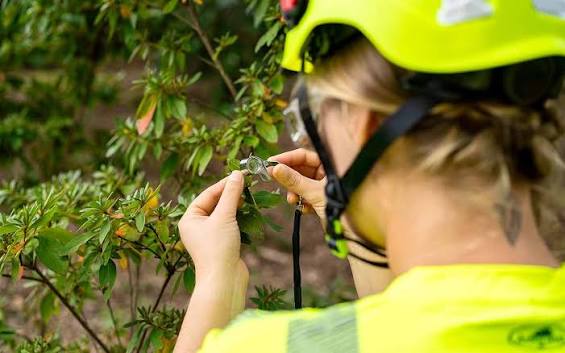
Felling, Dismantling, and Crane Work
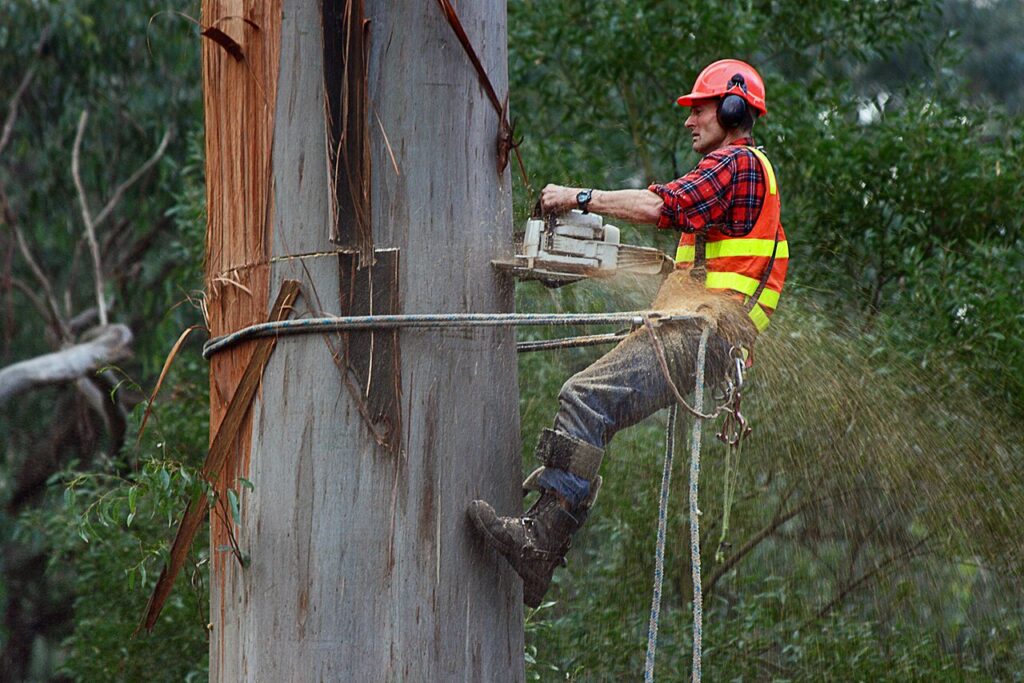
Felling looks simple and is deceptively technical: reading lean and weight distribution, cutting an accurate hinge, and controlling the fall with wedges or a pull line. Sectional dismantling is the suburban standard, requiring climbing skill plus rigging knowledge, since a limb lowered on a poorly rigged line generates shock loads that can fail equipment or tear the anchor point out. Crane-assisted removal is the premium option, used when the tree overhangs something that cannot be exposed to risk. It is expensive per hour but often faster overall, and on the right job it is cheaper than the alternative.
Equipment That Earns Its Keep
A well-equipped crew carries more than saws. Climbing systems, friction devices, slings, pulleys, and rated rigging hardware all have working load limits and inspection schedules. Elevated work platforms replace climbing where access allows. Chippers process branches on site, and they are the single most dangerous machine in the arsenal: regulator guidance on woodchipper operation details the entanglement and struck-by risks along with the required feed technique, guarding, and emergency stop arrangements. Watch how a crew feeds a chipper and you learn most of what you need to know about their standards.
- Straight felling where a clear drop zone exists
- Sectional dismantling with rated rigging for confined sites
- Crane-assisted lifts over roofs, pools, and structures
- On-site chipping to cut disposal volume and truck movements
- Ground protection for lawns, paving, and irrigation
Safety Protocols You Should See
Competent tree cutting services follow a visible routine. There is a site-specific risk assessment, a briefing, and defined roles including a ground worker whose job is watching the climber rather than tidying branches. Exclusion zones are marked. Helmets, eye and hearing protection, and cut-resistant leg protection are worn, not carried. Communication is agreed in advance, because once a saw is running nobody hears anything. Overhead lines are identified and clearances confirmed. A crew that skips the briefing to save ten minutes is the same crew that will improvise when something goes wrong.
The Ground Crew Matters as Much as the Climber
Watch a well-run removal and you will notice the ground team is doing more than dragging branches. One person is dedicated to the climber: watching the cut, controlling the lowering line, and calling out anything the climber cannot see from above. Another manages the drop zone and keeps the chipper fed at a safe rhythm. Someone tracks where each section will land relative to the fence, the pool, and the shed. This is why a two-person crew on a large tree is a warning sign rather than a bargain, because the roles cannot be combined safely. Communication is agreed before the saws start, since hand signals are the only reliable channel once machinery is running.
Protecting the Property
Most complaints about tree work concern collateral damage rather than the cutting itself. Heavy machinery on wet lawn leaves ruts that take a season to recover. Timber dropped without matting cracks pavers. Chipper trucks stain driveways. Irrigation lines and garden lighting sit exactly where the crew wants to walk. Professionals lay ground protection, plan machine paths, and ask about buried services before starting. Have that conversation at quoting stage and get it into the scope, because agreeing on protection afterward is a negotiation nobody enjoys. Photographs of the lawn, driveway, and garden beds before the crew starts are cheap insurance and take two minutes.
Cost Drivers and Comparing Quotes
Two quotes on the same tree can differ by a factor of three, and usually the gap reflects method rather than greed. Ask each contractor to state whether the price assumes felling, climbing, or crane work, and whether stump grinding and green waste removal are included. Confirm site protection. Then check that the operator holds recognised qualifications: crews trained through formal arboriculture training understand rigging loads and tree biomechanics rather than working on feel. The cheapest quote frequently belongs to whoever has underestimated access, and an underestimated job on your property becomes your problem.
Selecting a Provider
Choose on process, not price alone. A good contractor walks the site, explains the intended method, identifies what could go wrong, and puts the whole scope in writing. They will supply current insurance certificates and recent local references without being chased. Quality tree cutting services also leave the site genuinely clean, which sounds minor until you have paid someone who did not. Ask one final question before signing: what is the plan if the limb does not behave as expected. Professionals have an answer ready, usually involving a secondary anchor, a pull line, or a decision point where they stop and reassess rather than pushing on. That answer, more than any price, tells you who you are dealing with.
