This guide breaks down what they assess before quoting, using Australian conditions, rules, and common backyard setups.
What’s the first thing a tree removalist looks at on arrival?
They start by identifying the tree, its size, and how it sits in the landscape. In most Australian suburbs, a tree removalist will also check obvious hazards like dead limbs, cracks, lean, and anything nearby that could be damaged.
A tree removalist will often take photos, measure approximate height and trunk diameter, and map out a drop zone or rigging plan before talking price.
How do they assess the tree’s size and structure?
They estimate height, canopy spread, trunk thickness, and the number of major leaders. Bigger trees usually mean more labour, more rigging, and more time on ropes or machinery.
Structure matters as much as size. A multi-stem tree, heavy side weight, or long horizontal limbs can complicate the dismantle, which is why a tree removalist factors structure into the quote early.
Why does tree species affect the quote?
Species can change difficulty, risk, and disposal costs. Some timbers are denser and heavier, meaning slower cutting and harder lowering, while others drop lots of leafy volume that fills a truck quickly.
In Australia, species like eucalypts can have heavy limbs and unpredictable failures in dead sections. A tree removalist may also consider pests or disease typical to certain species when deciding how cautiously to proceed.
How do they check tree health and stability?
They look for decay, cavities, fungal fruiting bodies, termite activity, deadwood, and poor unions. They may tap the trunk, probe hollows, or assess the root flare for rot and soil lifting.
Health changes the work method. If the tree is brittle or compromised, a tree removalist may avoid climbing it and instead quote for elevated work platforms or cranes.
What site hazards do they check before quoting?
They scan for people and property risks: nearby play areas, neighbour yards, pets, sheds, pools, and glass structures. They also consider public risk if the tree overhangs a footpath, nature strip, or road.
A tree removalist will price higher if the job needs traffic control, spotters, additional crew, or stricter exclusion zones to keep the site safe.
How do powerlines and service cables change the cost?
They check for overhead powerlines, service mains to homes, NBN lines, and streetlight wires. In Australia, clearance rules are strict, and some work must be referred to the electricity distributor or done by specially authorised crews.
If the tree is within the “no-go” zone, the tree removalist may need to coordinate with the network operator or adjust the plan, which affects time and quoting.
Do they look for underground services too?
Yes, especially when stump grinding or using heavy machinery. They consider water pipes, gas lines, electrical conduits, stormwater, septic systems, and irrigation.
A tree removalist might ask for service plans, look for inspection covers, or recommend contacting Before You Dig Australia. Hidden services can add risk, slow the job, or change what they will include in the quote.
How important is access for trucks, chippers, and machinery?
Access is one of the biggest price drivers. They assess driveway width, gate openings, side access, slope, soft ground, steps, and whether equipment can reach the tree.
If machinery cannot get close, everything becomes manual handling. A tree removalist will quote more if logs must be carried out in sections, if the chipper must stay on the street, or if extra protection is needed for paving and lawns.
What do they check about neighbouring properties and boundary lines?
They confirm where the trunk sits and whether branches extend over fences or roofs next door. They also consider whether limbs need to be lowered into a neighbour’s yard and whether consent or access is required.
A tree removalist will often suggest notifying neighbours early, because restricted access can force slower rigging methods and raise the overall cost.
Do local council rules and permits affect the quote?
They often do. Many Australian councils protect certain species, apply size thresholds, or require permits in heritage overlays and environmental zones.
A tree removalist may ask for the property address to check the council area and advise whether approvals might be needed. If the client wants them to handle paperwork, that time can be reflected in the quote.
How do they decide whether climbing or machinery is safer?
They compare climbing suitability against elevated work platforms, cranes, or excavators. Factors include tree health, anchor point strength, lean, and the space available for outriggers or a crane set-up.
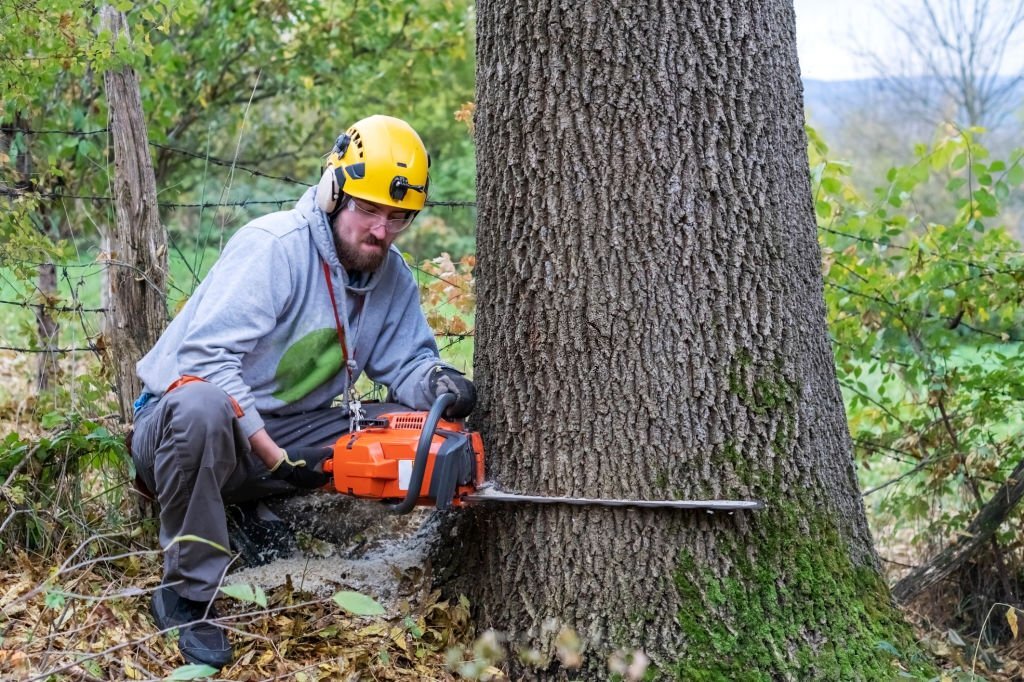
Before starting work, they should check the relevant council tree lopping rules to confirm whether approval or permits are required. A tree removalist will usually choose the method that reduces risk and controls the dismantle. Machinery can cost more, but it can also reduce time and improve safety on complex removals.
What role does rigging complexity play in the price?
Rigging is needed when pieces cannot be safely dropped. They look for tight yards, fragile gardens, pergolas, fences, pools, and roofs that require controlled lowering.
The more complex the rigging, the more equipment and crew skill is needed. A tree removalist builds those realities into the quote because a careful sectional removal takes longer than a simple fell.
Do they check for emergency risk or storm damage?
Yes. Storm-damaged trees can have hanging limbs, split trunks, and unstable root plates that shift under load. They also assess whether the site is safe to work on immediately or needs temporary stabilisation.
If the job is urgent or after-hours, the tree removalist may add costs for rapid response, extra staff, lighting, or additional safety controls.
How do they price cleanup, waste removal, and timber volume?
They estimate how much chip and log volume the tree will generate and whether it can be processed on site. They also check whether there is room for a chipper, log truck, or skip, and how far material must be carried.
Some clients want firewood left behind, while others want everything removed. A tree removalist will clarify inclusions like raking, blowing paths clean, and hauling green waste to an Australian disposal facility.
What do they consider about stump grinding and root management?
If stump grinding is requested, they check stump size, access for the grinder, soil type, rocks, and nearby structures like paths, retaining walls, and pipes. They also confirm how deep the grind needs to go based on the client’s plans.
A tree removalist may quote stump grinding separately because it depends heavily on site access and hidden obstacles.
Do they confirm what the client actually wants removed?
Yes, because “remove the tree” can mean different things. They confirm whether the client wants full removal, pruning only, deadwood removal, canopy reduction, or clearing for construction.
They also confirm whether to remove regrowth, treat the stump to reduce suckering where relevant, or tidy up surrounding vegetation. A tree removalist will quote more accurately once the scope is clearly defined.
What questions should clients expect during the quoting process?
They’ll usually ask about access times, parking, pets, gate codes, neighbour concerns, and whether there have been past issues like falling limbs. They may also ask if there are planned renovations, pool installs, or landscaping that affect timing.
A tree removalist might also ask for recent photos if quoting remotely, but they will still confirm critical safety details on site before locking in the final plan.
What should be included in a professional quote?
It should state exactly what work is included, the removal method, what happens to the waste, and whether stump grinding is included. It should also clarify exclusions such as council permit fees, traffic control requirements, or fence repairs if pre-existing issues exist.
In Australia, clients can also ask about insurance and qualifications. A clear quote helps ensure the tree removalist and the client agree on scope, risk, and cleanup expectations before work starts.
How can clients help a tree removalist quote more accurately?
They can provide the address, a few clear photos, and honest notes about access, powerlines, and what they want done. They can also clear side access, secure pets, and tell neighbours in advance if access might be needed.
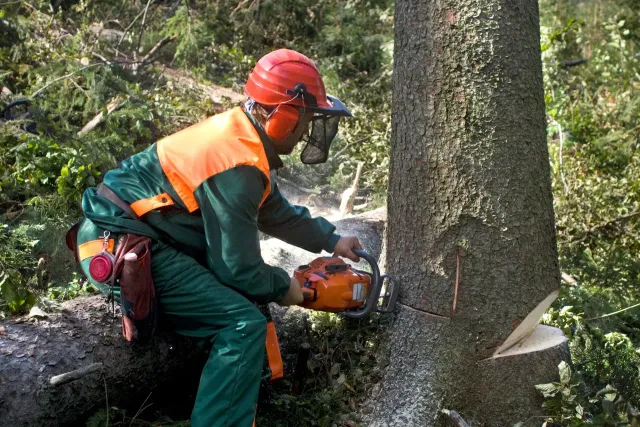
When information is upfront, the tree removalist can plan the safest method and avoid adding last-minute costs due to surprises on the day.
FAQs (Frequently Asked Questions)
What initial factors does a tree removalist assess when arriving at a site?
Upon arrival, a tree removalist identifies the tree species, its size, and its position in the landscape. They look for obvious hazards such as dead limbs, cracks, lean, and nearby structures that could be damaged. Photos are taken, approximate height and trunk diameter measured, and a drop zone or rigging plan mapped out before discussing pricing.
How does the size and structure of a tree influence the removal quote?
Tree size is assessed by estimating height, canopy spread, trunk thickness, and the number of major leaders. Larger trees typically require more labour, rigging, and time using ropes or machinery. Structural factors like multi-stem growth, heavy side weight, or long horizontal limbs add complexity to dismantling and are factored into the quote early.
Why is the species of a tree important in determining removal costs?
Different species affect difficulty, risk, and disposal costs. For example, dense and heavy timbers slow cutting and lowering processes. Species like Australian eucalypts have heavy limbs and may fail unpredictably in dead sections. Additionally, pests or diseases common to certain species influence how cautiously removal proceeds.
What site hazards do tree removalists consider before providing a quote?
They assess risks related to people and property including nearby play areas, neighbour yards, pets, sheds, pools, glass structures, footpaths, nature strips, and roads. Jobs requiring traffic control, spotters or strict exclusion zones increase safety measures and thus raise the overall price.
How do powerlines and underground services impact tree removal pricing?
Overhead powerlines and service cables require strict adherence to clearance rules; some work may need coordination with electricity distributors or authorised crews which adds time and cost. Underground services like water pipes, gas lines, electrical conduits or irrigation systems pose risks during stump grinding or machinery use; locating these can slow work or change the scope of quoting.
In what ways do access limitations affect the cost of tree removal?
Access for trucks, chippers, and machinery is critical. Narrow driveways, gate openings, slopes or soft ground can prevent equipment from reaching the tree leading to manual handling of logs. If machinery must remain on the street or extra protection is needed for paving and lawns due to limited access, these factors increase labour time and overall cost.
<script type="application/ld+json">
{
  "@context": "https://schema.org",
  "@type": "BlogPosting",
  "mainEntityOfPage": {
    "@type": "WebPage",
    "@id": "https://beplantwise.org/what-does-a-tree-removalist-check-before-quoting-a-job/"
  },
  "headline": "What Does a Tree Removalist Check Before Quoting a Job?",
  "image": [
    "https://beplantwise.org/wp-content/uploads/2026/08/downloader-la-64ac78dfa5ff6_orig.jpg",
    "https://beplantwise.org/wp-content/uploads/2026/08/Tree-removal-NSW-680x498-1.jpg",
    "https://beplantwise.org/wp-content/uploads/2026/08/TreeServiceWestCovina-SafetyMeasuresDoExpertsTakeDuringTreeRemoval-640w.webp"
  ],
  "author": {
    "@type": "",
    "name": "Alyssa Cambridge",
    "url": "https://beplantwise.org/author/admin/"
  },
  "publisher": {
    "@type": "Organization",
    "name": "Be Plant Wise",
    "logo": {
      "@type": "ImageObject",
      "url": "https://beplantwise.org/wp-content/uploads/2025/04/logo-plant.png"
    }
  },
  "datePublished": ""
}
</script>