That difference matters because the same job can be exempt in one LGA and require a permit in the next. Understanding why Sydney tree lopping rules vary helps residents avoid fines, delays, and neighbour disputes.
Why don’t all Sydney councils follow one set of tree rules?
They do not follow one set of rules because each council operates under the NSW planning framework but writes its own local instruments and policies. For Sydney tree lopping, those documents define what needs consent, what is exempt, and what evidence is required.
In practice, Sydney tree lopping rules are shaped by each council’s Local Environmental Plan (LEP), Development Control Plan (DCP), and tree preservation controls, plus how council staff interpret them.
How do LEPs and DCPs change what residents can do?
LEPs set the legal planning controls for land use, while DCPs provide the detailed “how-to” standards. Together, they influence when tree work is classed as development needing approval.
Because every council drafts its own DCP details, Sydney tree lopping rules can differ on pruning limits, measurement methods, and what counts as “significant” impact on a tree’s health.
What role do Tree Preservation Orders and local tree policies play?
Some councils rely heavily on Tree Preservation Orders (TPOs) or dedicated tree management policies, while others embed protections directly into their planning controls. These tools often set thresholds such as minimum trunk diameter, species lists, or location-based triggers.
That is why Sydney tree lopping rules may protect a tree in one council area but treat the same species as lower priority elsewhere.
Why do heritage and conservation areas create stricter requirements?
Where land sits in a Heritage Conservation Area or contains a heritage item, councils usually require extra scrutiny. They may ask for heritage impact statements or limit how much canopy can be removed.
This is a common reason Sydney tree lopping rules feel tougher in older suburbs across the Inner West, North Shore, and parts of the Eastern Suburbs.
How do state laws still allow different council outcomes?
NSW legislation and codes set the top layer, but councils still decide how local controls apply to their landscapes. Even when the same state rules exist, councils can impose different evidence standards and assessment steps.
So, Sydney tree lopping rules can diverge due to local discretion, resourcing, and how risk is managed in approvals.
Why do bushfire-prone areas and the 10/50 scheme affect rules differently?
In mapped bushfire-prone land, vegetation work may be influenced by the NSW Rural Fire Service requirements. Some properties may also qualify for clearing under the 10/50 Vegetation Clearing Scheme, but eligibility depends on mapped layers and property specifics.
Councils often receive complaints after bushfire clearing is misunderstood, which is why Sydney tree lopping rules can be communicated more strictly in high-risk corridors near bushland.
How do protected vegetation types and biodiversity maps change council decisions?
Some LGAs have more remnant bushland, threatened ecological communities, or wildlife corridors. Where biodiversity values are higher, councils may require arborist reports, flora and fauna checks, or offsets in rare cases.
This is another driver behind Sydney tree lopping rules varying widely between a coastal LGA, a leafy riverside one, and a more urbanised area.
Why does “what counts as a tree” differ between councils?
Councils do not always define trees the same way. One may use trunk diameter measured at 1.4 metres above ground, another may use circumference, and another may include multi-stem trees differently.
Because of that, Sydney tree lopping rules can hinge on measurement details that look minor but decide whether approval is required.
How do pruning limits and exemptions vary across Sydney?
Many councils allow minor pruning without approval, but the threshold differs. Some describe a percentage of canopy, others specify maximum limb diameter, and others focus on whether pruning is “in accordance with Australian Standard AS 4373.”
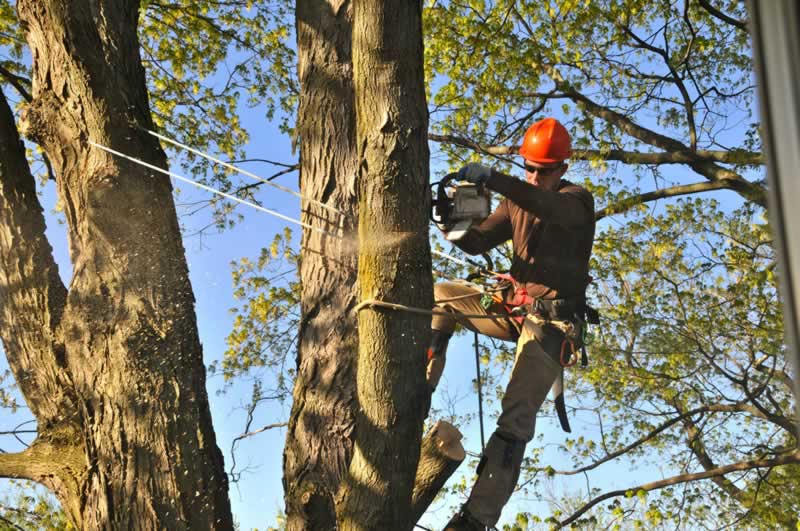
These differences are why getting a tree removalist quote early can help, especially when Sydney tree lopping rules make routine maintenance simple in one area and paperwork-heavy in another.
Why do councils treat “dead, dying, or dangerous” trees differently?
Most councils provide a pathway to remove hazardous trees, but they do not require the same proof. Some accept clear photos and a contractor statement, while others expect a qualified arborist report and may still require consent.
Residents often get caught here because Sydney tree lopping rules can treat “dangerous” as a technical term, not a common-sense one.
How do neighbour disputes and amenity complaints influence enforcement?
Even if a rule is similar on paper, enforcement can look different. Councils with high complaint volumes may run more compliance checks, respond faster, or issue stricter directions to stop work.
That means Sydney tree lopping rules are partly shaped by local reporting culture, density, and how seriously canopy loss is viewed in that community.
Why does council resourcing change turnaround times and requirements?
Some councils have dedicated tree assessment officers and clear online lodgement systems. Others have smaller teams, longer queues, and a stronger reliance on formal documentation to reduce back-and-forth.
From a resident’s perspective, Sydney tree lopping rules can feel different simply because one council makes applications smoother and another makes them slower.
What documents do councils commonly ask for before approving work?
They often ask for a site plan, photos, species identification, and a clear scope of works. For removals or major pruning, they may request an arborist report addressing structure, health, risk, and replacement planting.
Because the evidence threshold differs, Sydney tree lopping rules can push some applicants to engage an arborist early, while others only need a basic application.
How should residents check the exact rules for their property?
They should start with their council website and search for “tree management,” “tree preservation,” and “exempt pruning.” They should also check mapping layers for heritage, bushfire-prone land, and environmental constraints, because those overlays often trigger permits.
To avoid surprises, they should confirm in writing if work is exempt, since Sydney tree lopping rules can depend on details that are not obvious from street level.
What are the risks of getting it wrong?
They can face stop-work orders, fines, and directions to replant. They can also run into issues when selling a property if unlawful vegetation removal becomes part of a dispute or compliance record.
Given how much Sydney tree lopping rules vary, a quick check before starting work is usually cheaper than fixing a compliance problem later.
What practical steps help them stay compliant across different councils?
They should document the tree, the reason for work, and the proposed scope before contacting council. They should use an insured arborist who understands AS 4373 pruning standards and can describe the work clearly.
Most importantly, they should assume Sydney tree lopping rules are local, not city-wide, and verify the exact thresholds that apply to their address.
What is the simplest way to think about why council rules differ?
They differ because Sydney is not one landscape and not one planning context. Councils manage different canopy targets, heritage streetscapes, bushfire risk, biodiversity constraints, and community expectations.
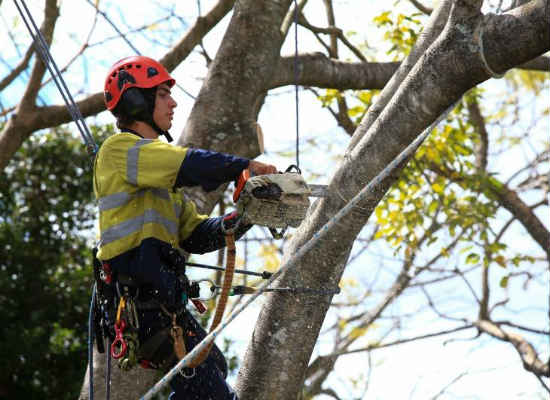
That mix is why Sydney tree lopping rules can change in a short drive, even when the trees look the same from the footpath.
FAQs (Frequently Asked Questions)
Why do Sydney tree lopping rules vary between different local councils?
Sydney tree lopping rules differ because each local council operates under the NSW planning framework but creates its own Local Environmental Plans (LEPs), Development Control Plans (DCPs), and tree preservation policies. These local instruments set distinct consent requirements, exemptions, and evidence needed, leading to variations in tree work regulations from suburb to suburb.
How do Local Environmental Plans (LEPs) and Development Control Plans (DCPs) affect tree lopping permissions in Sydney?
LEPs establish the legal planning controls for land use, while DCPs provide detailed standards on how to comply. Together, they determine when tree work is considered development requiring approval. Since each council drafts its own DCP details, Sydney tree lopping rules can vary regarding pruning limits, measurement methods, and definitions of significant impact on a tree’s health.
What impact do Tree Preservation Orders (TPOs) and local tree policies have on Sydney’s tree lopping regulations?
Tree Preservation Orders and local tree management policies set specific thresholds such as minimum trunk diameter, protected species lists, or location-based criteria. Some councils rely heavily on TPOs while others embed protections within planning controls. This results in certain trees being protected in one council area but treated with lower priority in another, contributing to the variation in Sydney tree lopping rules.
Why are tree lopping rules stricter in heritage and conservation areas within Sydney?
Heritage Conservation Areas and properties containing heritage items often require additional scrutiny before tree work is approved. Councils may demand heritage impact statements or limit canopy removal to preserve historical character. Consequently, Sydney tree lopping rules tend to be more stringent in older suburbs like the Inner West, North Shore, and parts of the Eastern Suburbs.
How do bushfire-prone zones and the 10/50 Vegetation Clearing Scheme influence Sydney’s tree lopping regulations?
In bushfire-prone areas mapped by the NSW Rural Fire Service, vegetation clearing must comply with specific safety requirements. The 10/50 Vegetation Clearing Scheme allows eligible properties to clear certain vegetation without approval based on mapped layers and property details. These factors cause councils near bushland corridors to communicate stricter or more complex Sydney tree lopping rules to ensure compliance and safety.
Why do definitions of “what counts as a tree” differ among Sydney councils affecting pruning approvals?
Councils vary in defining trees by using different measurement methods such as trunk diameter at 1.4 meters above ground, circumference, or treatment of multi-stem trees. Such measurement nuances affect whether a particular tree requires approval for pruning or removal under Sydney tree lopping rules, making these seemingly minor details crucial for residents to understand.
<script type="application/ld+json">
{
  "@context": "https://schema.org",
  "@type": "BlogPosting",
  "mainEntityOfPage": {
    "@type": "WebPage",
    "@id": "https://beplantwise.org/why-sydney-tree-lopping-rules-differ-between-councils/"
  },
  "headline": "Why Sydney Tree Lopping Rules Differ Between Councils",
  "image": [
    "https://beplantwise.org/wp-content/uploads/2026/08/Brisbane-Tree-Lopping-expert.jpg",
    "https://beplantwise.org/wp-content/uploads/2026/08/tree-lopping-damages-the-tree.jpg",
    "https://beplantwise.org/wp-content/uploads/2026/08/treelooping5.webp"
  ],
  "author": {
    "@type": "",
    "name": "Alyssa Cambridge",
    "url": "https://beplantwise.org/author/admin/"
  },
  "publisher": {
    "@type": "Organization",
    "name": "Be Plant Wise",
    "logo": {
      "@type": "ImageObject",
      "url": "https://beplantwise.org/wp-content/uploads/2025/04/logo-plant.png"
    }
  },
  "datePublished": ""
}
</script>