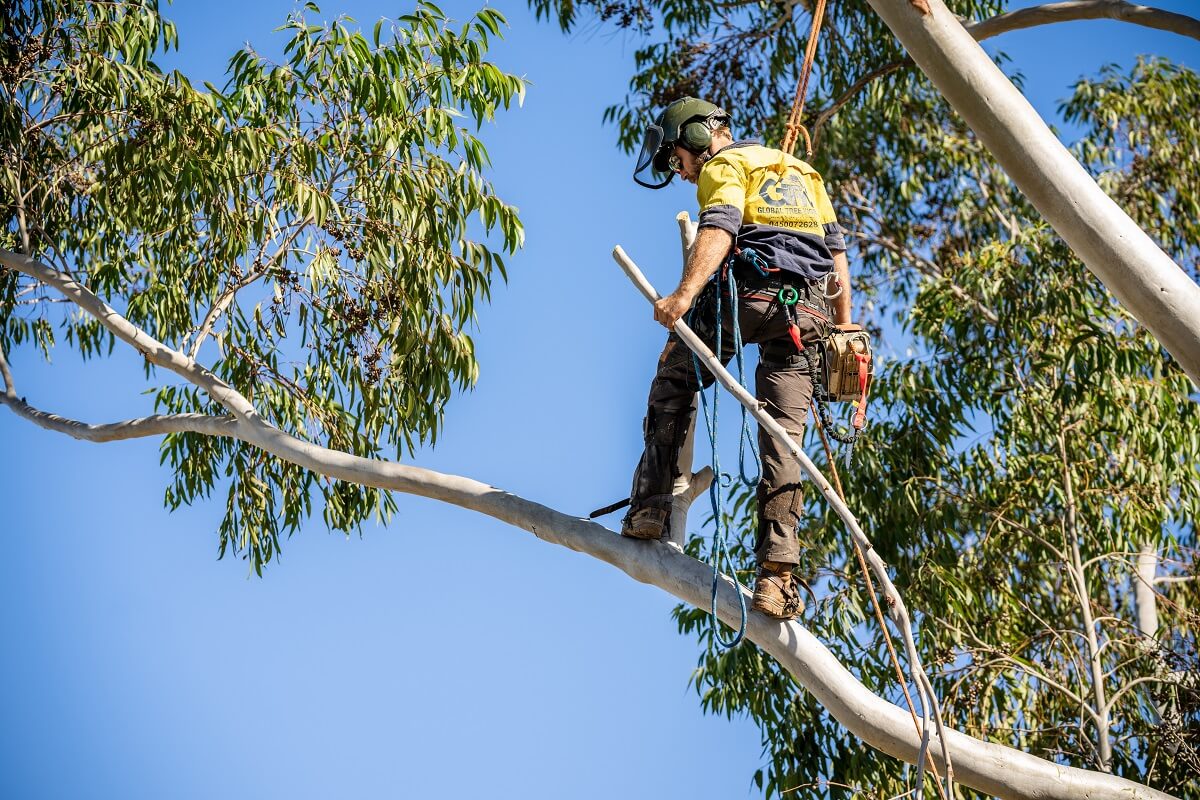
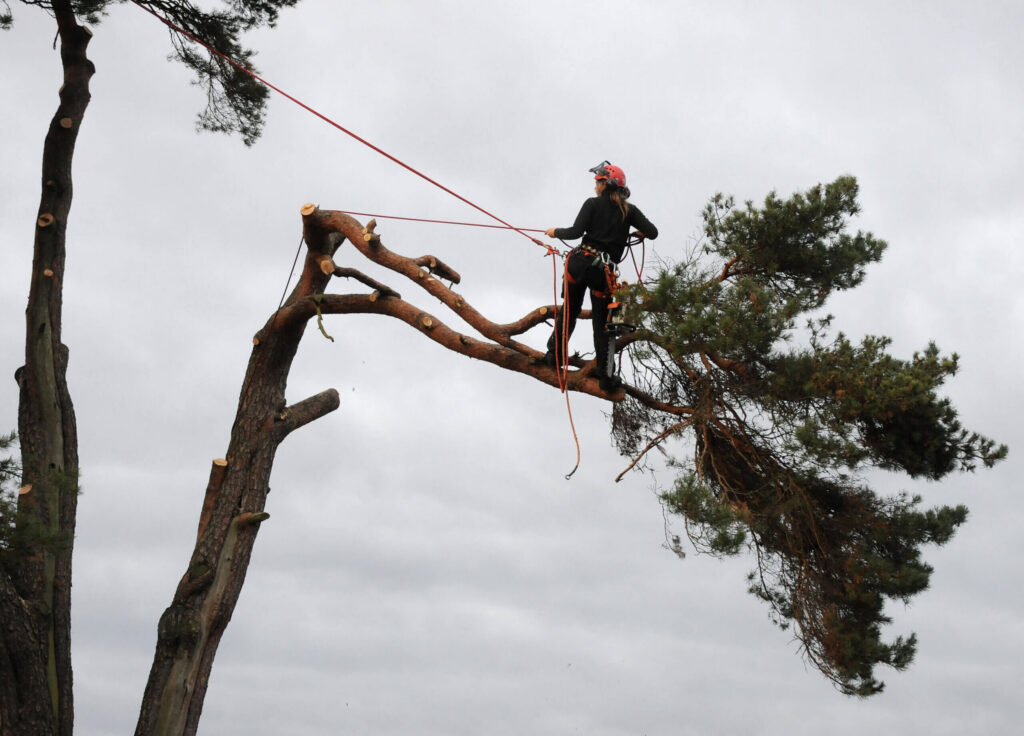
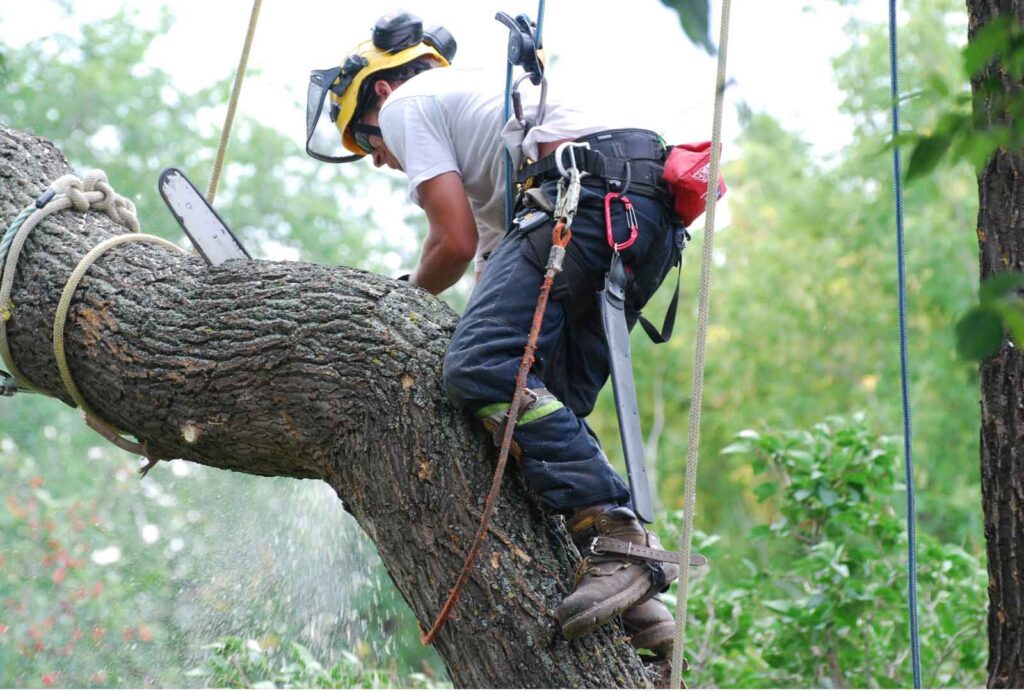
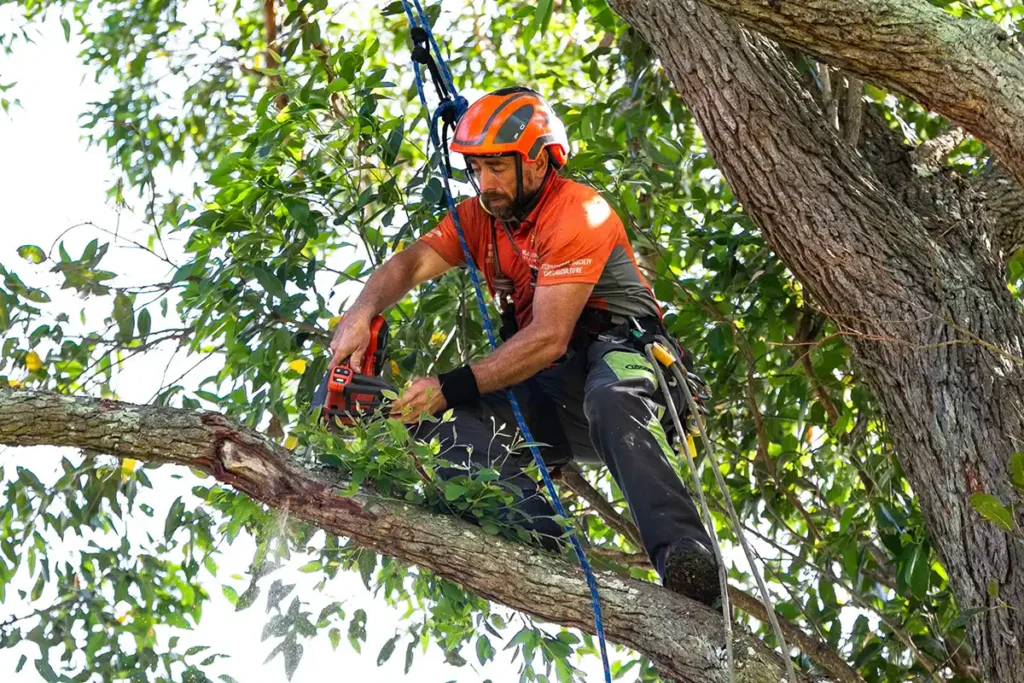
Tree loppers in Sydney usually offer a mix of tree removal, pruning, safety work, and ongoing maintenance. The exact services depend on the tree’s size, location, risk level, and any local rules that apply.
This guide breaks down what they typically do, what each service is for, and what to ask for when booking.
What is tree lopping, and how is it different from pruning?
The tree loppers Sydney typically refers to cutting back parts of a tree, often to reduce size quickly. In practice, reputable operators tend to describe their work as pruning, reduction, or removal, because those terms are clearer and align with better tree care.
Pruning is more selective. They remove targeted branches to improve structure, health, clearance, and safety.
Do they offer full tree removal services?
Yes, full tree removal is one of the most common services. They typically remove trees that are dead, dangerous, storm damaged, structurally unsound, or in the wrong place for buildings and services.
Removal can include sectional dismantling, where they take the tree down in pieces using rigging. This is common in tight Sydney backyards and near fences, roofs, and power lines. You may also checkout about signs that when your tree needs immediate tree lopping on https://beplantwise.org/7-signs-your-tree-needs-immediate-tree-lopping.
Can they remove dangerous trees in tight or high-risk spaces?
They often can, but the approach changes when the site is complex. For trees overhanging roofs, close to neighbours, or near traffic, they may use advanced rigging, elevated work platforms, or cranes.
They should also control drop zones, protect structures, and plan safe lowering points. In riskier jobs, they may recommend removal over heavy cutting if the tree is already compromised.
What types of pruning do they usually provide?
Most Sydney tree loppers offer several pruning options depending on the goal. Common types include crown cleaning (removing deadwood), crown thinning (reducing density), and crown reduction (reducing overall size).
They also prune for clearance around roofs, gutters, driveways, and pathways. Good pruning aims to keep the tree stable and balanced, not just smaller.
Do they provide hedge trimming and shaping?
Yes, many offer hedge trimming as a standard add-on. This can include basic height reduction, face trimming, and shaping for privacy hedges and formal hedges.
They may also advise on how often to trim based on species and growth rate. Regular hedge work can prevent heavy cuts that stress plants and make them look patchy.
Can they grind stumps and remove roots?
Stump grinding is a common service after tree removal. They use a stump grinder to shred the stump below ground level, usually enough to allow turfing or replanting in that spot.
Root removal is different and not always included, because extensive root systems can affect paving, retaining walls, and underground services. They may recommend targeted root cutting instead.
Do they remove green waste and clean up the site?
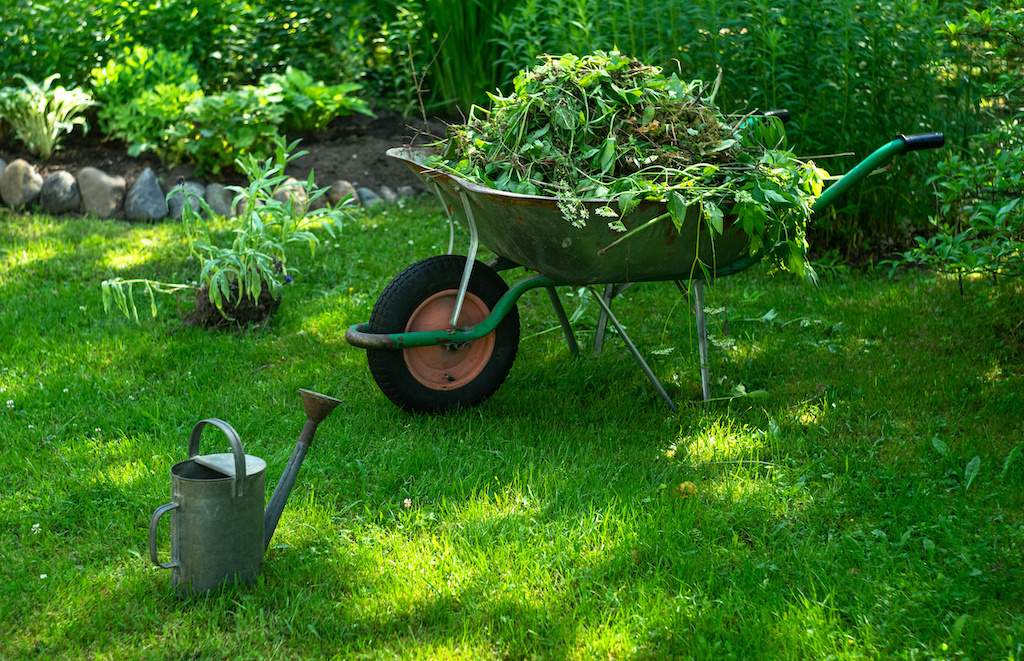
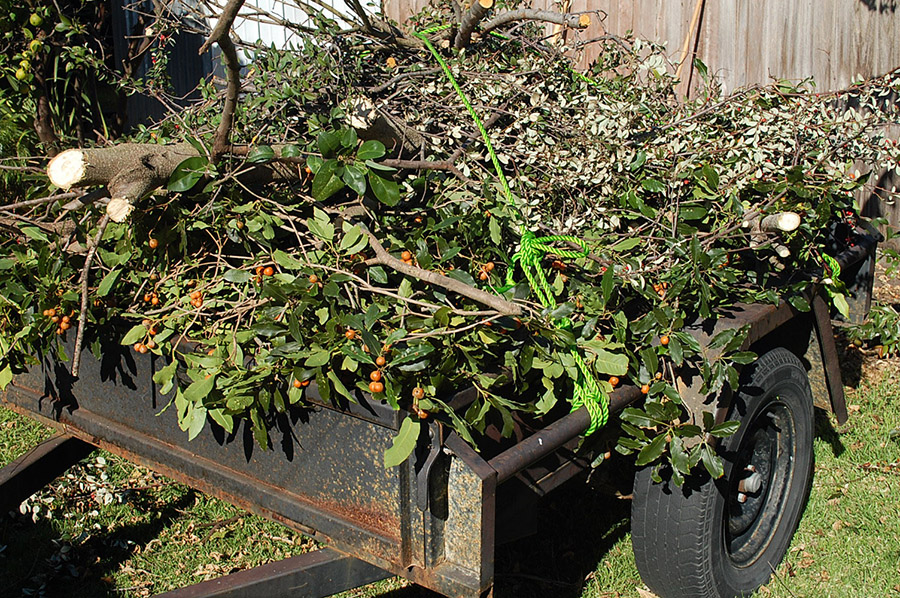
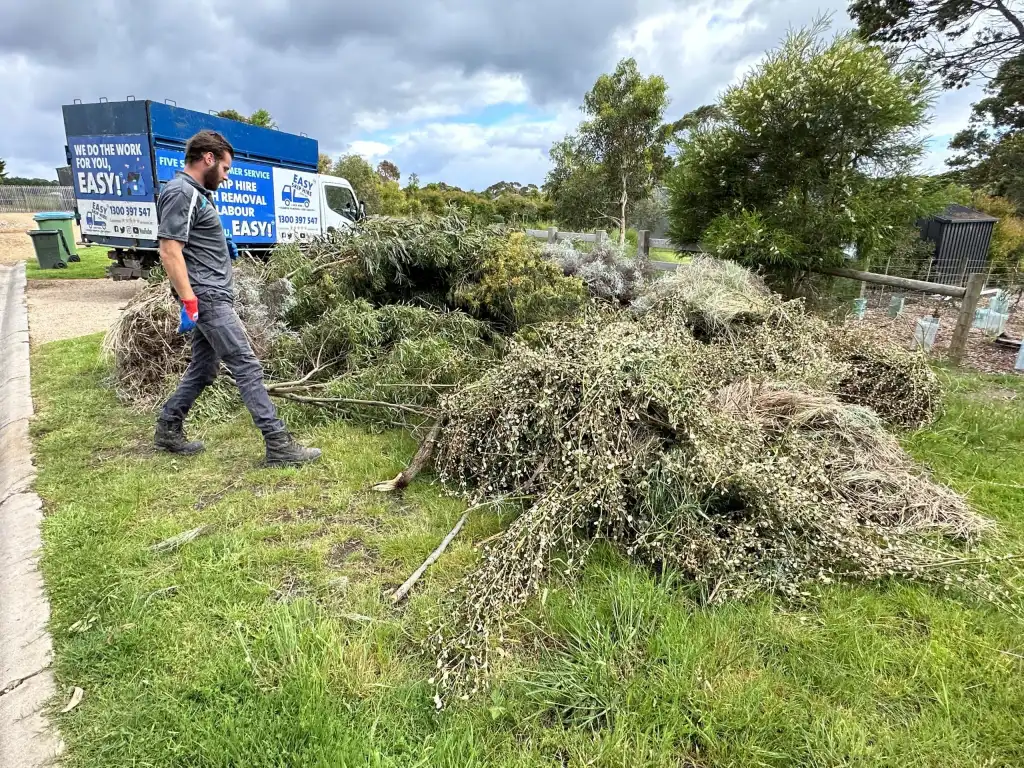
Typically, yes. Most will chip branches, remove logs, rake debris, and leave the area tidy. Some also offer mulch left on-site if the client wants it for gardens. Learn more about disposing of garden waste.
It is worth confirming what “cleanup” means in their quote, especially for leaf litter, sawdust, and access paths. They may also charge extra for large log removal or difficult access.
Do they handle emergency storm damage and fallen trees?
Many offer emergency call-outs after storms, especially for blocked driveways, damaged limbs, and trees on roofs. They may make the site safe first, then return for full removal when conditions allow.
They may also help with temporary risk reduction, such as removing hanging branches. In emergencies, they should prioritise safety and site control over speed.
Can they inspect trees for risk and provide advice?
Yes, some provide basic risk assessments and maintenance recommendations. They may look for signs like deadwood, cracks, leaning, root plate movement, and fungal growth.
For higher-stakes situations, they may suggest an arborist report, particularly if council approval, insurance, or neighbour disputes are involved. A written report is not always part of a standard lopping quote.
Do they work near powerlines and service cables?
They may, but there are strict rules around vegetation near powerlines. In many cases, only appropriately authorised line clearance workers can prune within certain distances of live lines.
A reputable operator should flag hazards and advise whether the job needs a specialist. They should also identify other services like NBN, solar cabling, and private overhead lines.
Do they provide council approval support in Sydney?
Sometimes. Sydney councils may require permits for pruning or removal of protected trees, depending on species, trunk size, and location. They may help identify whether approval is likely needed and what documents to prepare.
They should not promise approval, but they can often guide clients on the process and timing. If a tree is exempt due to dead or dangerous status, they may still recommend evidence like photos. Click here to get why trees located on private land require Council consent to prune or remove.
What should clients expect in a typical quote?
A typical quote usually includes the scope of work, access assumptions, whether waste removal is included, and whether stump grinding is separate. It should also clarify what happens to logs, mulch, and debris.
They should mention constraints like weather, neighbour access, and parking. If the job involves rigging or machinery, the quote should reflect that complexity clearly.
How can they tell if a tree lopper is reputable?
They should be willing to explain their method, not just the price. They usually have appropriate insurance, use modern safety equipment, and provide a clear written quote.
They also tend to avoid “topping” as a default approach and instead discuss pruning goals. If they cannot describe what they will cut and why, clients may want a second opinion.
What is the best way to choose the right service for the job?
It starts with the outcome they need: safety, clearance, aesthetics, or removal. From there, the right service usually becomes obvious, whether that is selective pruning, reduction, or full removal with stump grinding.
They can help match the service to the tree species, condition, and setting. The best results usually come from clear expectations and a scope that prioritises safety and long-term tree health.
FAQs (Frequently Asked Questions)
What services do tree loppers in Sydney typically offer?
Tree loppers in Sydney usually provide a range of services including tree removal, pruning, safety work, ongoing maintenance, hedge trimming, stump grinding, and emergency storm damage response. The exact services depend on factors like the tree’s size, location, risk level, and local regulations.
How is tree lopping different from pruning?
Tree lopping is a broad term often used for cutting back parts of a tree to reduce its size quickly. However, reputable operators prefer terms like pruning, reduction, or removal because these align with better tree care. Pruning is more selective and involves removing targeted branches to improve the tree’s structure, health, clearance, and safety.
Can tree loppers safely remove dangerous trees in tight or high-risk areas?
Yes, experienced Sydney tree loppers can remove dangerous trees even in complex sites such as those overhanging roofs or near power lines. They use advanced rigging techniques, elevated work platforms, or cranes to control drop zones and protect nearby structures. Safety planning is paramount, and sometimes full removal is recommended over heavy cutting if the tree is compromised.
Do Sydney tree loppers provide stump grinding and root removal services?
Stump grinding is commonly offered after tree removal; it involves shredding the stump below ground level to allow replanting or turfing. Root removal is different and not always included because extensive roots can affect paving and underground services. Operators may suggest targeted root cutting instead of full root removal.
Are waste removal and site cleanup included in their services?
Most Sydney tree loppers chip branches, remove logs, rake debris, and leave the area tidy after completing their work. Some also offer to leave mulch on-site for garden use. It’s important to confirm what cleanup entails in the quote since extra charges may apply for leaf litter, sawdust, large logs, or difficult access areas.
Do they assist with council approval processes for tree work in Sydney?
Some operators help clients understand whether council permits are required for pruning or removing protected trees based on species and location. While they cannot guarantee approval, they often guide on documentation preparation and timing. Evidence like photos may be recommended if the tree is dead or dangerous and exempt from permits.
What is Stump Grinding and Full Tree Stump Removal?
Stump grinding uses specialised machinery equipped with a rotating disc and sharp teeth to mechanically grind the visible stump into small wood chips. The grinder reduces the stump to below ground level—typically 10 to 30 centimetres beneath the surface—whilst leaving the root system intact underground to decompose naturally over time.
Full stump removal involves extracting the entire stump along with its root ball from the ground. This labour-intensive process requires digging around the stump’s perimeter, severing major roots with cutting tools, and physically pulling or lifting the complete root system out of the soil.
The fundamental difference between these methods lies in their treatment of underground structures:
Grinding addresses only the visible stump, pulverising it into reusable mulch whilst roots remain buried
Removal eliminates both the stump and root network entirely, leaving a substantial cavity that requires backfilling
Stump grinding operates as a surface-level solution that transforms the problem into a resource—the resulting wood chips can enrich garden beds as organic mulch. The roots left behind pose no regrowth risk, as they lack the energy reserves needed to sprout new growth without the stump’s photosynthetic capacity.
Full removal creates a blank canvas by eradicating all woody remnants. This comprehensive approach demands more aggressive intervention, often requiring excavation equipment for larger stumps. The method suits situations where underground obstructions would interfere with future construction, deep planting, or utility installation.
Why Should Gardeners Remove or Treat Tree Stumps?
Untreated tree stumps create multiple hazards that compromise both garden safety and plant health. Leaving a stump in place invites a cascade of problems that extend far beyond simple aesthetics, making professional tree stump removal Sydney services a smart solution for maintaining a safe and healthy garden.
1. Pest Attraction
Decaying wood becomes an ideal habitat for termites, which can establish colonies numbering in the hundreds of thousands. These insects don’t confine themselves to the stump—they migrate towards wooden structures, fences, and even your home’s foundation. Rodents such as rats and mice burrow beneath stumps, creating nesting sites that position them dangerously close to living spaces. Carpenter ants, wood-boring beetles, and other destructive insects also colonise rotting stumps, multiplying the problems with untreated stumps across your property.
2. Disease Transmission
Fungal pathogens like honey fungus (Armillaria) and root rot can persist in dead stumps for years, spreading through soil to infect nearby healthy trees and shrubs. The fungal spores travel underground via root contact, potentially devastating an entire garden’s plant population. Oak wilt, Dutch elm disease, and other tree-specific infections similarly use stumps as reservoirs, maintaining their presence long after the original tree’s removal.
3. Lawn Maintenance Difficulties
Mowing equipment must navigate around these obstacles, leaving unmown patches that require manual trimming. Stumps hidden by grass growth become collision hazards that damage mower blades and create costly repairs. The irregular terrain makes achieving a uniform lawn appearance nearly impossible.
4. Trip Hazards
Stumps obscured by vegetation or ground cover cause falls that result in injuries ranging from minor scrapes to serious fractures. Property owners may face liability issues if visitors sustain injuries from unmarked stumps.
5. Nutrient Competition
Remaining root systems don’t immediately die—they persist for months or years, actively drawing water and nutrients from surrounding soil. This competition deprives nearby plants, flowers, and grass of essential resources, stunting growth and reducing garden vitality.
How Does Stump Grinding Work and What Are Its Benefits?
The stump grinding process uses a specialised machine equipped with a rotating disc fitted with carbide-tipped teeth that systematically chip away at the stump. The grinder’s operator positions the cutting wheel directly above the stump and gradually lowers it, moving it side to side to shred the wood into fine chips. The machine grinds 15-30 centimetres below ground level, eliminating the visible portion whilst leaving the root system intact beneath the soil to decompose naturally over several years.
1. Minimal Garden Disruption
Stump grinding preserves your existing landscape by avoiding excavation work. The machine typically requires only a metre of clearance to access the stump, making it suitable for gardens with established flowerbeds, pathways, or nearby structures. Unlike full removal methods that create craters requiring backfilling, grinding leaves the surrounding turf and soil structure undisturbed. The ground settles naturally as underground roots decay, requiring only minor top-ups with soil or the wood chips produced during grinding.
2. Time and Labour Efficiency
A professional operator can grind a medium-sized stump in 30-90 minutes, depending on wood hardness and diameter. The process requires minimal manual labour since the machine performs the heavy work:
No digging around the stump perimeter
No root cutting with hand tools
No heavy lifting or pulling equipment needed
Single operator can complete most residential jobs
This efficiency makes scheduling convenient, with many jobs completed in a single morning visit.
3. Cost-Effectiveness Compared to Full Removal
The benefits of stump grinding extend to your wallet. Typical costs range from £60-£150 per stump for residential properties, whilst full removal often exceeds £200-£400 for comparable stumps. The price difference stems from reduced equipment needs, shorter job duration, and simpler site restoration. Grinding eliminates expenses associated with root ball disposal, extensive digging, and landscape repair that full removal demands.
4. Mulch Reuse for Garden Health
The wood chips generated during grinding serve multiple purposes in your garden. A single medium stump produces approximately 0.5-1 cubic metre of chips, which can be:
Spread as organic mulch around trees and shrubs to retain moisture and suppress weeds.
Used as a natural pathway material to enhance aesthetics and prevent mud.
Added to compost piles as a carbon source to improve soil quality.
By repurposing these chips on-site, you promote sustainability while reducing waste disposal costs associated with traditional removal methods.
What Does Full Tree Stump Removal Involve and When Is It Recommended?
Full stump removal process extracts the entire stump and its root ball from the ground, creating a completely clear space. This method requires excavating around the stump, severing major roots, and physically lifting the entire root system out of the soil.
The procedure begins with digging a trench around the stump, typically 30-60 centimetres deep depending on root spread. Arborists use spades, mattocks, or mechanical excavators to expose the root system. Once visible, roots are cut using axes, chainsaws, or root saws. The root ball extraction continues until the stump becomes loose enough to pull from the ground, sometimes requiring winches, chains, or heavy machinery for larger specimens.
The full stump removal process follows these steps:
This approach creates significant landscape disruption. The excavation leaves a substantial hole that requires filling with topsoil and compacting to prevent settling. Garden beds, lawns, and nearby plants may suffer damage from the digging process. Pathways and hardscaping elements close to the stump face potential disturbance.
Landscaping preparation projects benefit most from this method. When planning to install patios, driveways, or building extensions, complete root removal prevents future structural issues. Underground roots can interfere with foundations, drainage systems, and utility lines if left in place.
Replanting in the exact location also demands full removal. Tree roots release chemicals that inhibit new growth, a phenomenon called allelopathy. Removing the entire root system eliminates this competition and allows fresh plants to establish without obstruction. Gardens requiring immediate replanting of large trees or shrubs in the same spot need this thorough clearance.
Full removal proves essential for:
Construction projects requiring deep excavation
Installing swimming pools or water features
Creating new planting beds where stumps occupied premium locations
Addressing stumps with diseased or infected root systems that threaten nearby vegetation.
Which Method Is More Cost-Effective for Residential Gardens?
Stump grinding consistently proves more economical for residential gardens, typically costing 30-60% less than full removal. The price difference stems from reduced equipment requirements, shorter completion times, and minimal labour intensity.
Equipment and Labour Cost Analysis
Stump grinding requires only a single specialised machine operated by one or two professionals. The grinder itself is relatively compact and can access most residential properties without additional heavy machinery. Most grinding jobs complete within 1-3 hours depending on stump size, translating to lower labour charges. The straightforward nature of grinding—positioning the machine and methodically reducing the stump to chips—keeps residential garden expenses manageable for homeowners on typical budgets.
Full removal demands substantially more resources. Professionals need excavation tools, potentially a mini-digger for larger stumps, root-cutting equipment, and sometimes lifting machinery to extract the entire root ball. The process often requires 3-6 hours or more, with multiple workers digging, cutting, and hauling away the stump and roots. This extended timeline and crew size directly increase labour costs.
Hidden Costs in Full Removal
The cost comparison stump grinding vs removal extends beyond the initial service fee. Full removal creates a significant void requiring backfill material—topsoil, compost, or imported earth—adding £50-150 to the project. Homeowners must also factor in potential damage to surrounding lawn areas, pathways, or irrigation systems from heavy machinery access, which may necessitate repairs.
Stump grinding produces wood chips that serve as free mulch, eliminating disposal costs and providing value for garden beds. Full removal generates substantial waste requiring professional disposal, with fees ranging from £80-200 depending on root system size and local waste management charges.
When Higher Costs Justify Full Removal
Despite the premium price, certain scenarios warrant the investment in complete extraction:
Building projects where foundations or hardscaping require complete underground clearance
Replanting large trees in the exact location, as decaying roots can interfere with new growth
Installing underground utilities such as irrigation lines or drainage systems
Addressing diseased stumps where infected roots could contaminate soil for years
For standard residential gardens.
How Do Garden Size and Layout Influence the Choice Between Grinding and Removal?
Impact of Garden Layout on Stump Removal Choice
The layout of a garden plays a significant role in deciding whether to grind or remove a stump. This decision is heavily influenced by the available space and the existing features in the landscape. In compact gardens where there are established flower beds, pathways, or ornamental elements, stump grinding is usually the better option. This is because stump grinding requires minimal access space and can be done without causing damage to the surrounding plants.
Stump grinders have the ability to navigate tight corners and work in confined areas without disturbing other elements in the garden. The size of the machine is relatively small, which makes it perfect for urban gardens where every square metre is valuable. Grinding also helps maintain the condition of nearby lawns, borders, and hardscaping since it doesn’t involve any digging or heavy machinery that could compact the soil or harm underground utilities.
Space Considerations
When evaluating delicate garden designs, such as Japanese gardens or cottage gardens with dense planting schemes, space becomes an important factor. These types of gardens benefit from the precision of grinding as it avoids any disruption caused by digging equipment. This protects the root systems of neighbouring plants and ensures that established drainage patterns are maintained.
On the other hand, larger gardens with open layouts present different opportunities. Properties that are undergoing complete redesigns, preparing for new construction projects, or clearing land for swimming pools or extensions may find full stump removal justified. The extra space available allows machinery to operate freely and any resulting holes become less problematic when extensive landscaping changes are planned.
Gardens that are planned for major transformations—such as converting a lawn into a patio, installing garden rooms, or creating new planting zones—often require complete root extraction. This approach prevents future complications when digging foundations or installing underground features. Any root remnants left behind from grinding could interfere with new construction or cause uneven settling in freshly laid surfaces.
Access Routes Matter Significantly
The accessibility of a garden is also an important factor to consider. Gardens that can only be reached through narrow side passages or gated entries may physically prevent large excavation equipment from entering. In such cases, grinding becomes the only viable option regardless of personal preference.
Properties with multiple stumps located close together require careful assessment. Grinding several stumps in proximity leaves behind an extensive underground root network that may complicate future deep planting or soil cultivation, even though it may not cause any harm. On the other hand, removal provides clearer ground for ambitious replanting schemes or vegetable gardens that require deep soil preparation.
In summary, both garden size and layout play crucial roles in determining whether grinding or removal is the best choice for stump treatment. Understanding these factors can help homeowners make informed decisions about their landscaping plans while minimising disruption to their outdoor spaces.
What Role Do Stump Size and Root Spread Play in Choosing a Method?
1. Stump Size Considerations
The size of the stump is an important factor in deciding which removal method is practical and cost-effective. For small to medium stumps (under 30cm in diameter), grinding is usually the best option as it can be done quickly and efficiently within an hour.
However, larger stumps (over 60cm in diameter) present different challenges. The grinding process for these stumps takes much longer, requires multiple passes with heavy-duty equipment, uses more fuel and causes more wear on the blades. For example, a mature oak or sycamore stump may take 3-4 hours to grind completely, which can make the costs closer to full removal prices while still leaving the roots underground.
2. Root System Impact on Method Choice
When dealing with tree species known for having aggressive root networks, the choice of method becomes critical based on the root system’s impact. Trees like willows, poplars, and silver maples have extensive lateral roots that spread 2-3 times the width of their canopy.
In such cases, grinding only addresses the visible stump and leaves these sprawling roots intact beneath lawns and flower beds. This can lead to various problems such as:
Subsidence risks near patios, driveways, or building foundations as the roots decay unevenly
Regrowth potential from dormant buds on certain species like elm or cherry
Interference with future planting plans or underground utilities
Prolonged decomposition taking 5-10 years for large root systems
3. Deep Taproots Consideration
Another aspect to consider when making a decision is the presence of deep taproots. Species such as walnut, hickory, and pine have primary roots that extend 1.5-2 metres downward.
Stump grinders typically reach only 20-30cm below ground level, which means that substantial portions of these taproots will remain untouched after grinding. This can be problematic for properties with shallow soil over bedrock where reaching deeper roots becomes difficult.
4. The Influence of Stump Age and Condition
The age and condition of the stump also play a role in how effective grinding will be. Fresh stumps tend to have high moisture content, which causes the wood fibres to tear instead of being cut cleanly by the grinder blades.
This results in stringy material that is difficult to process and less suitable for reuse as mulch. On the other hand, waiting 6-12 months allows some drying out of the stump but delays any restoration work in your garden.
Conversely, if you have left stumps standing for several years already they may have started rotting which could actually speed up the grinding process but might also spread fungal spores throughout your garden area.
When Should Homeowners Consult an Arborist About Their Stump Removal Needs?
Seeking professional arborist consultation benefits homeowners facing complex stump situations or uncertainty about the best approach. An experienced arborist can assess your specific garden conditions, evaluate the stump’s characteristics, and recommend the most suitable method based on your long-term plans.
Professional evaluation becomes particularly valuable when dealing with stumps near structures, underground utilities, or established garden features. Arborists possess specialised knowledge to identify potential risks that untrained eyes might miss. They can detect signs of disease or pest infestation that could spread to healthy plants if not properly addressed during removal.
Homeowners planning significant landscape changes should schedule consultations before making removal decisions. An arborist can explain how each method aligns with your future garden vision. If you’re planning to install a patio, shed, or new planting bed where the stump sits, they’ll advise whether grinding leaves sufficient clearance or if full removal provides better groundwork.
Garden owners uncertain about stump size and root extent benefit from professional assessment tools. Arborists use specialised equipment and techniques to estimate underground root spread without excavation. This information proves crucial for accurate cost estimates and method selection.
Protected or heritage tree species with legal considerations
Stumps in areas with poor drainage or soil stability issues
Arborists also provide valuable guidance on timing. They can recommend optimal seasons for stump treatment based on local climate, soil conditions, and your garden’s planting schedule. This expertise helps prevent unnecessary damage to surrounding vegetation and ensures efficient completion.
The cost of professional consultation typically represents a small fraction of potential expenses from choosing the wrong method. Arborists can identify complications early, preventing costly mistakes or property damage during the removal process.
How Do Both Methods Affect Long-Term Garden Health and Aesthetics?
Do both stump grinding and full removal improve garden health equally?
Yes, both methods effectively eliminate the stump and prevent regrowth, directly benefiting garden health post-stump treatment. Grinding stops nutrient competition from decaying roots whilst allowing natural decomposition underground. Full removal completely eradicates the root system, preventing any potential disease transmission to nearby plants.
What happens to the soil after each treatment method?
Stump grinding leaves roots to decompose naturally, gradually enriching the soil with organic matter over 3-7 years. The wood chips produced can be spread as mulch, retaining moisture and suppressing weeds around garden beds. Full removal creates an immediate void requiring backfill with topsoil, allowing instant replanting but initially disrupting soil structure and beneficial microorganisms in the surrounding area.
How does each method impact visual appeal and usability?
The aesthetic outcomes of stump removal methods differ significantly in immediate results. Grinding produces a level surface within hours, blending seamlessly with existing lawn or garden beds. The area becomes usable for foot traffic, mowing, or light planting immediately. Full removal leaves a conspicuous crater requiring filling and levelling, though it provides complete clearance for hardscaping projects like patios or foundations.
Which method better supports future planting plans?
Grinding suits ornamental gardens where surface-level planting continues, as shallow-rooted flowers and shrubs thrive above decomposing roots. Deep-rooted trees or vegetables requiring extensive root development benefit from full removal’s clean slate. The choice between Stump Grinding vs. Full Tree Stump Removal – Which is Best for Your Garden? ultimately depends on whether you’re maintaining existing landscaping or redesigning completely.
Can either method cause long-term problems?
Both methods prevent stump-related issues like pest harbourage and trip hazards permanently. Grinding occasionally allows fungal growth on buried roots, though this rarely affects garden health and ceases once decomposition completes. Full removal risks damaging underground utilities or nearby tree roots during excavation if not performed carefully by professionals.