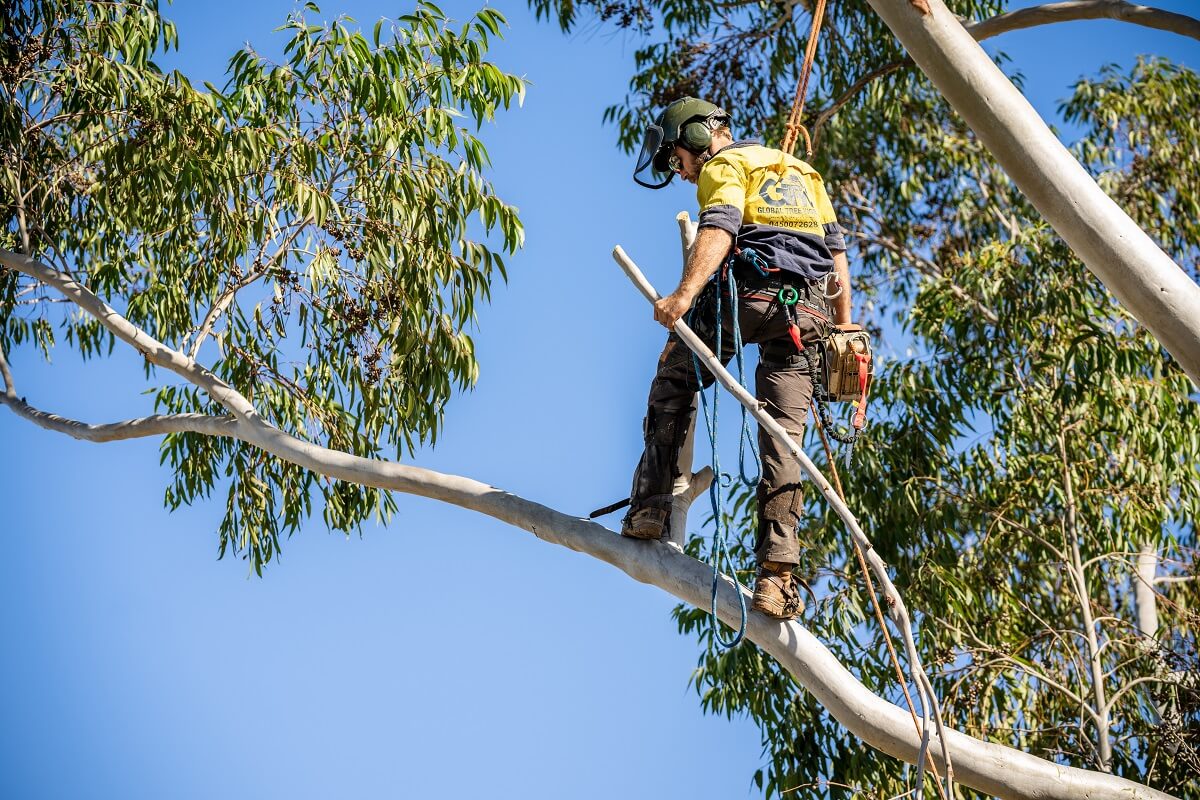
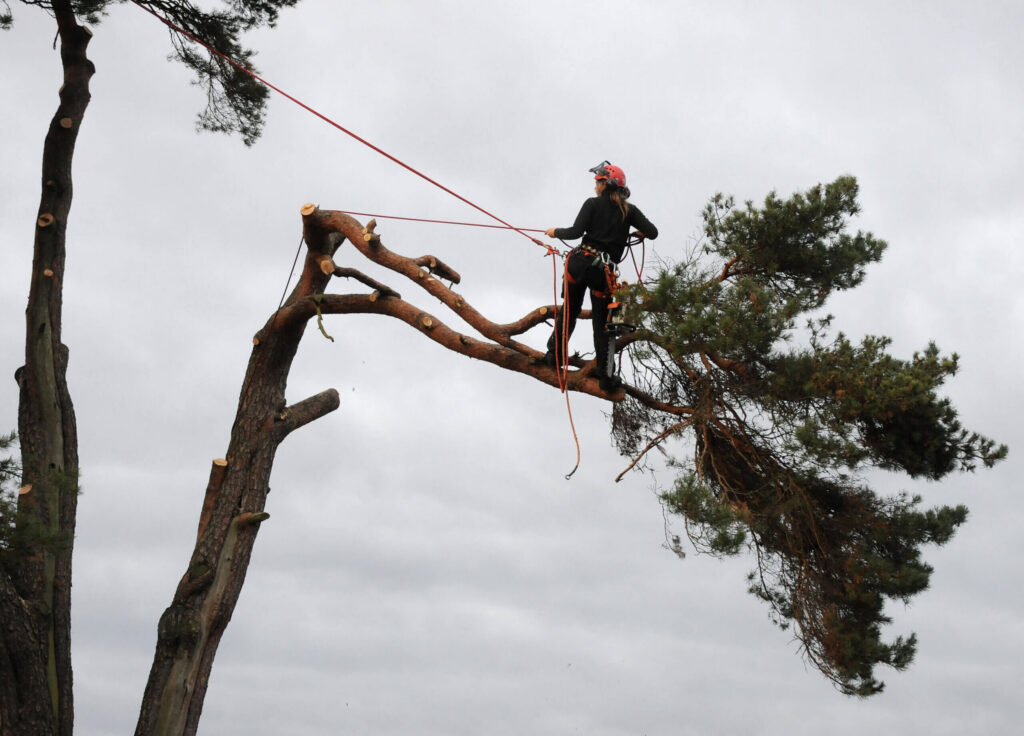
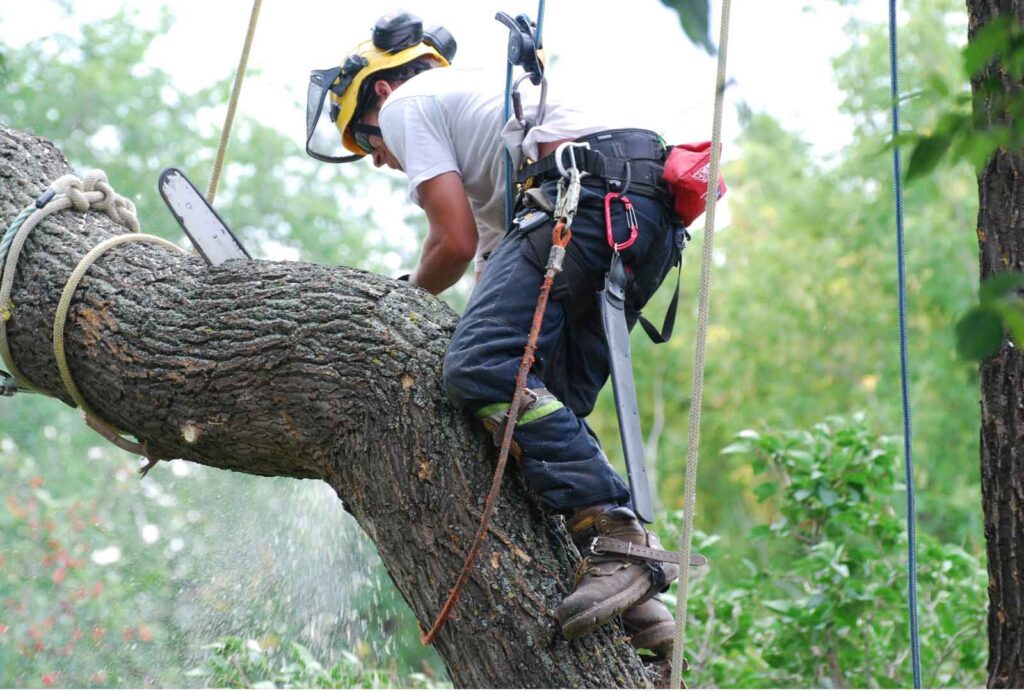
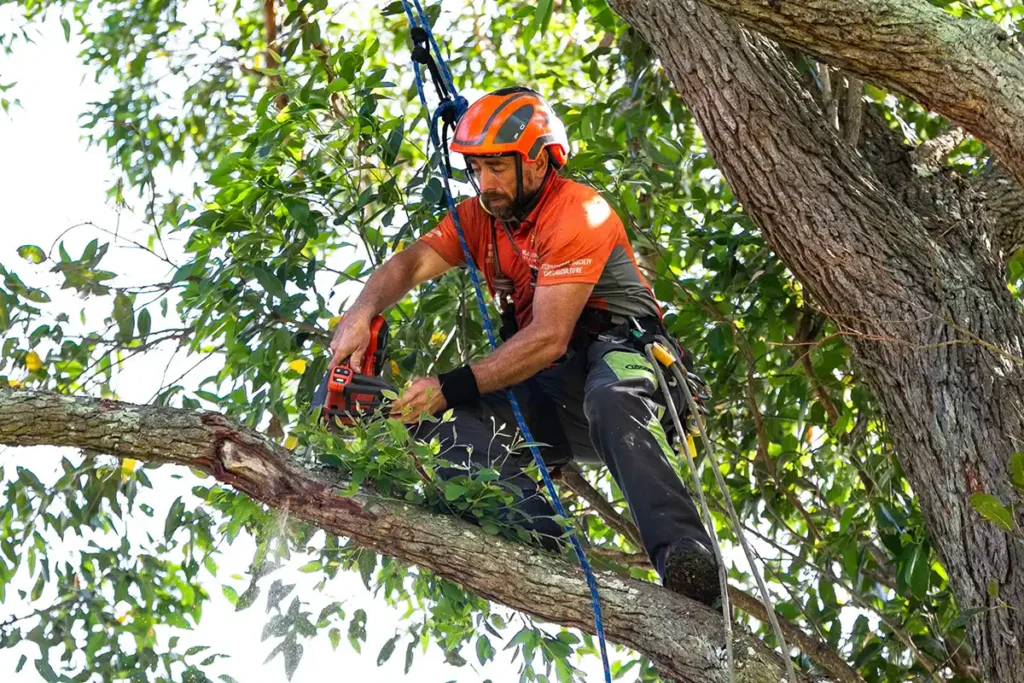
Tree loppers in Sydney usually offer a mix of tree removal, pruning, safety work, and ongoing maintenance. The exact services depend on the tree’s size, location, risk level, and any local rules that apply.
This guide breaks down what they typically do, what each service is for, and what to ask for when booking.
What is tree lopping, and how is it different from pruning?
The tree loppers Sydney typically refers to cutting back parts of a tree, often to reduce size quickly. In practice, reputable operators tend to describe their work as pruning, reduction, or removal, because those terms are clearer and align with better tree care.
Pruning is more selective. They remove targeted branches to improve structure, health, clearance, and safety.
Do they offer full tree removal services?
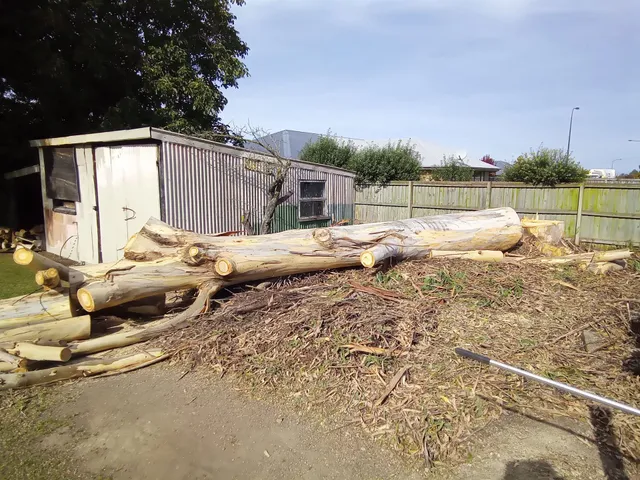
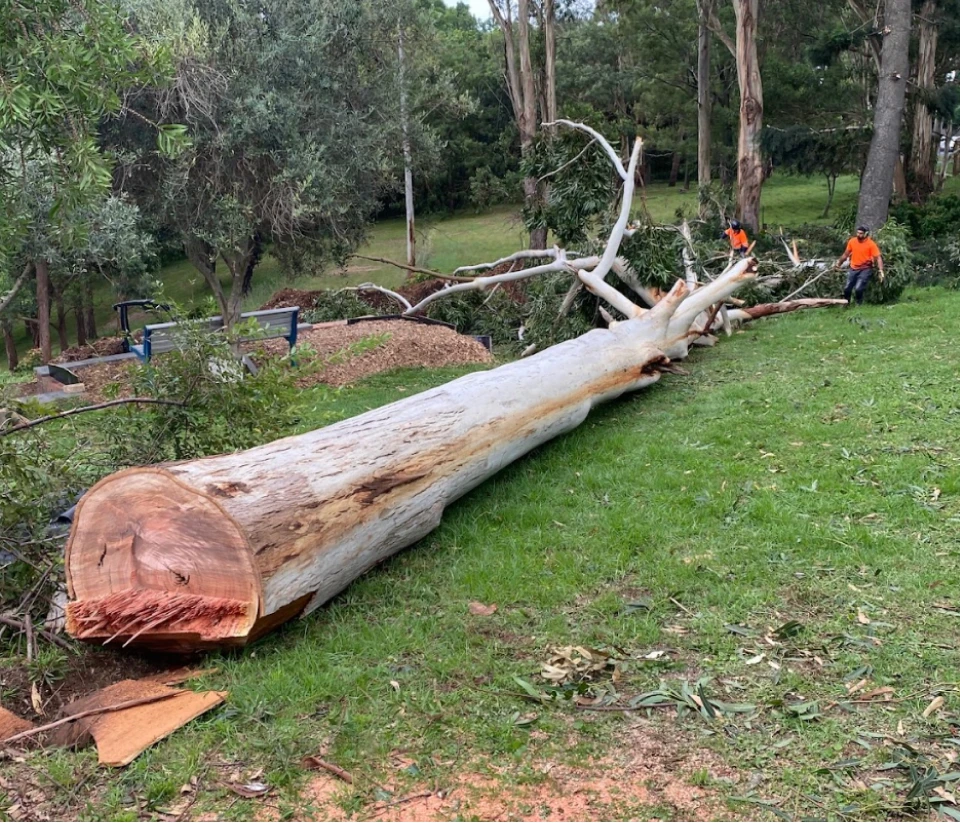
Yes, full tree removal is one of the most common services. They typically remove trees that are dead, dangerous, storm damaged, structurally unsound, or in the wrong place for buildings and services.
Removal can include sectional dismantling, where they take the tree down in pieces using rigging. This is common in tight Sydney backyards and near fences, roofs, and power lines. You may also checkout about signs that when your tree needs immediate tree lopping on https://beplantwise.org/7-signs-your-tree-needs-immediate-tree-lopping.
Can they remove dangerous trees in tight or high-risk spaces?
They often can, but the approach changes when the site is complex. For trees overhanging roofs, close to neighbours, or near traffic, they may use advanced rigging, elevated work platforms, or cranes.
They should also control drop zones, protect structures, and plan safe lowering points. In riskier jobs, they may recommend removal over heavy cutting if the tree is already compromised.
What types of pruning do they usually provide?
Most Sydney tree loppers offer several pruning options depending on the goal. Common types include crown cleaning (removing deadwood), crown thinning (reducing density), and crown reduction (reducing overall size).
They also prune for clearance around roofs, gutters, driveways, and pathways. Good pruning aims to keep the tree stable and balanced, not just smaller.
Do they provide hedge trimming and shaping?
Yes, many offer hedge trimming as a standard add-on. This can include basic height reduction, face trimming, and shaping for privacy hedges and formal hedges.
They may also advise on how often to trim based on species and growth rate. Regular hedge work can prevent heavy cuts that stress plants and make them look patchy.
Can they grind stumps and remove roots?
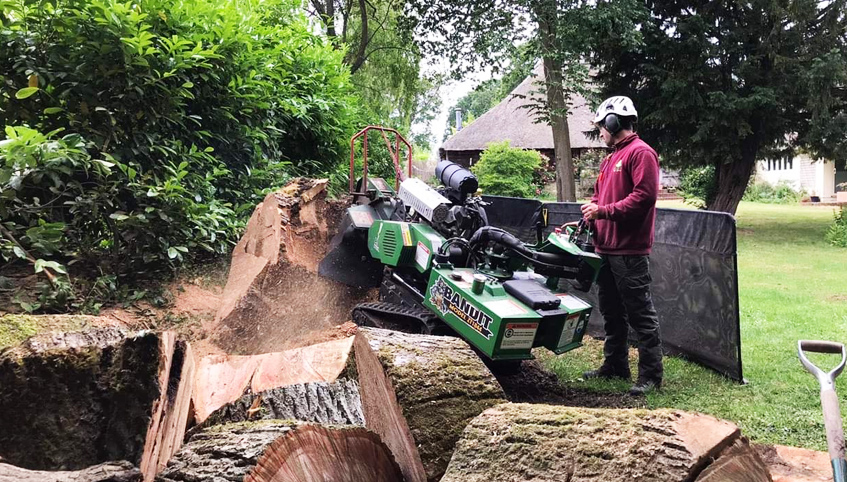
Stump grinding is a common service after tree removal. They use a stump grinder to shred the stump below ground level, usually enough to allow turfing or replanting in that spot.
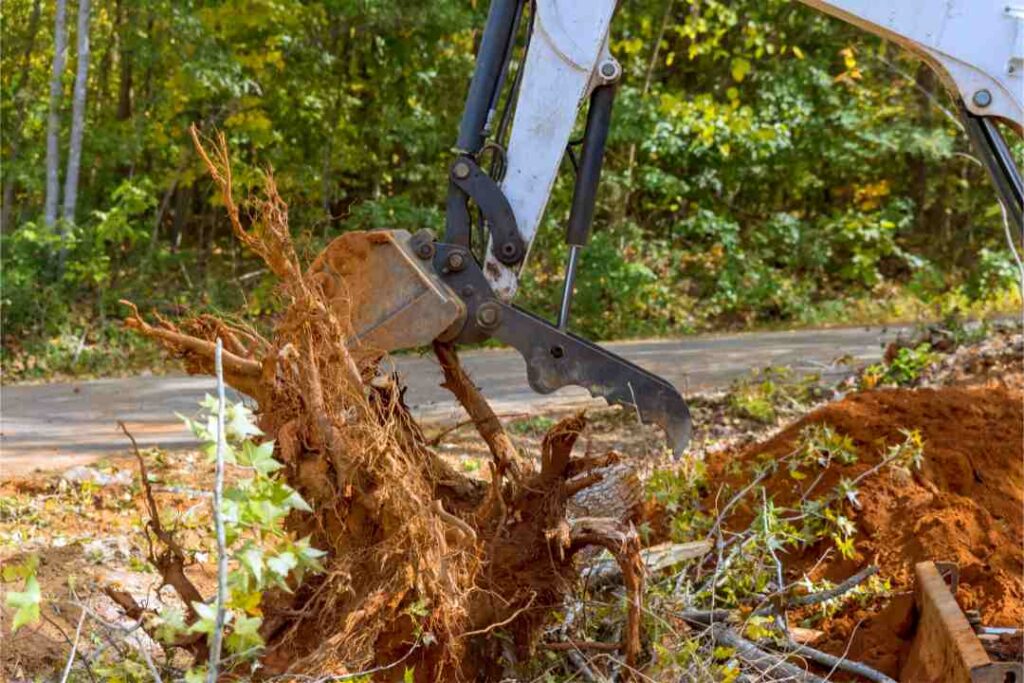
Root removal is different and not always included, because extensive root systems can affect paving, retaining walls, and underground services. They may recommend targeted root cutting instead.
Do they remove green waste and clean up the site?
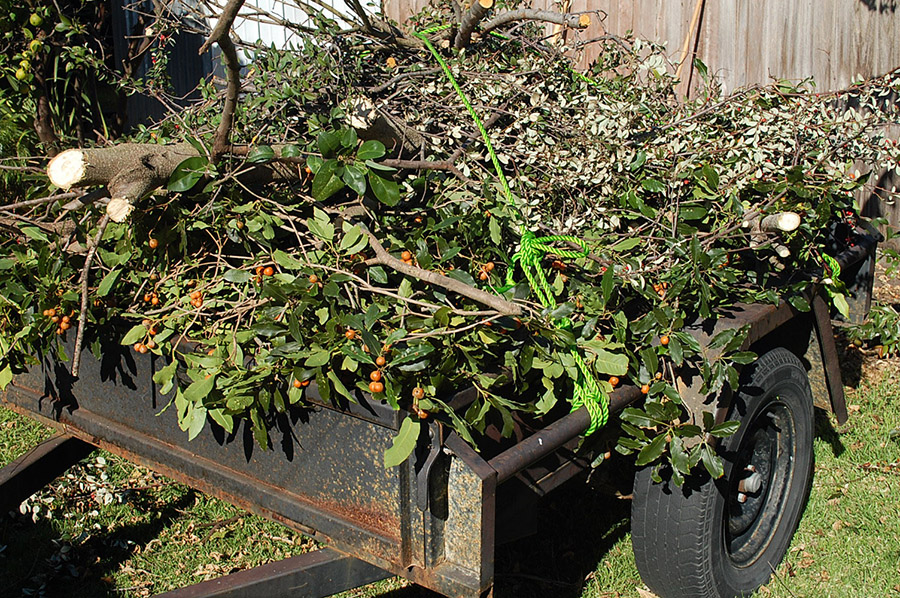
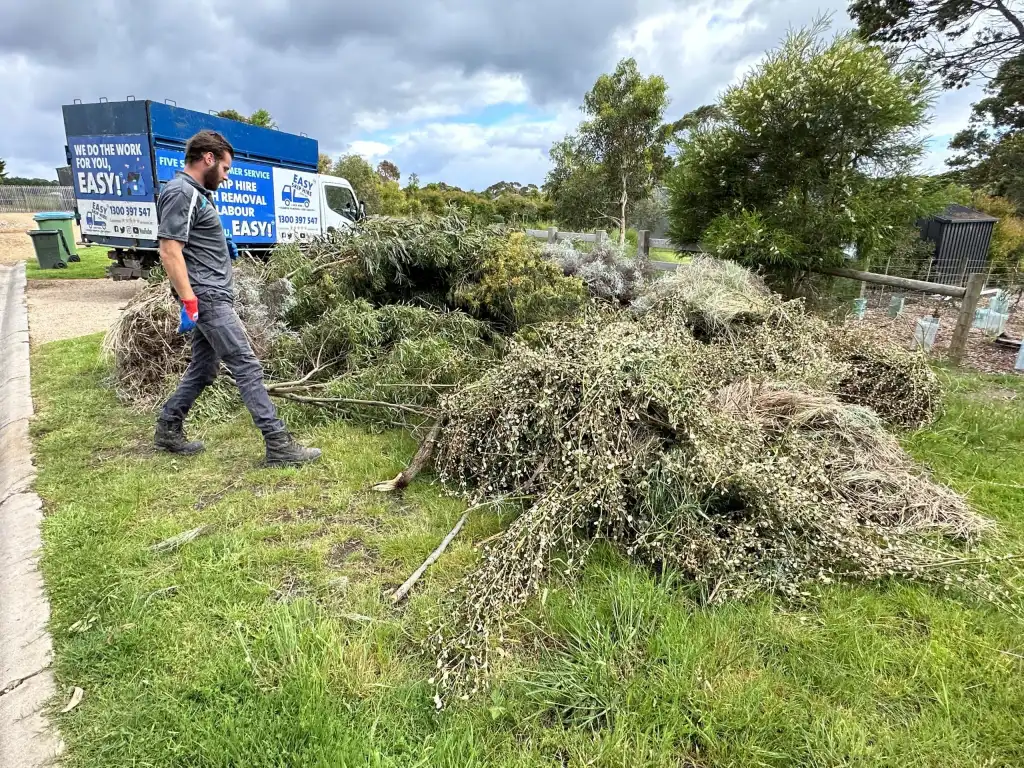
Typically, yes. Most will chip branches, remove logs, rake debris, and leave the area tidy. Some also offer mulch left on-site if the client wants it for gardens. Learn more about disposing of garden waste.
It is worth confirming what “cleanup” means in their quote, especially for leaf litter, sawdust, and access paths. They may also charge extra for large log removal or difficult access.
Do they handle emergency storm damage and fallen trees?
Many offer emergency call-outs after storms, especially for blocked driveways, damaged limbs, and trees on roofs. They may make the site safe first, then return for full removal when conditions allow.
They may also help with temporary risk reduction, such as removing hanging branches. In emergencies, they should prioritise safety and site control over speed.
Can they inspect trees for risk and provide advice?
Yes, some provide basic risk assessments and maintenance recommendations. They may look for signs like deadwood, cracks, leaning, root plate movement, and fungal growth.
For higher-stakes situations, they may suggest an arborist report, particularly if council approval, insurance, or neighbour disputes are involved. A written report is not always part of a standard lopping quote.
Do they work near powerlines and service cables?
They may, but there are strict rules around vegetation near powerlines. In many cases, only appropriately authorised line clearance workers can prune within certain distances of live lines.
A reputable operator should flag hazards and advise whether the job needs a specialist. They should also identify other services like NBN, solar cabling, and private overhead lines.
Do they provide council approval support in Sydney?
Sometimes. Sydney councils may require permits for pruning or removal of protected trees, depending on species, trunk size, and location. They may help identify whether approval is likely needed and what documents to prepare.
They should not promise approval, but they can often guide clients on the process and timing. If a tree is exempt due to dead or dangerous status, they may still recommend evidence like photos. Click here to get why trees located on private land require Council consent to prune or remove.
What should clients expect in a typical quote?
A typical quote usually includes the scope of work, access assumptions, whether waste removal is included, and whether stump grinding is separate. It should also clarify what happens to logs, mulch, and debris.
They should mention constraints like weather, neighbour access, and parking. If the job involves rigging or machinery, the quote should reflect that complexity clearly.
How can they tell if a tree lopper is reputable?
They should be willing to explain their method, not just the price. They usually have appropriate insurance, use modern safety equipment, and provide a clear written quote.
They also tend to avoid “topping” as a default approach and instead discuss pruning goals. If they cannot describe what they will cut and why, clients may want a second opinion.
What is the best way to choose the right service for the job?
It starts with the outcome they need: safety, clearance, aesthetics, or removal. From there, the right service usually becomes obvious, whether that is selective pruning, reduction, or full removal with stump grinding.
They can help match the service to the tree species, condition, and setting. The best results usually come from clear expectations and a scope that prioritises safety and long-term tree health.
FAQs (Frequently Asked Questions)
What services do tree loppers in Sydney typically offer?
Tree loppers in Sydney usually provide a range of services including tree removal, pruning, safety work, ongoing maintenance, hedge trimming, stump grinding, and emergency storm damage response. The exact services depend on factors like the tree’s size, location, risk level, and local regulations.
How is tree lopping different from pruning?
Tree lopping is a broad term often used for cutting back parts of a tree to reduce its size quickly. However, reputable operators prefer terms like pruning, reduction, or removal because these align with better tree care. Pruning is more selective and involves removing targeted branches to improve the tree’s structure, health, clearance, and safety.
Can tree loppers safely remove dangerous trees in tight or high-risk areas?
Yes, experienced Sydney tree loppers can remove dangerous trees even in complex sites such as those overhanging roofs or near power lines. They use advanced rigging techniques, elevated work platforms, or cranes to control drop zones and protect nearby structures. Safety planning is paramount, and sometimes full removal is recommended over heavy cutting if the tree is compromised.
Do Sydney tree loppers provide stump grinding and root removal services?
Stump grinding is commonly offered after tree removal; it involves shredding the stump below ground level to allow replanting or turfing. Root removal is different and not always included because extensive roots can affect paving and underground services. Operators may suggest targeted root cutting instead of full root removal.
Are waste removal and site cleanup included in their services?
Most Sydney tree loppers chip branches, remove logs, rake debris, and leave the area tidy after completing their work. Some also offer to leave mulch on-site for garden use. It’s important to confirm what cleanup entails in the quote since extra charges may apply for leaf litter, sawdust, large logs, or difficult access areas.
Do they assist with council approval processes for tree work in Sydney?
Some operators help clients understand whether council permits are required for pruning or removing protected trees based on species and location. While they cannot guarantee approval, they often guide on documentation preparation and timing. Evidence like photos may be recommended if the tree is dead or dangerous and exempt from permits.
Are there scratching, scurrying, or chewing sounds at night?
If they can hear movement in walls, ceilings, or under floors, it often means rodents are actively nesting. Night-time noise is especially common because rats and mice are typically more active after dark.
Sounds that repeat most nights, move between rooms, or intensify near the kitchen, roof void, or garage usually indicate more than a single animal.
Are droppings showing up in cupboards, drawers, or along skirting boards?
Fresh droppings are one of the most reliable signs of an active rodent problem and often indicate the need for rodent removal Sydney services. They tend to appear where rodents travel, feed, and nest, such as behind appliances, in pantry corners, or under sinks.
If droppings reappear after cleaning, the infestation is ongoing. If they are finding droppings near food storage or preparation areas, they should treat it as urgent due to contamination risk and consider professional rodent removal Sydney assistance.
Is there a strong, musky smell that will not go away?
A persistent ammonia-like or musky odour can signal rodents, especially in enclosed areas like roof spaces and wall cavities. The smell may come from urine, nesting material, or hidden dead rodents.
If the odour becomes stronger over time or concentrates in one part of the home, it often means there is an established nest nearby.
Are there greasy rub marks or dirty smears on walls and edges?
Rodents commonly follow the same routes along walls and tight edges. Over time, their fur and skin oils leave dark rub marks, especially near corners, pipe entries, and behind bins or fridges.
If they see fresh smears alongside droppings or gnawing, it suggests regular traffic. That is a strong sign they need professional rodent removal in Sydney rather than DIY baiting alone.
Are there chew marks on wiring, timber, or food packaging?
Rodents gnaw constantly to keep their teeth worn down. Chewed packaging, notches in skirting boards, or shredded stored items are common early warnings.
Chewed electrical wiring is an emergency. It raises the risk of short circuits and fire, and it also indicates rodents are travelling through hidden spaces where DIY control is least effective.
Have they found nests made from shredded paper, insulation, or fabric?
If they discover a nest, the problem is already established. Rats and mice build nests in warm, sheltered places such as roof voids, wall cavities, under baths, inside stored boxes, or behind appliances.
Nesting material often includes shredded paper, insulation, cloth, and plant matter. If they find nesting signs in multiple locations, there may be more than one nest.
Are pets acting unusually interested in one wall, cupboard, or corner?
Dogs and cats often notice rodents before people do. If pets repeatedly scratch at a specific spot, stare at a wall, or sniff under appliances, they may be tracking movement or scent.
This sign is most meaningful when paired with noise, droppings, or smells. If the pet behaviour escalates suddenly, it may indicate recent activity or a new entry point.
Are there sightings during the day, or more than one sighting in a week?
A single sighting can still mean a bigger issue, but daytime activity often suggests the infestation is heavy. Rodents usually stay hidden unless competition for food and space forces them out.
If they are seeing rats or mice more than once a week, or in multiple areas of the property, they should assume the colony is established and call a rodent exterminator in Sydney immediately.
Is there damage around doors, vents, pipes, or roof lines?
Rodents only need small gaps to enter. Mice can squeeze through very small holes, while rats exploit larger gaps around broken vents, warped doors, pipe penetrations, and roof eaves.
If they notice new holes, gnawed edges, disturbed insulation, or signs around the roofline, it suggests entry is active. Without sealing and targeted control, the problem typically returns even after baiting.
Is food disappearing, or are there bite marks in fruit, bread, or pet food?
Rodents often feed at night and leave subtle evidence: torn packets, missing crumbs, or partially eaten fruit. Pet food left out overnight is a common target and can keep an infestation going.
If they suspect rodents are feeding from pantry shelves, bins, or pet bowls, it is a sign the rodents feel safe inside the home and have established routes.
Are they relying on DIY baits and traps but activity keeps returning?
If traps catch one or two rodents but the signs continue, there is usually more going on. Common reasons include multiple entry points, bait shyness, poor placement, or nests in inaccessible voids.
A professional rodent exterminator in Sydney can identify routes, nesting sites, and the species involved, then apply a plan that combines removal, monitoring, and exclusion.
What should they do immediately while waiting for a rodent exterminator in Sydney?
They should act quickly to reduce risk and stop feeding opportunities, but avoid unsafe shortcuts. The goal is to limit spread, protect food, and preserve evidence for the technician to assess.
They should:
Store all food in sealed containers and clean crumbs and spills.
Remove rubbish nightly and keep bins sealed.
Stop leaving pet food out overnight.
Avoid handling droppings without gloves and a proper clean-up approach.
Note where droppings, sounds, and sightings occur to help pinpoint activity.
Avoid blocking holes without assessment if they suspect rodents may be trapped inside walls.
When is rodent removal in Sydney an urgent health or safety issue?
It becomes urgent when there is contamination risk, electrical danger, or vulnerable occupants. Rodents can spread bacteria through droppings and urine, and they can worsen allergies and asthma through dander and nesting debris.
They should treat it as urgent if there are droppings in the kitchen, children’s areas, or food storage, or if they suspect chewed wiring, a dead rodent smell, or repeated daytime sightings. You may like to visit https://www.betterhealth.vic.gov.au/health/conditionsandtreatments/leptospirosis to learn more about Leptospirosis.
How can they reduce the chance of rodents coming back after treatment?
Long-term success usually depends on exclusion and hygiene, not just removal. If entry points remain open, rodents can return quickly, especially in cooler months or after heavy rain.
They should focus on:
Sealing gaps around pipes, vents, and doors with rodent-proof materials.
Keeping gardens trimmed away from walls and roof access points.
Storing pet food and bird seed in sealed tubs.
Maintaining clean, dry storage areas and reducing clutter.
Scheduling follow-up checks if activity has been heavy or ongoing.
Conclusion: do they need a rodent exterminator in Sydney right now?
If they are noticing droppings, night noises, gnawing, strong odours, nests, or repeat sightings, they likely need rodent removal in Sydney immediately. Rodents rarely leave on their own, and the damage and health risk tend to grow over time.
The fastest path to a clean, safe home is a professional inspection, targeted extermination, and proper proofing to stop re-entry.
FAQs (Frequently Asked Questions)
What are the common signs that indicate a rodent infestation in a Sydney property?
Common signs include scratching, scurrying, or chewing sounds at night; fresh droppings in cupboards or along skirting boards; a persistent musky or ammonia-like odour; greasy rub marks on walls and edges; chew marks on wiring, timber, or food packaging; nests made from shredded paper or insulation; unusual pet behaviour focusing on specific areas; sightings during the day or frequent sightings within a week; damage around doors, vents, pipes, or roof lines; and missing food or bite marks on fruit, bread, or pet food.
Why is it important to contact a professional rodent exterminator in Sydney immediately upon noticing signs of rodents?
Rodents breed rapidly, spread harmful germs, and cause costly damage. Professional exterminators can accurately identify entry points, nesting sites, and species involved. They apply comprehensive plans combining removal, monitoring, and exclusion to effectively eliminate infestations and prevent recurrence. DIY methods often fail due to hidden nests and multiple entry points.
What immediate actions should I take while waiting for a rodent exterminator in Sydney?
You should act quickly to reduce risks by storing all food in sealed containers, cleaning crumbs and spills promptly, removing rubbish nightly with sealed bins, stopping leaving pet food out overnight, avoiding direct handling of droppings without gloves and proper cleaning methods, noting locations of droppings, sounds and sightings to assist the technician, and refraining from blocking holes without assessment to avoid trapping rodents inside walls.
How can I tell if rodents have established nests inside my home?
Signs of established nests include finding shredded paper, insulation, fabric or plant matter used as nesting material in warm sheltered places such as roof voids, wall cavities, under baths, inside stored boxes or behind appliances. A strong musky smell that doesn’t go away and intensifies over time often indicates an active nest nearby.
What risks do chewed electrical wires pose in a rodent infestation?
Chewed electrical wiring is an emergency because it increases the risk of short circuits and fire hazards. It also indicates rodents are travelling through hidden spaces where DIY control is least effective. Immediate professional intervention is necessary to prevent safety issues.
When does rodent removal become an urgent health or safety issue in Sydney properties?
Rodent removal becomes urgent when there are signs of widespread infestation such as frequent daytime sightings indicating heavy activity; presence of chewed electrical wiring posing fire risks; contamination near food preparation areas evidenced by droppings; strong persistent odours suggesting hidden nests; or when DIY control methods fail yet activity continues. Prompt professional intervention is essential to protect health and property.
In the wake of a humid summer or a sudden Sydney East Coast Low, the majestic Eucalyptus—our iconic gum tree—can transform from a backyard centerpiece into a significant liability. While these trees are evolutionarily designed to shed limbs, internal decay often hides behind a facade of healthy green leaves.
Identifying whether a tree is structurally sound or a “widow-maker” waiting for the next gust of wind is critical for Sydney homeowners. This guide breaks down the clinical signs of internal decay, ensuring you can distinguish between natural shedding and high-risk structural failure.
Sydney’s unique climate, characterized by sandy soils in the east and heavy clays in the west, creates specific stressors for Eucalyptus species. A “dangerous” tree isn’t just one that looks dead; often, the most hazardous trees are those with full canopies but compromised root systems or hollowed trunks.
Internal decay is usually caused by wood-decay fungi that break down lignin and cellulose, the structural “rebar” of the tree. When the internal heartwood rots, the tree loses its ability to withstand the lateral load of high winds, leading to catastrophic failure.
1. Fungal Brackets and Mushrooms at the Base
One of the most definitive signs of internal decay is the presence of fungal brackets (also known as conks) or mushrooms growing on the trunk or around the root flare.
What Fungal Growth Signals
Fungi are the “fruiting bodies” of a much larger underground network of mycelium already digesting the tree’s interior. If you see shelf-like growths attached to the bark, the decay is likely advanced.
Location Matters: Brackets found near the base suggest root rot or butt rot.
Species Specifics: In Sydney, fungi like Ganoderma are common and indicate that the structural integrity of the lower trunk is actively being compromised.
2. Soil Heave and Root Plate Movement
The root plate is the anchor of your gum tree. Soil heave occurs when the tree’s roots are lifting out of the ground, often visible as cracked soil or mounded earth on one side of the tree.
How to Spot Root Instability
The Leaning Factor: A tree that has always grown at an angle is usually safe as it has grown “tension wood” to compensate. However, a tree that has recently started to lean is a top-tier emergency.
Exposed Roots: Look for “snapped” roots or fresh soil being pushed up. This indicates the leverage of the canopy is pulling the roots out of the waterlogged Sydney soil.
3. Deep Bark Fissures and Vertical Cracks
While gum trees naturally shed ribbons of bark, deep vertical cracks that penetrate through the cambium layer into the wood are red flags.
Internal Decay vs. Natural Shedding
Feature
Natural Shedding
Dangerous Crack
Depth
Surface level only
Extends deep into the wood
Direction
Random patches
Often vertical or “spiral”
Indicators
Fresh, smooth bark underneath
Dark ooze, sawdust, or hollow sound
Two cracks appearing on opposite sides of the trunk at the same height often suggest the trunk is splitting internally, a condition that rarely survives a storm.
4. Hollows and Cavities (The “Hollow” Sound)
Large hollows are common in older Australian gums and provide vital habitat for local wildlife. However, from a safety perspective, a tree must maintain a specific ratio of healthy wood to hollow space.
The Rule of Thumb for Wall Thickness
Arborists use the formula $t/R > 0.3$, where $t$ is the thickness of the sound wood and $R$ is the radius of the stem. If the outer shell of healthy wood is less than 30% of the total radius, the risk of the tree buckling increases exponentially.
Professional Tip: Tap the trunk with a rubber mallet. A sharp “thwack” suggests solid wood, while a dull “thud” or drum-like ring indicates a significant internal void.
5. Dead or “Cracked” Limbs in the Upper Canopy
The term “widow-maker” specifically refers to large, dead branches hung up in the canopy. Eucalyptus trees are notorious for Summer Branch Drop, where even healthy-looking limbs fail during extreme heat or sudden moisture changes.
Visual Cues in the Canopy
V-Shaped Crotches: Where two major stems join in a tight “V” shape rather than a wide “U,” they often have “included bark.” This acts as a wedge, slowly pushing the stems apart until one fails.
Dieback: If the very tips of the highest branches are leafless, the tree is struggling to transport water, often due to severe root decay.
Best Practices for Sydney Property Owners
To ensure long-term safety and tree health, follow this preventative framework:
Post-Storm Inspections: Always walk your property after a Sydney storm to look for new cracks or “hangers” (broken branches caught in the tree).
Mulch Matters: Keep lawnmowers away from the trunk. Nicks in the bark are entry points for the decay-causing fungi mentioned above.
Avoid Topping: Never “top” a gum tree. This creates massive entry wounds for rot and results in weak “epicormic” regrowth that is prone to snapping.
Common Mistakes to Avoid
Ignoring “Bleeding”: Dark, sticky sap (kino) oozing from the trunk isn’t just “sap”—it’s often a stress response to Boring Beetles or fungal infection.
DIY Tree Surgery: Attempting to prune large Eucalyptus limbs without professional rigging is extremely dangerous due to the weight and unpredictable tension of the wood.
Covering the Base: Building retaining walls or piling soil against the trunk suffocates the roots and promotes rapid butt rot.
Frequently Asked Questions
What is the most dangerous gum tree in Sydney?
While all large trees carry risks, the Eucalyptus tereticornis (Forest Red Gum) and Corymbia maculata (Spotted Gum) are often monitored closely due to their massive size and potential for limb drop in urban environments.
Does a leaning tree always need to be removed?
No. Many gum trees grow at an angle to find sunlight. The danger arises only if the lean is new or if the soil at the base is lifting (soil heave).
How can I tell if a tree is hollow without cutting it?
Professional arborists use “Resistograph” testing—a tiny drill bit that measures wood density—or Sonic Tomography to create a “map” of the internal decay without harming the tree.
Can a decaying gum tree be saved?
Sometimes. If the decay is localized, weight reduction pruning or cabling can stabilize the tree. However, if root rot is present, removal is usually the only safe option.
Why do gum trees drop limbs in summer?
Known as Summer Branch Drop, this occurs when the tree is under moisture stress. The internal pressure changes, and the tree “sacrifices” a limb to survive, often without warning on a calm day.
Conclusion: Act Before the Storm
Identifying the 5 signs your gum tree is dangerous—fungal brackets, soil heave, deep cracks, hollows, and canopy dieback—is the first step in protecting your home. In Sydney’s volatile climate, “wait and see” is a high-risk strategy.
If you’ve spotted any of these visual cues, the next step is a professional assessment. A qualified arborist can provide a Level 5 Arboricultural Report, giving you a definitive answer on whether your tree requires pruning, monitoring, or removal.
Would you like me to draft a checklist you can use for your next backyard tree safety walk?
Internal Linking & Authority Suggestions
Internal Link Suggestions (Anchor Text):
“Emergency tree removal Sydney”
“Arborist reports for council approval”
“Pruning Eucalyptus for storm seasoning”
“Understanding Sydney tree preservation orders”
Authoritative External References:
Standards Australia: AS 4373-2007 (Pruning of Amenity Trees)
This guide breaks down what to look for so they can choose with confidence, not guesswork.
What does “ongoing” pest and termite control actually include?
It usually means a scheduled plan, not a single treatment. A good provider combines routine inspections, targeted termite removal, and prevention steps that reduce the chance of pests returning.
For termites, ongoing control often includes regular timber inspections, monitoring stations (where appropriate), and termite removal strategies alongside risk management advice tailored to the site. For general pests, it may cover periodic exterior treatments, internal follow-ups, and specific add-ons for cockroaches, rodents, ants, spiders, or fleas.
How can they tell if a provider is properly licensed and qualified in NSW?
They should confirm the technician holds the relevant NSW pest management licence and that the business operates legally with correct insurances. A reputable provider will share licence details and explain what work they are authorised to perform.
They should also look for evidence of ongoing training, especially for termite inspections and management. Termite work is specialised, and a provider who treats it casually can miss early warning signs that matter most.
What questions should they ask before booking an ongoing plan?
They should ask questions that reveal how the provider thinks, not just what they sell. Clear answers are a strong sign they will be dependable over time.
Helpful questions include: What pests are common in the area? What does the plan include and exclude? How often are visits scheduled and why? What happens between visits if pests return? What products do they use, and are they safe for children and pets when applied correctly? What reporting do they provide after each service?
How should a provider assess the property before quoting?
They should inspect, not guess. A reliable provider will ask about building type, surrounding environment, previous pest history, and any current activity, then check key risk areas.
For termite risk, that may include subfloor access, garden beds against walls, moisture points, fencing, and timber-to-ground contact. For rodents and cockroaches, they may check entry points, food sources, waste storage, and gaps around pipes and doors. A quote based only on address and square metres can be a red flag.
What should a good ongoing service plan include in writing?
They should expect clear documentation. A solid plan sets expectations and reduces the chance of surprise fees or vague “coverage”.
At minimum, it should include: service frequency, pests covered, treatment methods, what triggers additional visits, any warranties or re-treat terms, and what the client needs to do (for example, access requirements or pre-visit preparation). For termite work, they should also receive a written inspection report with findings and recommendations.
How can they compare termite management options without getting overwhelmed?
They can focus on the goal: reduce termite risk and catch activity early. The provider should explain options in plain language and recommend what suits the property, not what is easiest to sell.
Depending on the site, termite management might include inspections, monitoring systems, or treatments if activity is found. They should be wary of anyone promising a property will be “termite proof”. What they want instead is a realistic risk strategy, with scheduled inspections and clear next steps if evidence is found. Click here to learn more about skills and knowledge required to install termite management systems.
What matters most about products, safety, and environmental approach?
They should look for careful application and good communication, not marketing claims. The best providers explain where products are applied, why they are used, and what precautions are needed.
A professional approach includes labelled products, correct dilution, targeted placement, and advice on ventilation and re-entry times when relevant. If they have pets, aquariums, or specific sensitivities, the provider should adapt the method and be upfront about limitations, rather than brushing concerns aside.
How do they judge reliability and service quality over time?
They should look for consistency, communication, and proof of work. Ongoing pest control only works when visits happen as planned and the provider documents what they did.
Strong signs include: appointment reminders, punctual arrival windows, the same technician or clear handover notes, and after-service reports that specify treated areas, products used, and observations. If they run a business or manage a strata property, detailed reporting becomes even more important for accountability.
What should they expect for pricing, and what is “too cheap” in Sydney?
They should expect pricing that reflects inspection time, travel, product costs, and follow-up support. Extremely cheap ongoing plans can mean rushed visits, minimal treatment, or heavy upselling later.
A fair quote is transparent about inclusions and sets a realistic service interval. They should also check whether termite inspections are included or billed separately, and whether call-outs between scheduled visits cost extra. Value is not the lowest number; it is the plan that actually reduces risk.
How can they avoid common traps when choosing a provider?
They can avoid most problems by watching for vague promises and unclear scope. If the provider cannot explain what they will do and why, the results will usually disappoint.
Common traps include: lifetime guarantees with fine print, quotes without an inspection, no written reports, pressure to decide immediately, and plans that exclude the pests they actually need covered. They should also be cautious of providers who do not discuss prevention, because treatment alone rarely fixes the root cause.
What should they do after choosing a provider to get better long-term results?
They should treat it like a partnership. The provider handles technical control, but the property’s conditions often determine whether pests return.
Simple steps include: reducing moisture, sealing gaps, storing food properly, managing rubbish, trimming vegetation away from walls, and keeping weep holes clear where applicable. They should also report early signs quickly, because small issues are easier and cheaper to manage than established infestations.
How do they make the final decision confidently?
They should pick the provider who is clearest, most methodical, and easiest to trust over time. The right choice is usually the team that inspects properly, explains risks without fear tactics, and provides written plans and reports.
If two providers seem similar, they can decide based on responsiveness, the detail of the scope in writing, and whether the plan fits the property’s real pest pressures. Ongoing pest and termite control is about reducing uncertainty, so the best provider is the one who brings structure, not stress.
What does ongoing pest and termite control involve in Sydney?
Ongoing pest and termite control in Sydney involves a scheduled plan combining routine inspections, targeted treatments, and prevention steps tailored to local conditions. For termites, this includes regular timber inspections, monitoring stations where appropriate, and site-specific risk management advice. For general pests, it covers periodic exterior treatments, internal follow-ups, and specific add-ons for pests like cockroaches, rodents, ants, spiders, or fleas.
How can I verify if a pest control provider is properly licensed and qualified in NSW?
To ensure a provider is properly licensed in NSW, confirm that the technician holds the relevant NSW pest management licence and that the business operates legally with correct insurances. A reputable provider will openly share licence details and clarify their authorised scope of work. Additionally, look for evidence of ongoing training, especially for specialised termite inspections and management.
What key questions should I ask before booking an ongoing pest control plan?
Before booking, ask questions that reveal the provider’s expertise and approach: What pests are common locally? What does the plan include or exclude? How often are visits scheduled and why? What happens if pests return between visits? What products are used and are they safe for children and pets when applied correctly? Also inquire about reporting after each service to ensure transparency.
How should a pest control provider assess my property before giving a quote?
A reliable provider will conduct a thorough inspection rather than guessing. They should ask about your building type, surrounding environment, previous pest history, and any current activity. Key risk areas checked include subfloor access, garden beds against walls, moisture points for termites; entry points, food sources, waste storage for rodents and cockroaches. Quotes based solely on address or size without inspection may be a red flag.
What should a comprehensive ongoing pest control service plan include in writing?
A good written service plan sets clear expectations by detailing service frequency, pests covered, treatment methods, triggers for additional visits, warranties or re-treatment terms, and client responsibilities such as access or preparation. For termite services, it should also include written inspection reports with findings and recommendations to ensure transparency and accountability.
How can I compare termite management options effectively without feeling overwhelmed?
Focus on reducing termite risk by choosing providers who explain options plainly and recommend what suits your property rather than pushing easy sales. Termite management may involve inspections, monitoring systems, or treatments upon detection. Be cautious of anyone promising ‘termite proof’ properties; instead seek a realistic risk strategy with scheduled inspections and clear next steps if activity is found.
A local florist in Mosman offers a unique combination of quality, personal touch, and community connection that larger chains and online retailers cannot replicate. When you visit a neighbourhood flower shop, you’re not just another order number—you’re a valued customer whose specific needs and preferences matter.
The difference between choosing a local florist and ordering from a big-box retailer or impersonal online platform becomes clear when you need something special. Large competitors often rely on mass-produced arrangements, standardised designs, and flowers that have travelled long distances through multiple distribution centres. Their business model prioritises volume over individuality.
Local florist Mosman operate on an entirely different philosophy. They source flowers with care, design with intention, and serve with genuine expertise. Their smaller scale allows them to focus on what truly matters: creating stunning arrangements that perfectly capture the sentiment you wish to express.
The benefits of local florists extend beyond the bouquets themselves. These businesses are an integral part of the Mosman community, understanding the suburb’s character—from its harbourside elegance to the celebrations that mark residents’ lives. They know which flowers thrive in the local climate, which blooms are currently at their peak, and how to create arrangements that feel authentically connected to the area.
The importance of choosing a local florist in Mosman becomes clear when you consider the entire experience. From the moment you place your order to the smile on the recipient’s face, every step reflects a level of care and attention that automated systems and distant warehouses cannot provide. This commitment to excellence, personalisation, and community creates value that goes beyond just a transaction.
How Do Local Florists Ensure Freshness and Quality in Their Floral Arrangements?
Local florists in Mosman guarantee exceptional flower quality through meticulous hand-selection of every stem. Each bloom undergoes careful inspection before making its way into an arrangement, ensuring only the most vibrant, healthy specimens reach customers.
The Hand-Selection Advantage
The difference between fresh flowers Mosman residents receive from local florists versus mass-market alternatives lies in the personal touch. Florists physically examine each flower, checking for:
Firm, unblemished petals
Strong, healthy stems
Appropriate bloom stage for maximum vase life
Vibrant natural colouring
Absence of wilting or damage
This hands-on approach means substandard blooms never enter the shop, let alone your home. Large-scale operations rely on automated sorting and bulk processing, where individual flower quality often goes unchecked until it reaches the customer.
Access to Seasonal and Local Blooms
Seasonal blooms Mosman florists source directly from local growers create arrangements impossible to replicate through national chains. These flowers travel minimal distances from farm to vase, arriving within hours rather than days.
Local florists maintain relationships with nearby flower farms and markets, gaining first access to:
Native Australian flowers like waratahs and banksias
Seasonal specialties at peak freshness
Unique varieties unavailable through standard supply chains
Blooms harvested that very morning
The Sydney region’s climate supports diverse flower cultivation year-round. Mosman florists capitalise on this advantage, offering varieties that larger retailers cannot stock due to limited shelf life or small-batch availability.
Impact on Bouquet Vibrancy and Longevity
Superior flower quality translates directly to arrangements that maintain their beauty far longer. Freshly cut, locally sourced blooms typically last 7-14 days with proper care, compared to 3-5 days for flowers that have endured long-distance shipping.
The vibrancy difference becomes apparent immediately. Petals display richer colours, stems stand stronger, and fragrances remain more pronounced. Flowers cut within 24 hours of arrangement retain higher moisture content and cellular integrity, allowing them to.
How Does Personalised Service Enhance Your Experience with a Local Florist?
Personalised floral arrangements turn a simple flower purchase into a meaningful experience tailored specifically to you. Local florists in Mosman bring decades of industry expertise, understanding not just flower varieties but the emotional language behind each bloom and colour combination.
The Value of Experienced Floral Designers
Experienced floral designers have an intuitive understanding of how different flowers work together. They know which blooms complement each other in texture, scent, and visual impact. This knowledge goes beyond basic looks—they understand seasonal availability, flower behaviour, and how to create arrangements that stay beautiful for as long as possible.
A designer with years in the industry can quickly figure out what you need and suggest options you might never have thought of. They recognise when a particular flower’s symbolism fits perfectly with your occasion or when an unexpected colour palette will create exactly the emotional response you’re looking for.
Creating Truly Unique Arrangements
Custom bouquets Mosman florists create reflect individual personalities and specific occasions. Instead of choosing from pre-made options, you get arrangements designed around your preferences, budget, and the recipient’s tastes.
This customisation process includes:
Selecting specific flower varieties that hold personal meaning
Adjusting colour schemes to match home décor or event themes
Incorporating favourite blooms or avoiding flowers that trigger allergies
Scaling arrangements to suit the intended space or presentation style
Each bouquet becomes a one-of-a-kind creation rather than a mass-produced product. The florist considers the recipient’s personality, the occasion’s formality, and even the vessel or wrapping that will best showcase the flowers.
The Power of Face-to-Face Consultation
Direct conversations with your florist open up possibilities that online ordering can’t match. When you describe your vision in person, the florist can show you actual flower samples, discuss textures you can touch, and demonstrate different arrangement styles.
These consultations allow florists to ask clarifying questions that refine your ideas. They might discover that what you initially requested doesn’t quite capture your true intention, then guide you toward a better solution. The dialogue becomes collaborative, with the florist’s expertise enhancing your creative vision instead of replacing it.
Why Is Same-Day Delivery a Valuable Offering from Local Florists?
Same-day flower delivery Mosman services transform how you handle time-sensitive gifting needs. Most local florists accept orders until early afternoon on weekdays—typically around 2 PM—guaranteeing delivery within hours to Mosman addresses.
This rapid turnaround proves essential when you’ve forgotten an important date or received last-minute event invitations. A colleague’s surprise birthday celebration at lunch, an unexpected hospital visit to a friend, or a spontaneous gesture of appreciation all become manageable with same-day service.
When Can You Request Same-Day Delivery?
Local Mosman florists structure their same-day services around practical timeframes:
Weekday orders: Place requests before 2 PM for guaranteed same-day arrival
Morning priority: Earlier orders receive first delivery slots
Local radius: Service typically covers Mosman and immediate neighbouring suburbs
Public holidays: Availability may vary, requiring advance confirmation
The proximity of a local florist to delivery destinations makes these tight schedules achievable. Unlike national chains coordinating logistics across vast distances, Mosman florists operate within a compact service area.
How Does This Service Solve Last-Minute Dilemmas?
Convenient flower delivery addresses those panic-inducing moments when you realise you’re empty-handed for an occasion. Birthday flowers reach the recipient before the celebration ends. Sympathy arrangements arrive whilst the family still gathers. Thank-you bouquets land on desks before the workday concludes.
The reliability factor distinguishes local same-day service from standard delivery promises. Your florist personally oversees preparation and dispatch, eliminating the uncertainty of third-party courier systems. They know Mosman’s streets, traffic patterns, and building access points—knowledge that translates to punctual arrivals.
Why a Local Florist Mosman Makes All the Difference becomes particularly evident during emergencies. When a corporate client needs apology flowers delivered within three hours, or when you’re organising a surprise proposal that evening, local florists mobilise their resources immediately. Their flexibility accommodates special delivery instructions, specific time windows, and even direct coordination with recipients when appropriate.
How Do Local Florists Cater to Different Occasions with Their Versatile Designs?
Local florists in Mosman create versatile flower arrangements that perfectly match the tone and sentiment of any event. Their extensive repertoire spans joyful celebrations to solemn moments, with each design carefully crafted to convey the right emotion.
Birthday Celebrations
Birthday celebrations call for bright, cheerful blooms in vibrant colours—think sunflowers, gerberas, and roses arranged in playful, eye-catching styles. The florist’s understanding of colour psychology ensures these arrangements radiate happiness and energy, making the recipient feel truly special on their day.
Anniversary Bouquets
Anniversary bouquets demand a different approach entirely. These occasion-specific bouquets Mosman florists design often feature romantic roses, elegant lilies, or sophisticated orchids. The arrangements balance classic beauty with personal touches that reflect the couple’s unique relationship, whether celebrating one year or fifty.
Sympathy Flowers
When expressing sympathy, local florists demonstrate their sensitivity through subdued, respectful designs. White lilies, chrysanthemums, and soft pastel roses creater arrangements that offer comfort without overwhelming grieving families. The careful selection of flowers communicates compassion and support during difficult times.
New Baby Arrangements
New baby arrangements burst with gentle pastels and delicate blooms like baby’s breath, carnations, and soft-hued roses. Florists often incorporate blue or pink tones while maintaining an overall sense of innocence and new beginnings. These designs celebrate life’s precious moments with appropriate sweetness.
Thank you gestures require arrangements that express genuine gratitude. Local florists select blooms that convey appreciation—perhaps bright tulips, cheerful daisies, or fragrant stock—arranged in styles that feel warm and sincere rather than overly formal.
The expertise behind these versatile flower arrangements lies in understanding not just flower types but also cultural expectations, colour meanings, and design principles. A Mosman florist’s decades of experience translate into knowing exactly which combination of blooms, foliage, and presentation style suits each specific occasion. They consider factors like venue appropriateness, recipient preferences, and seasonal availability to create truly fitting tributes.
What Expert Care Advice Can You Expect from a Local Florist for Flower Longevity?
Local Mosman florists provide detailed flower care tips Mosman florist professionals have refined through years of experience. These instructions help customers maximise the lifespan of their arrangements, often extending bloom time by several days or even weeks.
Essential Water Management Techniques
Your florist will advise changing the water every two to three days to prevent bacterial growth. Fresh, clean water keeps stems hydrated and prevents the cloudy, murky appearance that signals deterioration. Most florists recommend filling the vase with room-temperature water rather than cold, as flowers absorb it more readily.
Trimming stems at a 45-degree angle every few days creates a fresh surface for water absorption. This angled cut increases the surface area exposed to water, allowing blooms to drink more efficiently. Local florists often demonstrate this technique during purchase, showing customers the proper cutting method.
Placement and Environmental Considerations
Keeping flowers away from direct sunlight, heating vents, and ripening fruit preserves their freshness. Heat accelerates wilting, whilst ethylene gas from fruit causes premature ageing. Your Mosman florist will identify the ideal spots in your home—typically cool areas with indirect light.
Draughty locations also shorten flower life, as constant air movement dehydrates petals. Many florists suggest avoiding windowsills during summer months or placing arrangements near air conditioning units during winter.
Flower Food and Nutrition
The sachets of flower food provided by local florists contain three critical components:
Sugar to nourish blooms and encourage opening
Acidifier to maintain proper pH levels in the water
Biocide to inhibit bacterial and fungal growth
Mixing one sachet per litre of water according to packet instructions ensures optimal nutrition. Some florists prepare custom solutions for specific flower varieties that require different nutrient balances.
Stem and Foliage Maintenance
Removing leaves that sit below the waterline prevents decomposition and bacterial contamination. Local florists carefully strip these leaves before delivery, yet new growth may emerge. Checking daily and removing any submerged foliage maintains water quality.
Wilted or damaged petals.
How Convenient Are the Ordering Options Offered by Local Florists?
Local florists in Mosman provide 24/7 online flower ordering through dedicated digital platforms, eliminating the constraints of traditional shop hours. Customers can browse arrangements, customise selections, and complete purchases at midnight or during their lunch break with equal ease.
Payment Options
The digital ordering systems integrate multiple payment methods to accommodate different preferences:
Visa and MasterCard for standard credit card users
American Express for premium card holders
PayPal for those preferring secure third-party processing
Direct bank transfers for larger corporate orders
Real-Time Inventory and Detailed Descriptions
These platforms display real-time inventory, allowing customers to see exactly which arrangements are available for immediate delivery. High-resolution images showcase each bouquet from multiple angles, whilst detailed descriptions specify flower types, colours, and sizes. This transparency removes the guesswork often associated with online purchases.
Mobile Responsiveness and Quick Checkout
Mobile-responsive websites ensure seamless ordering whether customers use smartphones, tablets, or desktop computers. The checkout process typically requires fewer than five steps, with saved customer profiles expediting repeat purchases. Address books store multiple delivery locations, particularly useful for those who regularly send flowers to family members or business contacts.
Additional Features for Online Orders
Online flower ordering Mosman services often include special features like delivery date scheduling, allowing customers to plan weeks ahead for birthdays or anniversaries. Reminder notifications can be set up for recurring occasions, ensuring no important date slips through the cracks.
Phone Ordering as an Alternative
Local florists maintain phone ordering as an alternative for customers who prefer verbal communication. This dual approach—combining modern digital convenience with traditional personal service—demonstrates why a local florist Mosman makes all the difference compared to impersonal national chains. The ability to ring the shop directly after placing an online order provides reassurance and flexibility for any last-minute adjustments.
Can You Rely on Local Florists for Delivery Beyond Mosman?
Yes, local Mosman florists offer wide flower delivery reach that extends far beyond the suburb’s boundaries. These businesses maintain their community focus whilst participating in professional florist networks that connect them to delivery partners across Australia and internationally.
The network model allows your neighbourhood florist to process orders for recipients in distant locations without compromising their local expertise. When you place an order for delivery outside Mosman, your trusted local florist coordinates with verified partners in the destination area who share the same commitment to quality and freshness.
This arrangement provides several advantages:
Consistent quality standards across all deliveries, regardless of location
Personal accountability from your local florist who manages the entire order
Local knowledge at both ends—your florist understands your preferences whilst the destination florist knows their area
Reliable tracking and communication throughout the delivery process
The wide flower delivery reach Mosman florist services offer means you can send arrangements to Sydney’s CBD, regional New South Wales, interstate capitals, or even overseas destinations. Your florist handles the logistics whilst ensuring the recipient receives flowers that meet the same standards you’d expect for local deliveries.
This dual capability proves particularly valuable for customers with family and friends spread across different locations. You maintain the relationship with one trusted florist who understands your taste and preferences, rather than searching for new vendors in each recipient’s location. The personal connection remains intact even when the delivery destination changes. Click here to get more about finding the best florist in Neutral Bay for every occasion.
How Do Local Florists Contribute to the Community Beyond Just Selling Flowers?
Choosing to support local business Mosman through your florist creates a ripple effect that strengthens the entire community’s economic fabric. Every purchase keeps money circulating within Mosman, helping to fund local jobs, support families, and maintain the vibrant character of this harbourside suburb.
Local florists act as community anchors, forming genuine relationships with their customers over years of service. These aren’t anonymous transactions—they’re personal interactions where florists remember your preferences, celebrate your milestones, and become part of your life’s important moments.
Why a Local Florist Mosman Makes All the Difference becomes clear when you consider the broader impact:
Economic sustainability: Local florists pay local taxes, employ neighbourhood residents, and source from nearby suppliers when possible
Community character: Independent businesses contribute to Mosman’s unique identity, preventing the homogenisation that comes with chain stores
Local sponsorship: Many florists support community events, schools, and charitable causes within Mosman
Environmental responsibility: Shorter supply chains mean reduced carbon footprints compared to national retailers shipping from distant warehouses
The expertise these established florists bring—often spanning decades—represents invaluable knowledge passed down through generations. This wisdom doesn’t just benefit individual customers; it enriches the entire community’s appreciation for floral artistry and seasonal beauty.
When you choose a Mosman florist for your birthday bouquet, sympathy arrangement, or anniversary flowers, you’re investing in more than blooms. You’re preserving the personal touch that makes Mosman’s commercial districts thrive alongside its natural beauty spots and residential charm.
FAQs (Frequently Asked Questions)
Why should I choose a local florist in Mosman over larger or online competitors?
Choosing a local florist in Mosman ensures you receive personalised service, fresher flowers, and support for the local community. Local florists offer expert knowledge and unique arrangements tailored specifically for you, setting them apart from larger retailers or online shops.
How do local florists in Mosman guarantee the freshness and quality of their floral arrangements?
Local florists hand-select fresh flowers daily, often sourcing seasonal and locally grown blooms unavailable to bigger retailers. This careful selection process ensures vibrant, long-lasting bouquets that maintain their beauty and quality.
In what ways does personalised service from a Mosman florist enhance my floral experience?
Experienced floral designers in Mosman provide customised bouquets tailored to your individual tastes and occasions. Face-to-face consultations allow them to fully understand your vision, resulting in unique, meaningful arrangements that perfectly suit your needs.
Why is same-day flower delivery from a local Mosman florist valuable?
Same-day delivery offers convenient and timely service for urgent occasions like birthdays or last-minute events. Local florists in Mosman can quickly prepare and deliver fresh flowers within the area, ensuring your thoughtful gift arrives exactly when needed.
How do local florists in Mosman cater to different occasions with versatile designs?
Mosman florists create occasion-specific bouquets suitable for birthdays, anniversaries, sympathy, welcoming new babies, thank you gestures, and more. Their expertise allows them to design appropriate arrangements that convey the right message for every event.
What expert flower care advice can I expect from a Mosman florist to prolong flower longevity?
Local florists provide helpful care tips such as proper watering, trimming stems, avoiding direct sunlight, and maintaining ideal room temperatures. Following their guidance helps you enjoy your fresh flowers longer and keeps your arrangement looking vibrant.
Neutral Bay has a wide range of florists, each with their own special skills in creating floral arrangements that residents can trust for any celebration or sad event. Whether it’s a small studio making personalised wedding decorations or a well-known shop offering quick flower delivery in Neutral Bay, there’s something for everyone’s taste and needs.
Choosing the right florist can turn an ordinary moment into an unforgettable experience. A birthday bouquet requires a different approach than funeral tributes, while wedding flowers need months of planning and teamwork. The best florist Neutral Bay will understand these differences and tailor their artistic vision to your specific requirements.
With so many services available, customers can find everything from simple hand-tied bouquets to intricate decorations for venues. Whether you need flowers delivered on the same day for a spontaneous gesture or wish to collaborate closely with a designer on a personalised arrangement, local florists offer choices that fit various schedules and budgets. This guide delves into what sets certain florists apart and how to select the ideal partner for your floral needs.
What Types of Occasions Do Florists in Neutral Bay Cater To?
Florists in Neutral Bay serve virtually every milestone and celebration imaginable. From joyous weddings and milestone birthdays to solemn funeral services and seasonal celebrations like Mother’s Day, these specialists create arrangements that capture the essence of each moment.
1. Weddings
Weddings represent one of the most significant occasions for flowers in Neutral Bay. Local florists craft everything from delicate bridal bouquets to elaborate ceremony backdrops and reception centrepieces. Wedding flowers Neutral Bay specialists work closely with couples to match blooms to wedding themes, colour palettes, and venue aesthetics.
2. Birthdays
Birthdays call for cheerful, vibrant arrangements that reflect the recipient’s personality. Birthday bouquets Neutral Bay florists design range from playful mixed arrangements for children to sophisticated roses or native Australian flowers for adults. Many florists offer age-specific designs, incorporating balloons or special wrapping for milestone birthdays.
3. Mother’s Day
Mother’s Day flowers remain one of the busiest periods for Neutral Bay florists. Traditional favourites like roses, lilies, and carnations dominate, though many customers now request native blooms or potted orchids. Florists prepare weeks in advance, offering pre-order options to guarantee delivery on this popular date.
4. Funerals and Sympathy
Funeral and sympathy arrangements require sensitivity and understanding. Florists create respectful tributes including wreaths, casket sprays, and standing arrangements. These designs typically feature white lilies, chrysanthemums, and roses, though families can request personalised touches reflecting the deceased’s favourite colours or flowers.
5. Corporate Events
Corporate events and celebrations also feature prominently. Florists design arrangements for office openings, client gifts, employee appreciation, and boardroom displays. These tend towards elegant, long-lasting designs that maintain professional aesthetics.
How Florists Tailor Arrangements to Each Event
The customisation process begins with understanding the occasion’s emotional tone. A romantic anniversary arrangement differs vastly from a congratulations bouquet for a new job. Florists select specific flowers based on their symbolic meanings and visual impact.
Colour psychology plays a crucial role in tailoring arrangements. Bright, warm tones suit celebrations, whilst soft pastels work beautifully for baby showers and christenings.
Which Florists in Neutral Bay Are Known for Quality and Creativity?
Lush Flower Co stands out for its contemporary approach to floral design, combining seasonal blooms with unexpected textures and colours. Their arrangements often feature native Australian flowers alongside imported varieties, creating distinctive pieces that reflect modern aesthetics. The team’s attention to detail shows in every stem placement and colour combination.
The Posy Place has built its reputation on classic elegance with a creative twist. Their designers excel at reimagining traditional arrangements through unique vessel choices and unexpected flower pairings. Each bouquet demonstrates meticulous craftsmanship, from hand-tied posies to structured arrangements that maintain their beauty for days.
Fig & Bloom brings an artistic sensibility to their work, treating each arrangement as a botanical sculpture. Their signature style incorporates organic shapes, trailing greenery, and a painterly approach to colour selection. The florists here prioritise sustainably sourced flowers and often include garden-style elements that feel fresh and unstructured.
Urban Flower specialises in bold, statement-making designs that suit contemporary spaces and events. Their creative floral design philosophy embraces asymmetry, dramatic colour contrasts, and architectural forms. The shop’s portfolio showcases everything from minimalist monochromatic arrangements to vibrant tropical-inspired pieces.
What Sets These Top Florists Apart?
These quality florist services share several distinguishing characteristics:
Sourcing practices: Direct relationships with growers ensure peak freshness
Design expertise: Trained florists with years of experience in botanical artistry
Attention to seasonality: Arrangements that celebrate what’s naturally available
Custom consultation: One-on-one discussions to understand client vision
Quality control: Rigorous standards for stem selection and arrangement longevity
The creative teams at these establishments regularly update their skills through workshops and industry events, staying current with international floral trends whilst maintaining their individual artistic voices. Their Instagram feeds and portfolios reveal consistent innovation in colour theory, texture mixing, and structural design.
How Do Florists in Neutral Bay Ensure Personalised Floral Arrangements?
Florists in Neutral Bay prioritise one-on-one consultations to understand exactly what customers envision for their personalised flower arrangements. During these conversations, florists ask detailed questions about colour preferences, flower types, occasion specifics, and the recipient’s personality to create truly bespoke designs.
The Consultation Process
Most florists begin by discussing the purpose of the arrangement and any particular sentiments the customer wishes to convey. They explore:
Preferred colour palettes and seasonal blooms
Budget parameters and size requirements
Delivery timing and presentation style
Any allergies or flower aversions to avoid
Symbolic meanings customers want to incorporate
This thorough approach ensures custom bouquets in Neutral Bay reflect individual tastes rather than generic arrangements.
Available Customisation Options
Florists offer extensive flexibility when creating personalised flower arrangements in Neutral Bay. Customers can select specific blooms from seasonal availability, choose vase styles or wrapping materials, and request additions like greeting cards with handwritten messages.
Many florists maintain portfolios of previous work to inspire customers who aren’t certain about their preferences. These visual references help bridge the gap between abstract ideas and tangible designs. Some establishments also offer tiered customisation levels—from selecting a colour scheme whilst leaving flower choices to the florist’s expertise, to specifying every stem and greenery element.
Digital Tools for Personalisation
Several Neutral Bay florists have embraced technology to enhance the customisation experience. Online order forms include detailed preference fields where customers describe their vision. Some provide photo upload options so customers can share inspiration images from social media or events they’ve attended.
Email exchanges and phone consultations supplement online orders, allowing florists to clarify details before creating arrangements. This multi-channel approach proves particularly valuable when finding the best florist in Neutral Bay for every occasion, as it accommodates different communication preferences.
Accommodating Special Requests
Florists regularly handle unique requests that go beyond standard arrangements. These might include incorporating sentimental items like brooches or photographs into bouquets, sourcing rare flower varieties, or creating arrangements that match specific colour swatches for weddings and corporate events.
The willingness to accommodate these special touches distinguishes florists who go above and beyond in crafting personalised experiences.
What Delivery Options Do Neutral Bay Florists Offer?
Most florists in Neutral Bay provide same-day flower delivery Sydney services, with orders typically needing placement before midday for afternoon delivery. This rapid turnaround suits last-minute gifts, forgotten anniversaries, or urgent sympathy arrangements.
Flower delivery Neutral Bay services extend beyond the immediate suburb to cover surrounding areas including Mosman, Cremorne, North Sydney, and the wider Northern Beaches region. Many florists set specific delivery zones with corresponding fees, though some offer free delivery within Neutral Bay itself for orders above a minimum spend threshold.
Standard Delivery Timeframes
Florists typically offer several delivery windows to accommodate different schedules:
Morning delivery (before 12pm) – ideal for birthday surprises or corporate gifts
Afternoon delivery (12pm-5pm) – the most common slot for general occasions
Evening delivery (after 5pm) – available from select florists for an additional fee
Timed delivery – specific hour requests for weddings or events
Same-Day Delivery Requirements
Same-day flower delivery operates under specific conditions. Orders must reach the florist by their cut-off time, usually between 11am and 1pm on weekdays. Weekend same-day delivery often requires earlier ordering, sometimes by 10am Saturday. Public holidays may have restricted delivery availability or require advance booking.
Online Ordering Convenience
Digital platforms have transformed how customers access flower delivery Neutral Bay services. Most local florists maintain user-friendly websites featuring:
Mobile-responsive designs allow ordering from smartphones whilst commuting or during lunch breaks. Some florists send confirmation emails with tracking updates, delivery notifications, and photo proof of completed deliveries.
Special Delivery Considerations
Certain occasions demand specialised delivery approaches. Wedding flowers arrive at venues during designated setup times, coordinated directly with venue managers. Funeral tributes reach chapels or homes according to service schedules, with florists maintaining discretion and sensitivity throughout the process.
How Do Florists in Neutral Bay Cater to Special Events Like Weddings and Funerals?
Wedding florists Neutral Bay create comprehensive floral experiences that extend far beyond simple bouquets. These specialists work closely with couples to design cohesive floral themes that reflect personal style and complement venue aesthetics.
Wedding Floral Services
The best event-specific floral services for weddings typically include:
Bridal bouquets crafted to match dress styles and colour palettes
Bridesmaids’ arrangements coordinated with the main bouquet
Buttonholes and corsages for the wedding party and family members
Ceremony installations such as archway decorations, aisle markers, and altar arrangements
Reception centrepieces designed to suit table sizes and venue lighting
Cake flowers that complement the overall design scheme
Florists like Lush Flower Co and Fig & Bloom offer consultation services where couples can discuss their vision in detail. These sessions allow florists to understand the wedding theme, venue constraints, and budget parameters. Many wedding florists in Neutral Bay also provide site visits to assess lighting conditions, colour schemes, and spatial requirements.
The process typically begins 6-12 months before the wedding date. Florists create mood boards and sample arrangements to ensure the final designs align with expectations. They source seasonal blooms to guarantee freshness and can accommodate specific flower requests when available.
Funeral Floral Arrangements
Funeral flowers Neutral Bay specialists approach their work with sensitivity and respect for grieving families. They understand that funeral flowers serve as meaningful tributes and expressions of sympathy.
Common funeral arrangements include:
Casket sprays designed to rest atop or beside the casket
Standing wreaths displayed on easels during services
Sympathy bouquets sent to the family home
Posies and sheaves for more intimate tributes
Custom designs incorporating favourite flowers or colours of the deceased
Florists such as The Posy Place and Pearsons Florist maintain dedicated funeral flower collections featuring traditional white lilies, roses, and chrysanthemums alongside contemporary arrangements. They work with families. Check out more about floral emblems.
What Range of Products and Budgets Do These Florists Accommodate?
Florists in Neutral Bay offer a wide range of products to suit different budgets. Whether you’re looking for affordable flowers or extravagant arrangements, there’s something for everyone.
Budget-Friendly Options
If you’re on a tight budget, there are still plenty of options available. Simple hand-tied bouquets and single-variety arrangements typically fall within the £40-£80 range. These include:
Seasonal mixed bunches perfect for spontaneous gestures
Classic rose bouquets in standard colours
Compact table arrangements for casual gatherings
Single-stem presentations in elegant wrapping
The Posy Place and Lucy’s Florist excel in creating charming designs at accessible price points without compromising freshness. Their seasonal selections make the most of locally available blooms, keeping costs manageable whilst maintaining visual appeal.
Mid-Range Collections
For those willing to spend a bit more, the £80-£200 bracket opens access to more elaborate compositions featuring premium stems and artistic styling. These arrangements incorporate:
Multi-textured designs combining three to five flower varieties
Imported blooms like peonies, ranunculus, or garden roses
Decorative vessels included in the price
Enhanced foliage and accent elements
Fig & Bloom specialises in this category, crafting arrangements that balance sophistication with value. Their signature style blends native Australian flora with European favourites, creating distinctive pieces that feel both contemporary and timeless.
Premium and Luxury Offerings
If you’re looking for something truly special, you’ll find luxury floral arrangements starting from £200. Lush Flower Co and Urban Flower lead this segment with:
Architectural installations for corporate events
Oversized statement pieces featuring rare orchids or proteas
Cascading bridal bouquets with intricate wiring techniques
Full venue styling packages with coordinated designs
These premium services include consultations where florists assess your vision, venue dimensions, and colour schemes. The investment reflects not just materials but the artistry and technical skill required for complex designs.
Customisable Packages
Most Neutral Bay florists structure their offerings in tiers, allowing customers to choose from different options based on their budget and preferences. This flexibility ensures that you can find the perfect arrangement without breaking the bank.
Read more about why a local florist Mosman makes all the difference.
How Can Customers Easily Order Flowers From Neutral Bay Florists?
Most Neutral Bay florists offer online flower ordering Neutral Bay platforms that allow customers to browse, select, and purchase arrangements from home or on the go. These digital storefronts typically display product catalogues with detailed images, descriptions, and pricing information, making it simple to compare options and find the perfect arrangement.
Digital Ordering Platforms
The majority of established florists in the area maintain websites optimised for both desktop and mobile browsing. Customers can access these platforms 24/7, removing the constraint of traditional shop hours. Many florists have invested in e-commerce systems that integrate real-time inventory, ensuring what you see online is actually available for purchase.
Lush Flower Co and Fig & Bloom both feature intuitive websites where customers can filter arrangements by occasion, price range, or flower type. The ordering process typically involves:
Selecting the desired arrangement
Choosing delivery date and time slot
Adding personalised card messages
Entering recipient details
Completing secure payment
Mobile-Friendly Shopping Experience
Several Neutral Bay florists have developed mobile-responsive websites that adapt seamlessly to smartphone screens. This convenient florist services Sydney approach recognises that many customers prefer ordering whilst commuting or during breaks. Touch-optimised interfaces make browsing galleries and completing checkout straightforward on smaller devices.
The Posy Place and Urban Flower both offer particularly smooth mobile experiences, with simplified navigation menus and quick-add buttons that reduce the number of taps needed to complete a purchase.
Account Features and Saved Preferences
Many online platforms allow customers to create accounts that store delivery addresses, payment methods, and order history. This functionality proves especially valuable for repeat customers who regularly send flowers to the same recipients. Some florists also offer reminder services that alert customers to upcoming occasions based on previous orders.
Pearsons Florist provides a favourites feature where customers can bookmark preferred arrangements for future reference, whilst Cosmo’s Florist sends automated reminders for anniversaries and birthdays based on past purchases.
Real-Time Order Tracking
Advanced florists have implemented order tracking systems that send confirmation emails and SMS updates at key stages. Customers receive notifications.
Conclusion
Finding the best florist Neutral Bay has to offer means discovering a partner who understands your vision and delivers exceptional quality. The suburb’s diverse range of florists—from Lush Flower Co to The Posy Place, Fig & Bloom, and Urban Flower—ensures you’ll find the perfect match for any occasion.
Choosing the best florist Neutral Bay residents trust starts with considering what matters most: creativity, personalisation, delivery convenience, or budget flexibility. Each florist brings unique strengths to the table, whether you need a simple birthday bouquet or elaborate wedding décor.
Take time to explore what local florists offer through their online platforms. Browse their portfolios, read customer reviews, and don’t hesitate to reach out with questions about customisation options. Many florists welcome consultations to discuss your specific needs.
The beauty of shopping locally lies in the personal touch these businesses provide. Unlike generic chain stores, Neutral Bay florists craft arrangements with genuine care and attention to detail. They source fresh blooms, understand seasonal availability, and create designs that reflect your personal style.
Whether celebrating life’s joyful moments or honouring solemn occasions, the right florist transforms flowers into meaningful expressions. Start your search today and experience the difference that quality craftsmanship and dedicated service make to your special moments.
FAQs (Frequently Asked Questions)
What types of occasions do florists in Neutral Bay cater to?
Florists in Neutral Bay cater to a wide range of occasions including weddings, birthdays, Mother’s Day, funerals, and other special celebrations. They tailor floral arrangements to perfectly suit each event, ensuring the flowers complement the occasion.
Which florists in Neutral Bay are known for quality and creativity?
Notable florists such as Lush Flower Co, The Posy Place, Fig & Bloom, and Urban Flower are renowned for their creative floral designs and high-quality services. These top florists in Neutral Bay combine craftsmanship with artistic flair to deliver stunning arrangements.
How do florists in Neutral Bay ensure personalised floral arrangements?
Neutral Bay florists focus on understanding customer preferences through consultations and offer custom bouquet options. This personalised approach ensures each floral arrangement is unique and tailored to the individual’s needs and the specific occasion.
What delivery options do Neutral Bay florists offer?
Florists in Neutral Bay provide convenient flower delivery services including same-day delivery within Sydney. Customers can easily order online through user-friendly platforms, making it simple to send fresh flowers promptly.
How do florists in Neutral Bay cater to special events like weddings and funerals?
Specialised services are offered for weddings such as bridal bouquets and venue decorations that enhance the celebration’s beauty. For funerals, florists provide respectful and appropriate flower arrangements that honour the memory of loved ones.
What range of products and budgets do Neutral Bay florists accommodate?
Neutral Bay florists offer a diverse range of products from affordable simple bouquets to luxurious floral arrangements. Their pricing tiers accommodate different budgets, ensuring there is something suitable for every customer seeking quality flowers.
What is Stump Grinding and Full Tree Stump Removal?
Stump grinding uses specialised machinery equipped with a rotating disc and sharp teeth to mechanically grind the visible stump into small wood chips. The grinder reduces the stump to below ground level—typically 10 to 30 centimetres beneath the surface—whilst leaving the root system intact underground to decompose naturally over time.
Full stump removal involves extracting the entire stump along with its root ball from the ground. This labour-intensive process requires digging around the stump’s perimeter, severing major roots with cutting tools, and physically pulling or lifting the complete root system out of the soil.
The fundamental difference between these methods lies in their treatment of underground structures:
Grinding addresses only the visible stump, pulverising it into reusable mulch whilst roots remain buried
Removal eliminates both the stump and root network entirely, leaving a substantial cavity that requires backfilling
Stump grinding operates as a surface-level solution that transforms the problem into a resource—the resulting wood chips can enrich garden beds as organic mulch. The roots left behind pose no regrowth risk, as they lack the energy reserves needed to sprout new growth without the stump’s photosynthetic capacity.
Full removal creates a blank canvas by eradicating all woody remnants. This comprehensive approach demands more aggressive intervention, often requiring excavation equipment for larger stumps. The method suits situations where underground obstructions would interfere with future construction, deep planting, or utility installation.
Why Should Gardeners Remove or Treat Tree Stumps?
Untreated tree stumps create multiple hazards that compromise both garden safety and plant health. Leaving a stump in place invites a cascade of problems that extend far beyond simple aesthetics, making professional tree stump removal Sydney services a smart solution for maintaining a safe and healthy garden.
1. Pest Attraction
Decaying wood becomes an ideal habitat for termites, which can establish colonies numbering in the hundreds of thousands. These insects don’t confine themselves to the stump—they migrate towards wooden structures, fences, and even your home’s foundation. Rodents such as rats and mice burrow beneath stumps, creating nesting sites that position them dangerously close to living spaces. Carpenter ants, wood-boring beetles, and other destructive insects also colonise rotting stumps, multiplying the problems with untreated stumps across your property.
2. Disease Transmission
Fungal pathogens like honey fungus (Armillaria) and root rot can persist in dead stumps for years, spreading through soil to infect nearby healthy trees and shrubs. The fungal spores travel underground via root contact, potentially devastating an entire garden’s plant population. Oak wilt, Dutch elm disease, and other tree-specific infections similarly use stumps as reservoirs, maintaining their presence long after the original tree’s removal.
3. Lawn Maintenance Difficulties
Mowing equipment must navigate around these obstacles, leaving unmown patches that require manual trimming. Stumps hidden by grass growth become collision hazards that damage mower blades and create costly repairs. The irregular terrain makes achieving a uniform lawn appearance nearly impossible.
4. Trip Hazards
Stumps obscured by vegetation or ground cover cause falls that result in injuries ranging from minor scrapes to serious fractures. Property owners may face liability issues if visitors sustain injuries from unmarked stumps.
5. Nutrient Competition
Remaining root systems don’t immediately die—they persist for months or years, actively drawing water and nutrients from surrounding soil. This competition deprives nearby plants, flowers, and grass of essential resources, stunting growth and reducing garden vitality.
How Does Stump Grinding Work and What Are Its Benefits?
The stump grinding process uses a specialised machine equipped with a rotating disc fitted with carbide-tipped teeth that systematically chip away at the stump. The grinder’s operator positions the cutting wheel directly above the stump and gradually lowers it, moving it side to side to shred the wood into fine chips. The machine grinds 15-30 centimetres below ground level, eliminating the visible portion whilst leaving the root system intact beneath the soil to decompose naturally over several years.
1. Minimal Garden Disruption
Stump grinding preserves your existing landscape by avoiding excavation work. The machine typically requires only a metre of clearance to access the stump, making it suitable for gardens with established flowerbeds, pathways, or nearby structures. Unlike full removal methods that create craters requiring backfilling, grinding leaves the surrounding turf and soil structure undisturbed. The ground settles naturally as underground roots decay, requiring only minor top-ups with soil or the wood chips produced during grinding.
2. Time and Labour Efficiency
A professional operator can grind a medium-sized stump in 30-90 minutes, depending on wood hardness and diameter. The process requires minimal manual labour since the machine performs the heavy work:
No digging around the stump perimeter
No root cutting with hand tools
No heavy lifting or pulling equipment needed
Single operator can complete most residential jobs
This efficiency makes scheduling convenient, with many jobs completed in a single morning visit.
3. Cost-Effectiveness Compared to Full Removal
The benefits of stump grinding extend to your wallet. Typical costs range from £60-£150 per stump for residential properties, whilst full removal often exceeds £200-£400 for comparable stumps. The price difference stems from reduced equipment needs, shorter job duration, and simpler site restoration. Grinding eliminates expenses associated with root ball disposal, extensive digging, and landscape repair that full removal demands.
4. Mulch Reuse for Garden Health
The wood chips generated during grinding serve multiple purposes in your garden. A single medium stump produces approximately 0.5-1 cubic metre of chips, which can be:
Spread as organic mulch around trees and shrubs to retain moisture and suppress weeds.
Used as a natural pathway material to enhance aesthetics and prevent mud.
Added to compost piles as a carbon source to improve soil quality.
By repurposing these chips on-site, you promote sustainability while reducing waste disposal costs associated with traditional removal methods.
What Does Full Tree Stump Removal Involve and When Is It Recommended?
Full stump removal process extracts the entire stump and its root ball from the ground, creating a completely clear space. This method requires excavating around the stump, severing major roots, and physically lifting the entire root system out of the soil.
The procedure begins with digging a trench around the stump, typically 30-60 centimetres deep depending on root spread. Arborists use spades, mattocks, or mechanical excavators to expose the root system. Once visible, roots are cut using axes, chainsaws, or root saws. The root ball extraction continues until the stump becomes loose enough to pull from the ground, sometimes requiring winches, chains, or heavy machinery for larger specimens.
The full stump removal process follows these steps:
This approach creates significant landscape disruption. The excavation leaves a substantial hole that requires filling with topsoil and compacting to prevent settling. Garden beds, lawns, and nearby plants may suffer damage from the digging process. Pathways and hardscaping elements close to the stump face potential disturbance.
Landscaping preparation projects benefit most from this method. When planning to install patios, driveways, or building extensions, complete root removal prevents future structural issues. Underground roots can interfere with foundations, drainage systems, and utility lines if left in place.
Replanting in the exact location also demands full removal. Tree roots release chemicals that inhibit new growth, a phenomenon called allelopathy. Removing the entire root system eliminates this competition and allows fresh plants to establish without obstruction. Gardens requiring immediate replanting of large trees or shrubs in the same spot need this thorough clearance.
Full removal proves essential for:
Construction projects requiring deep excavation
Installing swimming pools or water features
Creating new planting beds where stumps occupied premium locations
Addressing stumps with diseased or infected root systems that threaten nearby vegetation.
Which Method Is More Cost-Effective for Residential Gardens?
Stump grinding consistently proves more economical for residential gardens, typically costing 30-60% less than full removal. The price difference stems from reduced equipment requirements, shorter completion times, and minimal labour intensity.
Equipment and Labour Cost Analysis
Stump grinding requires only a single specialised machine operated by one or two professionals. The grinder itself is relatively compact and can access most residential properties without additional heavy machinery. Most grinding jobs complete within 1-3 hours depending on stump size, translating to lower labour charges. The straightforward nature of grinding—positioning the machine and methodically reducing the stump to chips—keeps residential garden expenses manageable for homeowners on typical budgets.
Full removal demands substantially more resources. Professionals need excavation tools, potentially a mini-digger for larger stumps, root-cutting equipment, and sometimes lifting machinery to extract the entire root ball. The process often requires 3-6 hours or more, with multiple workers digging, cutting, and hauling away the stump and roots. This extended timeline and crew size directly increase labour costs.
Hidden Costs in Full Removal
The cost comparison stump grinding vs removal extends beyond the initial service fee. Full removal creates a significant void requiring backfill material—topsoil, compost, or imported earth—adding £50-150 to the project. Homeowners must also factor in potential damage to surrounding lawn areas, pathways, or irrigation systems from heavy machinery access, which may necessitate repairs.
Stump grinding produces wood chips that serve as free mulch, eliminating disposal costs and providing value for garden beds. Full removal generates substantial waste requiring professional disposal, with fees ranging from £80-200 depending on root system size and local waste management charges.
When Higher Costs Justify Full Removal
Despite the premium price, certain scenarios warrant the investment in complete extraction:
Building projects where foundations or hardscaping require complete underground clearance
Replanting large trees in the exact location, as decaying roots can interfere with new growth
Installing underground utilities such as irrigation lines or drainage systems
Addressing diseased stumps where infected roots could contaminate soil for years
For standard residential gardens.
How Do Garden Size and Layout Influence the Choice Between Grinding and Removal?
Impact of Garden Layout on Stump Removal Choice
The layout of a garden plays a significant role in deciding whether to grind or remove a stump. This decision is heavily influenced by the available space and the existing features in the landscape. In compact gardens where there are established flower beds, pathways, or ornamental elements, stump grinding is usually the better option. This is because stump grinding requires minimal access space and can be done without causing damage to the surrounding plants.
Stump grinders have the ability to navigate tight corners and work in confined areas without disturbing other elements in the garden. The size of the machine is relatively small, which makes it perfect for urban gardens where every square metre is valuable. Grinding also helps maintain the condition of nearby lawns, borders, and hardscaping since it doesn’t involve any digging or heavy machinery that could compact the soil or harm underground utilities.
Space Considerations
When evaluating delicate garden designs, such as Japanese gardens or cottage gardens with dense planting schemes, space becomes an important factor. These types of gardens benefit from the precision of grinding as it avoids any disruption caused by digging equipment. This protects the root systems of neighbouring plants and ensures that established drainage patterns are maintained.
On the other hand, larger gardens with open layouts present different opportunities. Properties that are undergoing complete redesigns, preparing for new construction projects, or clearing land for swimming pools or extensions may find full stump removal justified. The extra space available allows machinery to operate freely and any resulting holes become less problematic when extensive landscaping changes are planned.
Gardens that are planned for major transformations—such as converting a lawn into a patio, installing garden rooms, or creating new planting zones—often require complete root extraction. This approach prevents future complications when digging foundations or installing underground features. Any root remnants left behind from grinding could interfere with new construction or cause uneven settling in freshly laid surfaces.
Access Routes Matter Significantly
The accessibility of a garden is also an important factor to consider. Gardens that can only be reached through narrow side passages or gated entries may physically prevent large excavation equipment from entering. In such cases, grinding becomes the only viable option regardless of personal preference.
Properties with multiple stumps located close together require careful assessment. Grinding several stumps in proximity leaves behind an extensive underground root network that may complicate future deep planting or soil cultivation, even though it may not cause any harm. On the other hand, removal provides clearer ground for ambitious replanting schemes or vegetable gardens that require deep soil preparation.
In summary, both garden size and layout play crucial roles in determining whether grinding or removal is the best choice for stump treatment. Understanding these factors can help homeowners make informed decisions about their landscaping plans while minimising disruption to their outdoor spaces.
What Role Do Stump Size and Root Spread Play in Choosing a Method?
1. Stump Size Considerations
The size of the stump is an important factor in deciding which removal method is practical and cost-effective. For small to medium stumps (under 30cm in diameter), grinding is usually the best option as it can be done quickly and efficiently within an hour.
However, larger stumps (over 60cm in diameter) present different challenges. The grinding process for these stumps takes much longer, requires multiple passes with heavy-duty equipment, uses more fuel and causes more wear on the blades. For example, a mature oak or sycamore stump may take 3-4 hours to grind completely, which can make the costs closer to full removal prices while still leaving the roots underground.
2. Root System Impact on Method Choice
When dealing with tree species known for having aggressive root networks, the choice of method becomes critical based on the root system’s impact. Trees like willows, poplars, and silver maples have extensive lateral roots that spread 2-3 times the width of their canopy.
In such cases, grinding only addresses the visible stump and leaves these sprawling roots intact beneath lawns and flower beds. This can lead to various problems such as:
Subsidence risks near patios, driveways, or building foundations as the roots decay unevenly
Regrowth potential from dormant buds on certain species like elm or cherry
Interference with future planting plans or underground utilities
Prolonged decomposition taking 5-10 years for large root systems
3. Deep Taproots Consideration
Another aspect to consider when making a decision is the presence of deep taproots. Species such as walnut, hickory, and pine have primary roots that extend 1.5-2 metres downward.
Stump grinders typically reach only 20-30cm below ground level, which means that substantial portions of these taproots will remain untouched after grinding. This can be problematic for properties with shallow soil over bedrock where reaching deeper roots becomes difficult.
4. The Influence of Stump Age and Condition
The age and condition of the stump also play a role in how effective grinding will be. Fresh stumps tend to have high moisture content, which causes the wood fibres to tear instead of being cut cleanly by the grinder blades.
This results in stringy material that is difficult to process and less suitable for reuse as mulch. On the other hand, waiting 6-12 months allows some drying out of the stump but delays any restoration work in your garden.
Conversely, if you have left stumps standing for several years already they may have started rotting which could actually speed up the grinding process but might also spread fungal spores throughout your garden area.
When Should Homeowners Consult an Arborist About Their Stump Removal Needs?
Seeking professional arborist consultation benefits homeowners facing complex stump situations or uncertainty about the best approach. An experienced arborist can assess your specific garden conditions, evaluate the stump’s characteristics, and recommend the most suitable method based on your long-term plans.
Professional evaluation becomes particularly valuable when dealing with stumps near structures, underground utilities, or established garden features. Arborists possess specialised knowledge to identify potential risks that untrained eyes might miss. They can detect signs of disease or pest infestation that could spread to healthy plants if not properly addressed during removal.
Homeowners planning significant landscape changes should schedule consultations before making removal decisions. An arborist can explain how each method aligns with your future garden vision. If you’re planning to install a patio, shed, or new planting bed where the stump sits, they’ll advise whether grinding leaves sufficient clearance or if full removal provides better groundwork.
Garden owners uncertain about stump size and root extent benefit from professional assessment tools. Arborists use specialised equipment and techniques to estimate underground root spread without excavation. This information proves crucial for accurate cost estimates and method selection.
Protected or heritage tree species with legal considerations
Stumps in areas with poor drainage or soil stability issues
Arborists also provide valuable guidance on timing. They can recommend optimal seasons for stump treatment based on local climate, soil conditions, and your garden’s planting schedule. This expertise helps prevent unnecessary damage to surrounding vegetation and ensures efficient completion.
The cost of professional consultation typically represents a small fraction of potential expenses from choosing the wrong method. Arborists can identify complications early, preventing costly mistakes or property damage during the removal process.
How Do Both Methods Affect Long-Term Garden Health and Aesthetics?
Do both stump grinding and full removal improve garden health equally?
Yes, both methods effectively eliminate the stump and prevent regrowth, directly benefiting garden health post-stump treatment. Grinding stops nutrient competition from decaying roots whilst allowing natural decomposition underground. Full removal completely eradicates the root system, preventing any potential disease transmission to nearby plants.
What happens to the soil after each treatment method?
Stump grinding leaves roots to decompose naturally, gradually enriching the soil with organic matter over 3-7 years. The wood chips produced can be spread as mulch, retaining moisture and suppressing weeds around garden beds. Full removal creates an immediate void requiring backfill with topsoil, allowing instant replanting but initially disrupting soil structure and beneficial microorganisms in the surrounding area.
How does each method impact visual appeal and usability?
The aesthetic outcomes of stump removal methods differ significantly in immediate results. Grinding produces a level surface within hours, blending seamlessly with existing lawn or garden beds. The area becomes usable for foot traffic, mowing, or light planting immediately. Full removal leaves a conspicuous crater requiring filling and levelling, though it provides complete clearance for hardscaping projects like patios or foundations.
Which method better supports future planting plans?
Grinding suits ornamental gardens where surface-level planting continues, as shallow-rooted flowers and shrubs thrive above decomposing roots. Deep-rooted trees or vegetables requiring extensive root development benefit from full removal’s clean slate. The choice between Stump Grinding vs. Full Tree Stump Removal – Which is Best for Your Garden? ultimately depends on whether you’re maintaining existing landscaping or redesigning completely.
Can either method cause long-term problems?
Both methods prevent stump-related issues like pest harbourage and trip hazards permanently. Grinding occasionally allows fungal growth on buried roots, though this rarely affects garden health and ceases once decomposition completes. Full removal risks damaging underground utilities or nearby tree roots during excavation if not performed carefully by professionals.
Trees enhance property value, provide essential shade, and contribute significantly to environmental health through oxygen production and wildlife habitat. These silent giants beautify landscapes whilst filtering air pollutants and reducing urban heat islands.
Despite their benefits, trees cannot signal distress when structural problems or disease threaten their stability. Property owners often struggle to distinguish between normal seasonal changes and genuine tree safety concerns that demand urgent attention. A healthy-looking canopy may conceal serious internal decay, whilst subtle trunk cracks can indicate imminent failure.
Understanding tree lopping signs becomes critical when a tree’s condition deteriorates to the point where it endangers people, buildings, or infrastructure. Professional tree health assessment identifies warning indicators that untrained eyes frequently miss.
This guide examines seven critical signs that indicate your tree requires immediate professional intervention:
Structural defects like trunk splits and cracks
Fungal growth and visible decay
Sudden leaning following weather events
Root damage and exposure
Dead or dying canopy sections
Repeated branch failures
Pest infestations affecting structural integrity
Recognising these 7 Signs Your Tree Needs Immediate Tree Lopping enables property owners to act swiftly, preventing potential accidents and costly property damage through timely arborist consultation.
What Are The Signs That A Tree Needs Immediate Lopping?
Do cracks in the trunk indicate serious problems?
Cracks in the tree trunk are a sign that the tree is at risk of falling and needs immediate attention. These splits, whether vertical, horizontal, or spiral, go deep into the wood and create weak points where the tree could break during strong winds or under its own weight. If you notice a crack wider than 5mm or extending more than one-third of the trunk’s circumference, it is crucial to contact professional tree lopping services to assess and address the issue promptly.
The location and pattern of the cracks can also reveal different risks. Vertical splits often occur due to frost damage or rapid growth, while horizontal cracks usually indicate internal decay spreading outward. Spiral cracks suggest that the tree has twisted under stress, compromising its ability to bear loads evenly.
How do trunk defects affect tree stability?
Splits and cracks weaken the tree’s internal support system, similar to how fractures in a building’s foundation can cause instability. The wood fibres that normally distribute weight and resist bending forces become disconnected, leaving the tree vulnerable to collapse. Tree stability deteriorates quickly once these defects appear, especially in mature trees with heavy canopies.
Internal decay often accompanies visible cracks, creating hollow sections that further reduce the tree’s ability to bear weight. Trees may look healthy from a distance while their cores have rotted away, leaving only a thin layer of living tissue. This hidden damage makes it essential to have a professional inspect the tree—arborists use resistance drills and sonic tomography to map internal damage that cannot be seen with the naked eye.
What causes trees to lean suddenly?
Leaning trees after storms occur when root systems fail to secure the trunk properly. Saturated soil loses its grip on roots during heavy rainfall, allowing strong winds to push trees off-centre. If you notice a lean exceeding 15 degrees from vertical, especially when it appears suddenly, it indicates that the root plate has partially lifted or sheared away from surrounding soil.
Soil disturbance effects from construction, excavation, or landscaping often trigger sudden leaning. Trenching within a tree’s critical root zone severs major anchoring roots, while soil compaction from heavy machinery crushes fine feeder roots. Trees may lean months after the initial disturbance as damaged roots gradually die back.
Erosion creates similar instability by washing away soil beneath the root system.
How Do Fungal Growth, Decay, Or Pest Infestations Indicate The Need For Urgent Tree Care?
Visible fungi growing on your tree’s trunk or branches indicates serious internal decay that requires immediate professional attention. Mushrooms, conks, or bracket fungi sprouting from the bark signal that the tree has been compromised from within, often for months or years before the external signs appear.
What Does Fungal Growth on Trees Reveal?
Fungal growth on trees acts as a warning system for hidden structural problems. The fruiting bodies you see represent only a small portion of the organism—extensive networks of fungal threads have already colonised the wood inside. These fungi feed on the tree’s structural tissues, breaking down cellulose and lignin that provide strength and rigidity.
Different fungi indicate varying levels of concern:
Bracket fungi suggest advanced decay in major structural sections
Ganoderma species indicate severe root and butt rot
Inonotus fungi typically colonise heartwood, weakening central support
The presence of any fungal fruiting body warrants immediate arborist inspection, as the visible growth represents advanced colonisation.
How Does Internal Rot Compromise Tree Stability?
Internal rot destroys the tree’s load-bearing capacity whilst leaving the outer shell intact, creating a deceptive appearance of health. The heartwood—the tree’s central structural core—loses density and strength as decay organisms consume it. Trees may appear healthy externally yet possess hollow interiors that cannot withstand wind loads or their own weight.
Tree decay symptoms often remain hidden until failure occurs. Sound wood transforms into soft, spongy, or crumbly material that provides no structural support. A tree with 50% internal decay may still produce leaves and appear alive, yet possess insufficient strength to remain upright during storms or high winds.
Advanced decay creates what arborists call “shell trees”—specimens with thin walls of living tissue surrounding extensive hollow cavities. These trees become unpredictable hazards, capable of sudden catastrophic failure without warning.
Which Pest Infestations Demand Immediate Action?
Pest infestations.
Why Is Sudden Leaning After Weather Events, Root Damage, Or Exposed Roots An Indication Of Tree Health Issues?
Sudden leaning after storms signals that a tree’s root system has been compromised, creating an immediate safety hazard. When a previously upright tree begins to tilt noticeably—especially following severe weather—the root plate has likely shifted or torn away from the soil, destabilising the entire structure.
What Causes Trees to Lean Suddenly?
Leaning trees after storms typically result from saturated soil conditions combined with high winds that uproot or partially uproot the tree. Heavy rainfall softens the ground, reducing the grip roots have on surrounding soil. Wind forces then push against the canopy, creating leverage that can tear roots from their anchoring position.
Soil erosion around the base gradually exposes the root system, removing the mechanical support that keeps the tree vertical. This process accelerates during heavy rains when water washes away protective soil layers. Construction activities, trenching, or grading near trees can sever major roots, eliminating crucial structural support.
How Does Root Damage Compromise Tree Stability?
Root damage indicators include visible soil heaving around the trunk base, where the ground appears lifted or cracked in a circular pattern. This heaving reveals that roots are pulling away from their original position, creating gaps between the root plate and surrounding earth.
Damaged roots cannot perform their dual function of anchoring the tree and absorbing water and nutrients. When major structural roots are severed or decay, the tree loses both physical stability and its ability to sustain healthy growth. The compromised anchorage means the tree can topple with minimal force.
Trees with exposed roots face multiple threats beyond immediate structural concerns:
Desiccation: Roots dry out when no longer protected by soil cover
Physical damage: Exposed roots are vulnerable to lawn equipment and foot traffic
Nutrient deficiency: Damaged roots cannot efficiently transport minerals and water to the canopy
Infection pathways: Open wounds on roots invite fungal pathogens and decay organisms
When Does Leaning Become Critical?
A tree leaning more than 15 degrees from vertical after a weather event requires immediate professional assessment. The angle itself matters less than
What Risks Do Dead Canopy, Repeated Branch Failures, Or Proximity To Buildings And Infrastructure Pose To Safety And Property?
Can a dying canopy indicate serious tree health problems? Large sections of dead leaves or bare branches signal that a tree’s vascular system has failed to transport water and nutrients effectively. Dead canopy symptoms appear as brown, brittle foliage that remains attached during the growing season, or entire sections of the crown that fail to produce leaves at all.
These warning signs of dying branches often start in the upper canopy before spreading downwards. When more than 25% of a tree’s crown shows dieback, the tree has entered a critical decline phase. The dead wood becomes increasingly brittle and unpredictable, losing the flexibility that allows healthy branches to bend rather than break under stress.
How do repeated branch failures signal imminent danger? Trees that drop limbs regularly demonstrate progressive structural weakness that worsens with each incident. A single branch drop might result from storm damage, but repeated failures indicate systemic problems within the tree’s architecture or internal decay that compromises wood strength.
Branch drop risks escalate dramatically when limbs exceed 10 centimetres in diameter. These substantial failures can:
Crush vehicles parked beneath the canopy
Damage roofing, guttering, and building facades
Strike pedestrians or children playing in the garden
Sever powerlines and cause electrical hazards
Block driveways and access routes during emergencies
The frequency of failures matters as much as their size. A tree shedding multiple small branches monthly reveals ongoing deterioration that will eventually affect larger structural limbs.
Why does proximity to structures amplify these risks? Trees positioned within falling distance of homes, sheds, fences, or powerlines transform health issues into immediate safety threats. A dying branch overhanging a conservatory poses exponentially greater risk than the same branch above an open lawn.
Target zones—the areas where falling debris would land—determine urgency levels for intervention. High-traffic locations such as patios, driveways, footpaths, and children’s play areas require immediate assessment when trees display dead canopy symptoms. The combination of structural weakness and proximity creates scenarios where property damage or personal injury becomes not just possible but probable.
Trees near infrastructure face additional complications. Roots may
Why Is Professional Assessment Critical Before Any Tree Lopping?
Can untrained eyes accurately diagnose tree health problems? No—many serious tree defects remain hidden beneath bark or underground, making certified arborist inspections essential for accurate risk assessment. Attempting tree work without professional evaluation often leads to incomplete solutions that fail to address underlying structural issues.
Trained arborists possess specialised knowledge that extends far beyond surface-level observations. Their diagnostic process examines:
Internal decay patterns using resistance drilling or sonic tomography
Root plate stability through soil excavation and root collar inspection
Cambium layer health by carefully removing bark samples
Vascular system function by analysing branch dieback patterns
Load distribution across the canopy and major limbs
These professionals identify problems invisible to property owners. A tree appearing healthy may harbour advanced heart rot, whilst seemingly minor cracks could indicate catastrophic structural failure risks. Certified arborist inspections reveal the full extent of damage before work begins.
However, it’s important to note that some initial assessments can be conducted by property owners themselves. Simple methods such as a health check can provide valuable insights into the condition of a tree before involving professionals.
Risk assessment requires understanding tree biology and physics. Arborists calculate load factors, wind resistance, and failure probabilities based on species characteristics, growth patterns, and environmental stressors. They determine whether selective pruning might preserve a valuable tree or if complete removal becomes necessary for safety.
Documentation forms another critical component of professional assessment. Arborists create detailed reports with photographs, measurements, and specific recommendations. This documentation proves invaluable for insurance claims, council permits, and legal compliance with local tree preservation orders.
The equipment used during certified arborist inspections provides data impossible to gather through casual observation. Resistograph readings measure wood density, whilst increment borers extract core samples revealing growth rates and internal conditions. Thermal imaging detects moisture accumulation indicating decay pockets.
Misdiagnosis carries severe consequences. Removing healthy wood weakens trees unnecessarily, whilst leaving compromised sections creates ongoing hazards. Professional assessment ensures interventions target actual problems rather than symptoms, preserving tree health whilst eliminating genuine risks to people and property.
Conclusion
Knowing the 7 Signs Your Tree Needs Immediate Tree Lopping empowers property owners to act before minor issues escalate into dangerous situations. Trees with large trunk cracks, fungal decay, sudden leaning, root damage, dead canopies, repeated branch failures, or pest infestations require urgent professional evaluation.
The benefits of detecting tree risks early go beyond just preventing property damage. Acting quickly also protects family members, visitors, and neighbours from falling branches or a complete tree collapse. By keeping an eye on your trees, you can reduce liability concerns and maintain the beauty and ecological value they bring to your landscape.
When you notice any signs of trouble with your trees, it’s important to consult experienced arborists right away. These certified professionals have the knowledge to accurately diagnose problems and recommend appropriate solutions. They can tell whether a tree needs selective pruning, structural support systems, or even removal—something that may not be obvious to someone without training.
Property owners can also benefit from building relationships with qualified tree care specialists before emergencies happen. Regular inspections can help identify issues while there are still viable and cost-effective treatment options available. This proactive approach ensures that your trees stay healthy and continue to enhance your property’s value instead of becoming a threat.
Here are some key actions you can take as a responsible tree owner:
Schedule annual inspections with certified arborists
Document any changes in your trees’ appearance after severe weather events
Address warning signs immediately instead of putting off decisions
Avoid attempting DIY lopping as it may increase hazards
Investing in professional tree care will pay off in the long run by making your properties safer, creating healthier landscapes, and giving you peace of mind. Remember that when trees show distress signals, they are communicating urgent needs. By responding promptly with expert guidance, you can protect everything you hold dear while also preserving these essential natural resources whenever possible.
Removing tree stumps is a crucial part of maintaining a safe, beautiful, and functional yard or commercial property. Whether you’re dealing with a single tree stump or multiple stubborn stumps, professional tree stump removal and stump grinding services in Sydney can make the process faster, safer, and more cost-effective. This guide will cover the types of stump removal services, costs, techniques, and expert tips to help you make the right choice.
Why Tree Stump Removal is Important
Leftover tree stumps can cause more than just an eyesore. Old stumps can:
Create tripping hazards in yards and pathways
Attract pests and termites
Promote regrowth of unwanted shoots
Interfere with landscaping and construction projects
Professional stump removals ensure that your property is safe, pest-free, and ready for new landscaping projects. If you are searching for stump removal near me, hiring an experienced local company is the best choice.
Different Methods of Stump Removal
There are several methods for tree stump removal, each suitable for different situations:
1. Stump Grinding Using a tree stump grinder, the stump is ground into small wood chips, leaving the area ready for planting or construction. This is the most popular method due to its efficiency and safety.
2. Chemical Stump Removal This involves applying chemicals to accelerate decomposition. While cheaper, it can take months to completely break down the stump.
3. Manual Stump Removal Digging out the stump by hand is labor-intensive and typically only recommended for very small stumps.
Professional stump grinding services provide fast, reliable, and eco-friendly solutions, ideal for both residential and commercial properties in Sydney.
Tree Stump Grinding Services in Sydney
Searching for stump grinding Sydney will connect you with companies that specialize in removing stumps using advanced machinery. A tree stump grinder efficiently grinds stumps down below ground level, minimizing disruption to your property.
Key benefits of professional tree stump grinding include:
Quick removal of large stumps
Prevention of pest infestations
Producing mulch that can be reused in landscaping
Safe and clean work with minimal damage to surrounding areas
For homeowners searching tree stump removal near me, professional services ensure the job is completed safely and efficiently.
Tree and Stump Removal: Going Beyond the Stump
Sometimes, removing just the visible stump is not enough. Tree root removal is necessary to prevent future growth and damage. Hidden roots can interfere with foundations, plumbing, and driveways. A professional tree and stump removal service uses a combination of machinery and expertise to remove roots completely, ensuring the stump does not regrow.
Stump Removal Cost: What to Expect
One of the most common questions is about stump removal cost or stump grinding cost. Several factors affect the price, including:
Size and type of tree stump
Accessibility of the stump
Number of stumps to remove
Local rates and service providers
In Sydney, tree stump removal cost typically ranges from $150 to $500 per stump. Large or complicated stumps may cost more. Choosing professional stump grinding service ensures fair pricing and quality results without hidden charges.
Finding Stump Grinding Services Near Me
To find reliable stump grinding near me services, consider:
Experience and local reputation of the company
Availability of modern tree stump grinders
Transparent pricing for stump grinding cost and stump removal cost
Insurance and safety certifications
A professional stump removal Sydney company will provide a detailed quote and explain the process, making your decision easier and safer.
DIY Stump Removal vs Professional Stump Grinding
While DIY stump removal may seem tempting, it comes with challenges:
Chemical methods take weeks to months
Manual digging is physically exhausting and time-consuming
Risk of injury or damage to surrounding property
Professional tree stump grinding completes the job in hours, providing a clean and safe result. For homeowners searching stump removal near me, hiring experts is often the most cost-effective choice in the long run.
Tips for Preparing Your Property for Stump Removal
Before a professional stump grinding service arrives, homeowners can:
Clear the area around the stump for easy access
Mark underground utilities to avoid damage
Decide whether to keep the mulch produced for landscaping
Ensure there is sufficient space for machinery
These steps make tree stump removals faster, safer, and more affordable.
Benefits of Professional Stump Grinding
Professional stump grinding services offer multiple benefits:
Removes unsightly stumps quickly
Reduces risk of pest infestations
Produces mulch that can be used in gardens
Minimizes physical labor for property owners
Enhances property safety and aesthetics
Whether it’s sydney stump grinding or residential stump removals, professional services deliver consistent results.
Conclusion
Professional tree stump removal and stump grinding services are essential for homeowners and commercial property owners in Sydney. From removing stubborn stumps to clearing tree roots, these services ensure safety, enhance property aesthetics, and prevent pest problems. By hiring expert stump grinding services, you save time, reduce risks, and maintain a clean, functional landscape. For any property in need of stump removal Sydney, professional services remain the smartest and most effective solution.
What is the most effective way to remove a tree stump?
Professional stump grinding using a tree stump grinder is the fastest, safest, and most efficient method.
How much does stump removal cost in Sydney?
The stump removal cost ranges from $150 to $500 per stump, depending on size and complexity.
Can tree roots cause problems after stump removal?
Yes, which is why tree root removal is important to prevent regrowth and property damage.
Should I attempt DIY stump removal?
DIY is possible for small stumps but professional stump grinding services are safer, faster, and more reliable.
How do I find trustworthy stump grinding services near me?
Search for stump grinding near me or tree stump removal near me, check reviews, and ensure the company has proper equipment and certifications.
Removing a tree on your property can seem like a manageable weekend project. However, DIY tree removal requires more than a chainsaw and determination—it demands planning, safety awareness, and the right tools. Whether you’re dealing with a small sapling or a large, dying tree, understanding the process is essential for avoiding injuries and property damage.
This complete guide explores when DIY tree removal might be appropriate, practical safety measures, the most common mistakes homeowners make, and when it’s best to call a professional arborist.
When to Consider DIY Tree Removal
Not every tree removal requires hiring a professional. In certain cases, DIY removal can be a cost-effective and manageable option.
1. Small or Manageable Trees
If the tree is under 6 meters tall and located far from buildings, power lines, or fences, it may be safe to remove on your own. These smaller trees typically have thinner trunks and shallower root systems, making them easier to cut and handle.
2. Dead or Fallen Branches
You can safely remove dead limbs or fallen branches using pruning tools or small saws. These light maintenance tasks don’t require industrial equipment and can improve the appearance and safety of your yard.
3. Accessible Location
DIY removal is more feasible if the tree is in an open, flat area where it won’t damage nearby structures. Avoid tackling trees on steep slopes or near utility lines, as these conditions increase risk significantly.
Essential Safety Tips for DIY Tree Removal
Tree removal can be hazardous if not done correctly. According to arborist safety organizations, thousands of homeowners suffer injuries each year from chainsaws and falling trees. Before you start, ensure you’re fully prepared with the right protective gear, equipment, and plan.
1. Wear Proper Safety Gear
Always wear:
A hard hat or helmet
Safety goggles
Cut-resistant gloves
Long sleeves and pants
Steel-toe boots
Ear protection
This protective clothing can prevent severe injuries from debris, chainsaws, and falling branches.
2. Inspect the Tree
Before cutting, inspect the tree’s condition. Look for signs of decay, hollow areas, fungus, or cracks in the trunk. These weaknesses can cause the tree to fall unpredictably, making it unsafe for DIY removal.
3. Plan an Escape Route
Trees rarely fall perfectly where you expect. Always plan at least two escape routes opposite the expected fall direction. Clear the area of children, pets, and obstacles before cutting.
4. Use the Right Tools
For small trees, use a hand saw or chainsaw designed for home use. Ensure your chainsaw is sharp, filled with oil, and functioning properly. You may also need wedges, ropes, and a sturdy ladder for cutting higher branches.
5. Work with a Partner
Tree removal should never be a solo job. Have a partner nearby to assist with spotting, holding ropes, and responding in case of emergency.
Common DIY Tree Removal Mistakes (and How to Avoid Them)
Even well-intentioned homeowners can make dangerous errors when cutting trees. Understanding these common mistakes helps you stay safe and achieve better results.
1. Misjudging the Fall Direction
A common mistake is miscalculating the lean or weight distribution of the tree. Always assess the natural tilt and wind direction before cutting. Make a small notch cut on the side facing the fall direction to control the descent.
2. Cutting Too High or Too Low
Incorrect cutting height can cause the trunk to split or kick back. The main cut should be about knee height to maintain stability. Avoid cutting directly at ground level until the main portion of the tree has fallen.
3. Ignoring Power Lines
One of the most dangerous mistakes is working near overhead wires. Trees can conduct electricity, leading to fatal accidents. Never attempt to remove a tree near power lines—always contact your utility company or a professional arborist.
4. Using a Dull or Improper Chainsaw
A dull chainsaw can cause kickbacks, uneven cuts, and additional physical strain. Always sharpen your chainsaw blade before starting and use the appropriate size for the job.
5. Neglecting Weather Conditions
Wind, rain, or lightning can quickly turn a tree removal project into a disaster. Always check the weather forecast and work on clear, calm days with good visibility.
When to Hire a Professional Arborist
While DIY tree removal may save money upfront, it’s not always the safest or most effective choice. Hiring a professional arborist ensures the job is done correctly and safely.
1. Large or Dangerous Trees
If the tree is over 6–8 meters tall, leaning, diseased, or growing close to structures, it’s best to call professionals. Arborists use cranes, climbing gear, and controlled cutting techniques to remove trees without damage.
2. Emergency Tree Removal
After storms, trees can become unstable or partially uprooted. Attempting removal without expertise can be extremely hazardous. Professional emergency tree removal services can safely assess and handle the situation.
3. Insurance and Liability
Professional tree removal companies carry insurance coverage, protecting you from liability if accidents occur. Doing it yourself, however, means you’re responsible for any damage or injuries.
Post-Removal Care: Stump and Yard Maintenance
Tree removal doesn’t end once the trunk hits the ground. Proper post-removal care is vital for preventing regrowth, maintaining soil health, and restoring your landscape.
1. Stump Removal
A leftover stump can become a breeding ground for pests like termites and fungi. You can remove it by:
Grinding it down using a stump grinder.
Applying a stump removal chemical to accelerate decomposition.
Hiring professionals for complete stump extraction.
2. Cleanup and Debris Management
Collect all branches, leaves, and wood chips. Larger logs can be cut into firewood, while smaller debris can be composted or taken to a local green waste facility.
3. Soil and Lawn Restoration
After stump removal, fill the hole with topsoil and compost, then plant grass or new vegetation. This prevents erosion and improves the overall look of your yard.
Final Thoughts: Safety First in DIY Tree Removal
DIY tree removal can be rewarding for small projects, but safety should always come first. Understanding the tree’s structure, using the right tools, and planning each step carefully can help you complete the task successfully. However, if the tree poses any risk due to its size, location, or condition, hiring a professional arborist is always the safest and most cost-effective choice.
Whether you decide to go the DIY route or hire experts, proper preparation, equipment, and awareness will ensure your yard remains both beautiful and safe.
FAQS
Is it safe to remove a tree by myself?
DIY tree removal can be safe for small trees if you have the right tools and knowledge. However, large trees, those near power lines, or those with decay are best handled by professional arborists to avoid serious injury or property damage.
What equipment do I need for DIY tree removal?
Essential equipment includes safety goggles, gloves, a helmet, ropes, a sturdy ladder, and a chainsaw. Always inspect your tools before starting and never operate a chainsaw without proper training. Using protective gear and planning escape routes can help prevent accidents.
What are the most common mistakes in DIY tree removal?
Homeowners often underestimate tree weight, cut in the wrong direction, or forget to assess the tree’s lean and surroundings. These errors can lead to accidents or property damage. Proper planning and safety checks are crucial before starting any DIY tree removal project.
When should I hire a professional arborist instead of doing it myself?
Hire a professional if the tree is tall, leaning, diseased, or close to structures or power lines. Certified arborists have the training, insurance, and equipment to perform removals safely and efficiently without putting you or your property at risk.